What Is Medicare Advantage (Part C)? 2026 Guide
Medicare Advantage, or Part C, provides Part A hospital and Part B medical coverage through private insurers. Most people qualify for $0 Part A premiums but still pay a Part B premium. Plans may also include dental, vision, or prescription drug coverage.
Read more


Table of Contents
Table of Contents

Published Insurance Expert
Melanie Musson, a published insurance expert, is the fourth generation in her family to work in the insurance industry. Over the past two decades, she has gained in-depth knowledge of state-specific insurance laws and how insurance fits into every person’s life, from budgets to coverage levels. She specializes in autonomous technology, real estate, home security, consumer analyses, investing, di...
Melanie Musson

Senior Director of Content
Sara Routhier, Senior Director of Content, has professional experience as an educator, SEO specialist, and content marketer. She has over 10 years of experience in the insurance industry. As a researcher, data nerd, writer, and editor, she strives to curate educational, enlightening articles that provide you with the must-know facts and best-kept secrets within the overwhelming world of insurance....
Sara Routhier

Medicare Broker
Adam Lubenow is a partner in his family business, Senior Advisor, which specializes in bringing clarity to the Medicare enrollment process and coverage options to ensure that clients are making informed decisions. Senior Advisors is licensed to help clients in over 40 states and has offices in Arizona and New Jersey. Prior to joining the family business, Adam spent his career with Verizon Busin...
Adam Lubenow
Updated November 2026
Medicare Advantage offers hospital and medical coverage through private insurers. Some plans may also cover vision, dental care, and prescription drugs.
- Advantage plans cover hospital and medical care, plus possible extras
- $0-premium Medicare Advantage plans can still charge copays
- Some plans may require specialist referrals and approval for treatments
If you’re eligible for Medicare, look beyond the monthly premium. Deductibles, provider networks, and treatment approval requirements can affect how well a plan fits your needs.
Learn how Medicare Advantage compares with Original Medicare, which plan types are available, and how to enroll. Call (855) 634-0435 or use our free comparison tool to compare local plans.
How Medicare Advantage Works
Medicare Advantage provides Part A and Part B benefits through a Medicare-approved private insurer. Also called Part C, it keeps you enrolled in Medicare and lets the insurer manage most of your coverage.
The company receives a fixed monthly payment from Medicare for your care. It must follow Medicare requirements when setting what you pay and how you get services.

Your choice of doctors and hospitals may be limited to a network for routine care. Some plans require primary care referrals for specialist visits, so check both before booking.
The insurer may need to approve certain treatments before covering them. Your doctor’s office can help you find out whether prior authorization is required.
Costs and coverage can change. Your plan’s Annual Notice of Change arrives in September and explains changes taking effect in January. Review it to decide whether to keep your plan
Get a Free Medicare Plan Review
Speak With a Licensed Insurance Agent Today
What Medicare Advantage Covers
With Medicare Advantage, you get hospital and medical benefits through a private insurer:
- Hospital Care: Inpatient stays and qualifying skilled nursing and home health services.
- Medical Care: Doctor visits, outpatient care, preventive services, and covered equipment.
- Prescriptions: Some plans may include drug coverage. Check the list for your medications.
What you get from extra benefits depends on covered services, any visit or payment limits, and the providers available to you.
Medicare Advantage doesn’t take over every benefit. Original Medicare still covers hospice care and certain costs for clinical research studies.
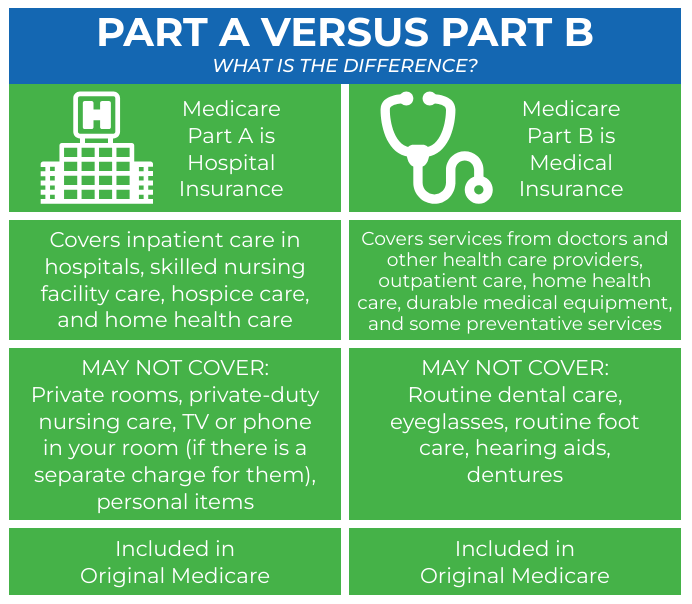
Not all Medicare Advantage plans include Part D prescription coverage. If yours doesn’t, check whether it allows a separate Part D plan, since most HMO and PPO plans don’t.
You’ll find a coverage overview in the Summary of Benefits and the full terms, including limits and exclusions, in the Evidence of Coverage.
How Much Does Medicare Advantage Cost?
Medicare Advantage costs vary by plan, but you generally pay your Part B premium plus any premium your insurer charges. The standard Part B premium is $202.90 per month, though higher earners pay more. Learn More: Medicare Costs
Other costs may include:
- Coinsurance: Your percentage of covered costs.
- Copays: Fixed charges for visits, treatments, or prescriptions.
- Deductibles: What you pay before certain benefits start paying.
These charges differ between plans. Compare what you would pay for your regular appointments and medications, along with potential hospital care.
Medicare Costs by Plan Type| Plan | Rate/mo | Deductible | MOOP |
|---|---|---|---|
| Medigap | Varies by plan | $0 or $2.95K | K: $8.36K; L: $4.18K |
| Part A | $0, $311, or $565 | $1,736 | NA |
| Part B | $202.90 | $283 | NA |
| Part C | Varies by plan | Varies by plan | Varies by plan |
| Part D | $36 | $0-$615 | $2.1K |
Provider choice can also affect your bill. If your coverage allows routine out-of-network care, it usually costs more than using participating providers.
Medicare Advantage limits your annual spending on covered Part A and Part B services. Check the out-of-pocket maximum alongside the premium to understand your potential costs in a year when you need more care.
Ask whether hospital copays apply per day or per stay, and how many days you’d owe them. That detail can make a big difference during a longer admission.
Schimri Yoyo Licensed Agent & Financial Advisor
Premiums and Part D prescription costs don’t count toward that medical spending limit. Drug coverage has separate cost-sharing rules, so include your medications when comparing total expenses.
Medicare Advantage vs. Original Medicare
Both cover Parts A and B. Medicare Advantage uses private insurers with different costs and care rules. Compare Them: Medicare Advantage vs. Original Medicare
- Costs: With Advantage, your share of covered Part A and B costs has an annual ceiling. Original Medicare offers no ceiling, but supplemental insurance can lower your expenses.
- Doctor Choice: With Original Medicare, you can use providers who accept Medicare nationwide. Advantage generally uses a network, with outside coverage depending on the plan.
- Drug Coverage: Some Advantage plans include Part D. Original Medicare generally needs separate Part D coverage for outpatient prescriptions.
- Referrals and Approvals: Advantage plans may require referrals and approvals. Original Medicare generally lets you see specialists without referrals and rarely requires treatment approval.
Check your doctors’ participation, especially if you get care in several locations. The cheaper choice depends on premiums, prescriptions, and the medical care you expect to need.
Medicare Advantage and Medigap Compared
Medicare Advantage offers Parts A and B benefits. Medigap helps pay your share of Original Medicare costs and can’t be used with Advantage.
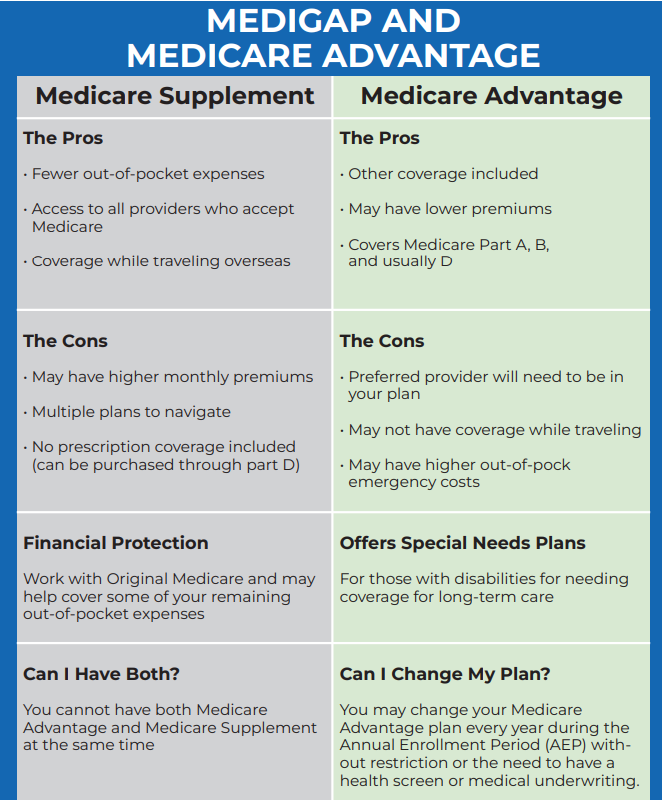
Medigap adds a monthly premium to your Part B costs. You’ll generally need separate Part D coverage because new policies don’t cover prescriptions.
If you get care in several states, Original Medicare with Medigap generally gives you more choice of doctors.
Get a Free Medicare Plan Review
Speak With a Licensed Insurance Agent Today
Types of Medicare Advantage Plans
Medicare Advantage options include HMOs, PPOs, Private Fee-for-Service plans, Special Needs Plans, and Medical Savings Account plans. Availability depends on where you live.
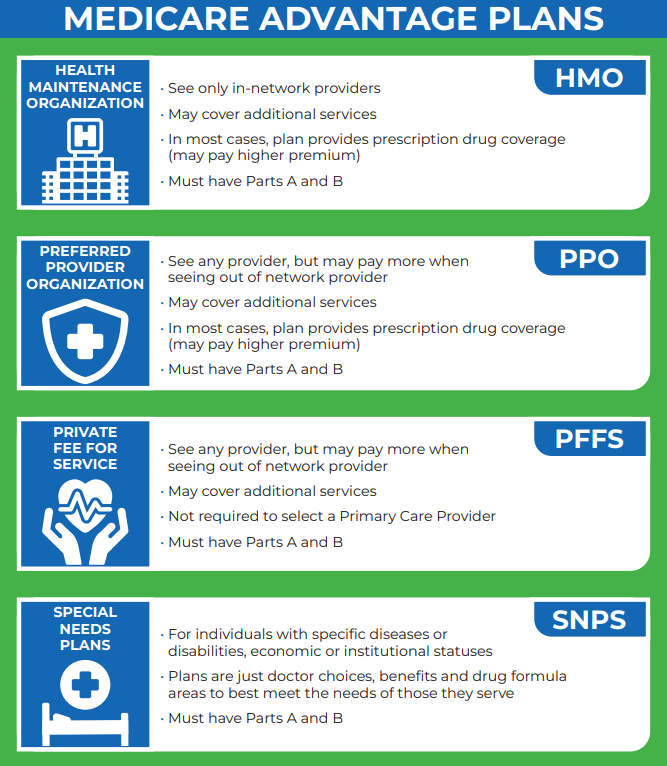
The main differences are which doctors you can see, whether you need specialist referrals, and how you pay for care.
Health Maintenance Organization (HMO)
HMOs usually require you to use network providers and get referrals to see specialists. You don’t need referrals for emergency care, urgent care outside your area, or temporary dialysis outside your area.
With an HMO, you can’t visit just any hospital or doctor. Make sure your doctors and preferred hospital are in the plan’s network.
Some HMO Point-of-Service plans let you get certain out-of-network services, but you’ll pay more.
Medical Savings Account (MSA)
MSAs combine a high deductible health plan with a savings account funded by the insurer. You use the funds in the account to pay for your covered care. Once you’ve used up the funds in the account, you then pay for your covered care out of pocket until you meet your deductible.
These plans don’t include Part D, so you’ll need separate Part D coverage for your outpatient prescriptions.
Preferred Provider Organization (PPO)
PPOs cover eligible care inside and outside their networks, usually without specialist referrals. You also don’t need to choose a primary care doctor.
You usually pay more to use out-of-network physicians with a PPO. Costs vary by plan and the care you receive.
Check your PPO’s combined out-of-pocket limit if you plan to use out-of-network care. It caps your yearly costs for covered Part A and Part B services across both networks.
Daniel S. Young Managing Editor
Some Medicare Advantage PPOs may include prescription drug coverage. If yours doesn’t, you can’t add a separate Part D plan.
Before booking outside the network, confirm the provider will treat you. Check with your plan that the service is covered and what you’ll owe.
Private Fee-for-Service (PFFS)
PFFS plans set what they pay providers and what you owe. With PFFS, a Medicare-approved provider must agree to treat you under the plan’s payment terms. Check before receiving care.
If prescription coverage isn’t included, you can join a separate Part D plan.
Special Needs Plans (SNPs)
SNPs serve people with Medicare and Medicaid, certain severe or disabling chronic conditions, or institutional-level care needs. Eligibility depends on the type of SNP.
These plans use an HMO or PPO structure, which determines their network and referral rules.
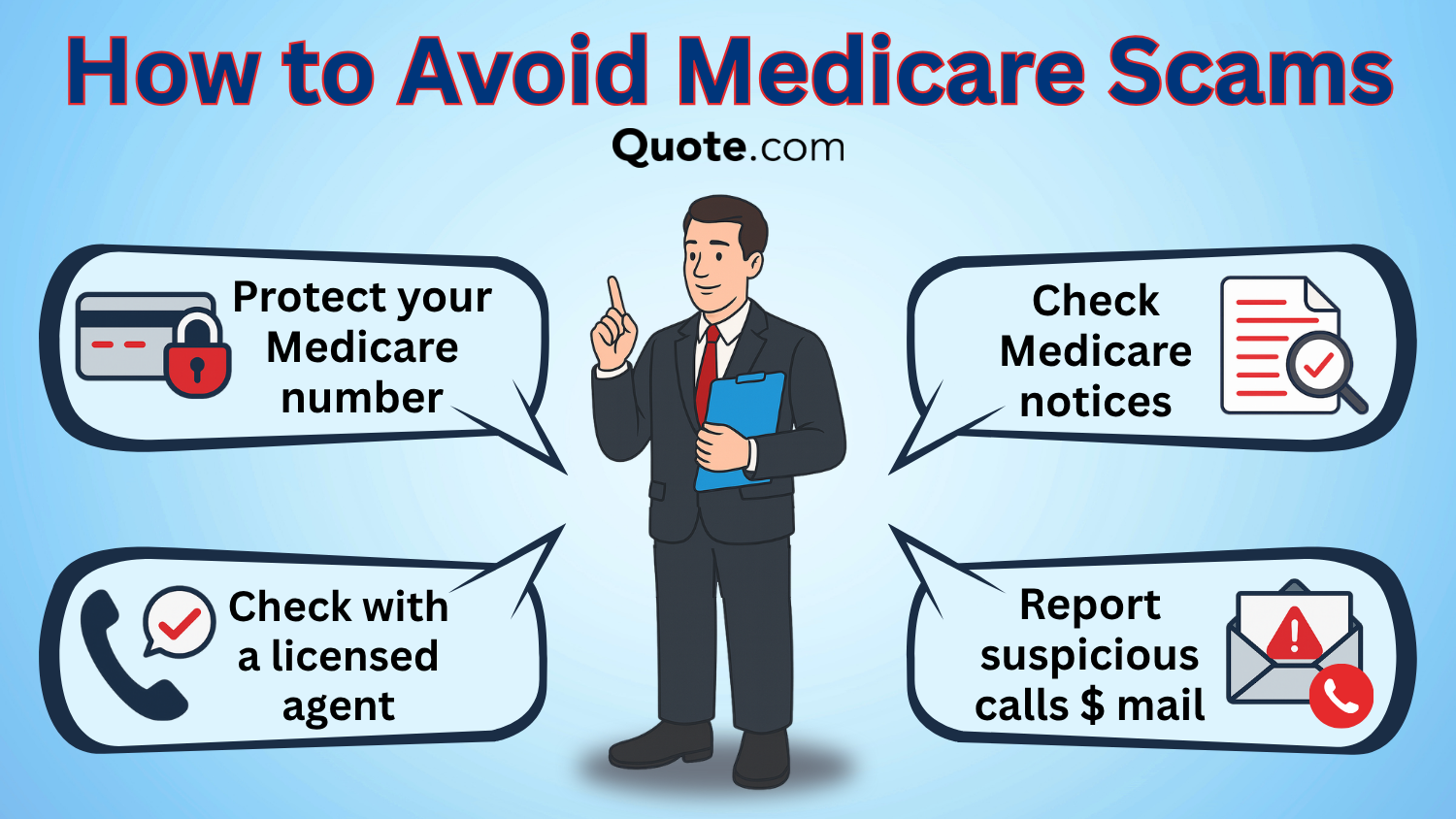
Medicare Advantage scams often target people during enrollment, so never share your Medicare or Social Security number in response to unsolicited calls, emails, or mailers.
Always confirm you’re working with a licensed insurance agent or official government source, and report any unexpected offers promising Medicare Advantage benefits or faster enrollment.
How to Enroll in Medicare Advantage
You can enroll in a Medicare Advantage plan via Medicare.gov or directly with the insurer during an eligible enrollment period. You must have both Part A and Part B and live in the plan’s service area.
- See if You Qualify: Confirm you have Parts A and B and can enroll now.
- Compare Options: Check doctor networks, prescription coverage, and total costs.
- Apply for Coverage: Enroll through Medicare.gov or the insurer using your Medicare number and Parts A and B start dates.
Your initial enrollment window usually spans seven months around your 65th birthday. Earlier eligibility or delayed Part B enrollment can change the timing.

You can also sign up between October 15 and December 7, and your coverage will start on January 1. If you move out of your current service area or have other special situations, you might qualify for a Special Enrollment Period.
From January 1 to March 31, there’s an Open Enrollment Period for people already in a Medicare Advantage plan. During this time, you can usually switch to another Advantage plan or go back to Original Medicare and add Part D if you want.
Is Medicare Advantage Right for You?
Medicare Advantage may fit your needs if your doctors participate, your prescriptions are covered, and you’re comfortable with the rules for getting care. Compare total costs, including premiums and what you’d pay for visits, medications, or a hospital stay.
If you travel often or want more provider choice, also consider Original Medicare with Medigap. The better fit depends on where you get care and what you can afford.
If Medicare costs strain your budget, Medicare Savings Programs may help pay your Part B premium and, depending on the program, other Medicare costs.
Call (855) 634-0435 to discuss your options with a licensed insurance agent, or enter your ZIP code in our free comparison tool to compare Medicare Advantage plans near you.

Frequently Asked Questions
What is Medicare Advantage, and how does it work?
Medicare Advantage is sometimes called Medicare Part C because it includes all parts of Original Medicare and often offers benefits like dental, vision, and prescription drug coverage.
What is the difference between regular Medicare and Medicare Advantage?
Original Medicare only covers hospital and medical costs. Medicare Advantage combines Parts A and B, usually with drug coverage, but covered services and out-of-pocket costs vary by plan. Compare Medicare Advantage vs. Original Medicare to learn more.
What is the downside of Medicare Advantage?
Some Medicare Advantage plans have higher monthly premiums, which you must pay along with your Part B premiums.
Do I still pay Medicare premiums with an Advantage plan?
Yes, you are still responsible for paying your Medicare Part B premiums with an Advantage plan. Compare how much Medicare costs by plan.
Can I drop my Medicare Advantage plan and go back to Original Medicare?
Yes. You can switch back to Original Medicare during an eligible enrollment period. Some first-time Medicare Advantage enrollees also have a 12-month trial right to switch back.
Can you switch back and forth between Original Medicare and Medicare Advantage?
You can switch between Original Medicare and Medicare Advantage during Annual Enrollment or a Special Enrollment Period if you qualify. On This Topic: How to Sign up for Medicare
What is the monthly cost for Medicare Advantage?
Medicare Advantage premiums vary by state and plan. Call (855) 634-0435 now to connect with a licensed insurance agent, or enter your ZIP code to see how much Medicare Advantage costs near you.
Which is cheaper: Medigap or Medicare Advantage?
Neither option is always cheaper. Compare Advantage premiums and out-of-pocket costs with Original Medicare plus Medigap and any Part D premium. Consider your health care needs and access to providers.
Can you use Medigap with Medicare Advantage?
No. Medigap can’t pay Advantage costs, but you can buy it when switching to Original Medicare.
Why do doctors not like Medicare Advantage plans?
Many physicians are frustrated by the referrals and red tape medical staff must go through to get patients the care they need, especially when the needed service is out-of-network.
Get a FREE Quote in Minutes
Insurance rates change constantly — we help you stay ahead by making it easy to compare top options and save.