Permanent Life Insurance: Costs, Benefits & How it Works (2026)
Permanent life insurance covers you for life with a guaranteed death benefit and cash value that grows over time, starting at just $72 per month. You can also borrow against or withdraw from the cash value, or use it to supplement retirement income, with tax-deferred growth benefits.
Read more




Table of Contents
Table of Contents

Head of Content
Meggan McCain, Head of Content, has been a professional writer and editor for over a decade. She leads the in-house content team at Quote.com. With three years dedicated to the insurance industry, Meggan combines her editorial expertise and passion for writing to help readers better understand complex insurance topics. As a content team manager, Meggan sets the tone for excellence by guiding co...
Meggan McCain

Senior Director of Content
Sara Routhier, Senior Director of Content, has professional experience as an educator, SEO specialist, and content marketer. She has over 10 years of experience in the insurance industry. As a researcher, data nerd, writer, and editor, she strives to curate educational, enlightening articles that provide you with the must-know facts and best-kept secrets within the overwhelming world of insurance....
Sara Routhier

Commercial Lines Coverage Specialist
Michael Vereecke is the president of Customers First Insurance Group. He has been a licensed insurance agent for over 13 years. He also carries a Commercial Lines Coverage Specialist (CLCS) Designation, providing him the expertise to spot holes in businesses’ coverage. Since 2009, he has worked with many insurance providers, giving him unique insight into the insurance market, differences in ...
Michael Vereecke
Updated April 2026
Permanent life insurance is a type of life insurance that provides lifetime coverage as long as you pay your premiums.
- Permanent life insurance includes whole life and universal life policies
- It’s the only type of life insurance that includes a cash value component
- Whole life is more expensive than term life, starting at $110 per month
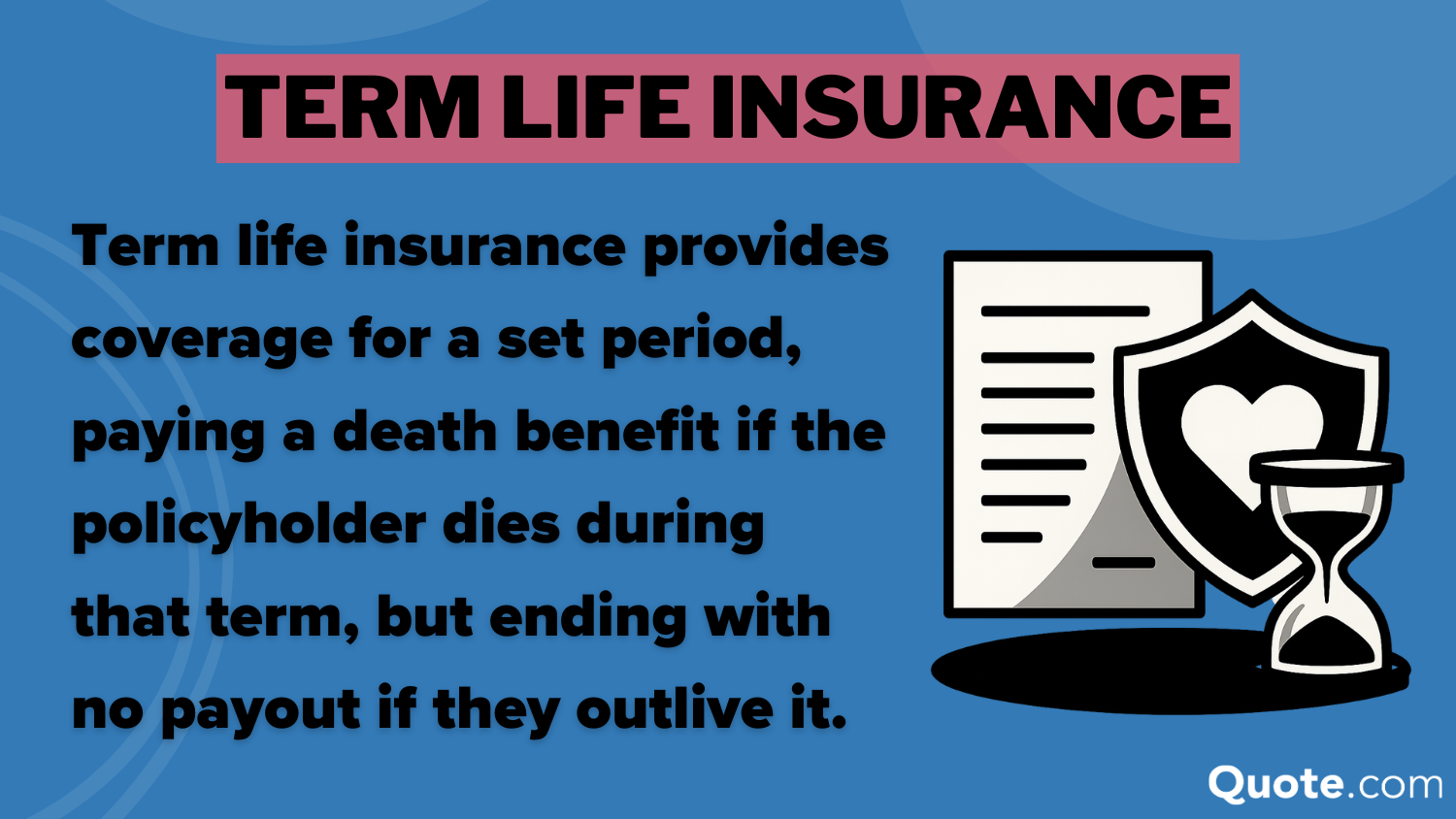
Unlike term life insurance, which expires after a set period, permanent policies are designed to last your entire life and include a built-in savings component called cash value.
Permanent life insurance offers lifelong protection and builds cash value over time. The main types are whole, universal, indexed universal, and variable universal life. Keep reading to compare permanent life insurance benefits or enter your ZIP code for free lifetime life insurance quotes.
What is Permanent Life Insurance?
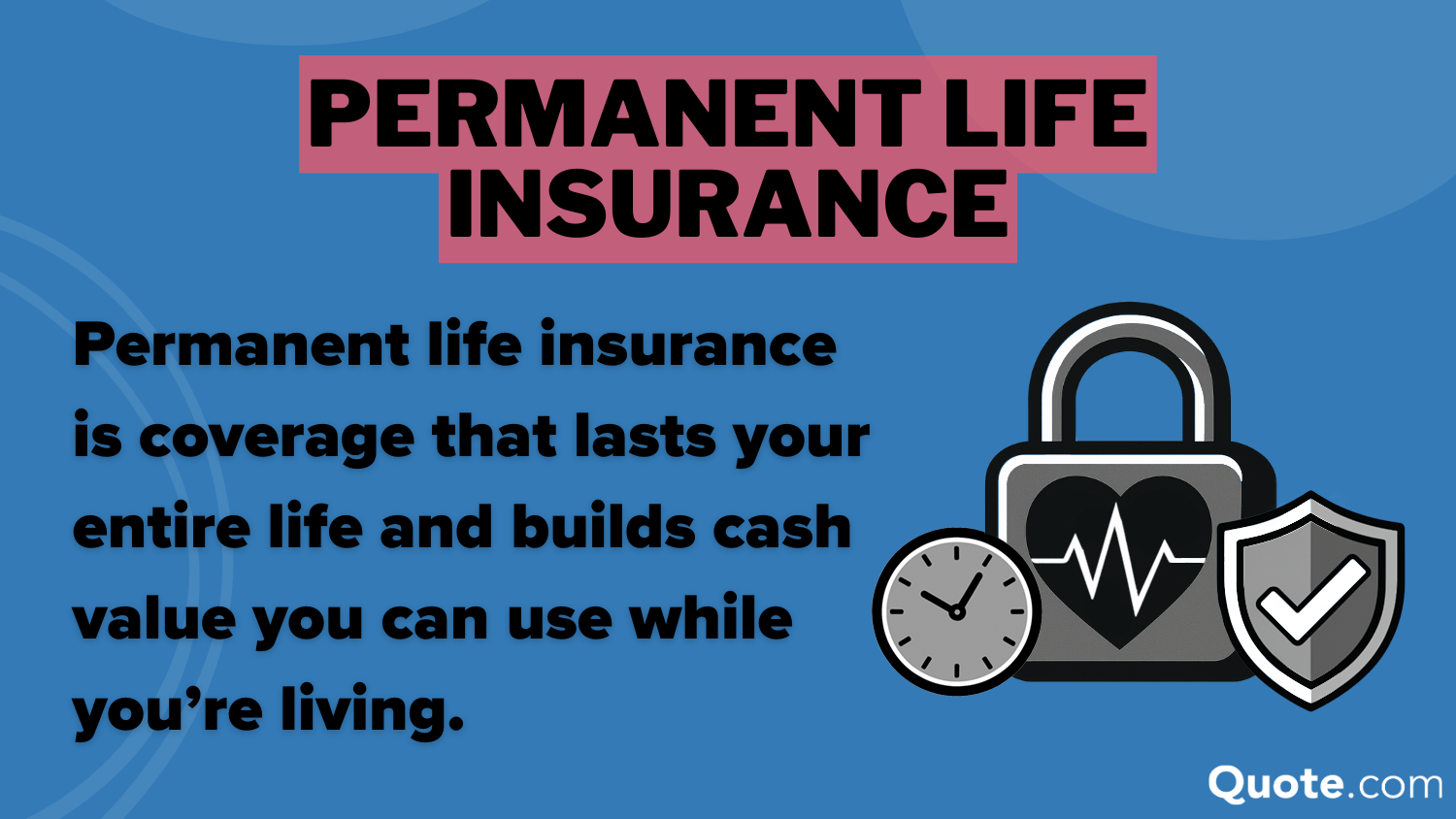
A simple permanent life insurance definition is a type of policy that lasts your entire life as long as you keep paying premiums. It pays a guaranteed death benefit to your beneficiaries when you pass away and also builds cash value over time.
There are several types of permanent life insurance, including whole, universal, and variable policies. Each works a bit differently, but they all offer lifelong coverage and a cash value component.
You can pay premiums on a fixed or flexible schedule, depending on the policy. Some policies also let you adjust how and when you pay, which can help if your financial situation changes.
As your policy builds cash value, you can access that money while you’re still alive. Many policies allow you to take loans or make withdrawals from the cash value, giving you more flexibility than term life insurance.
Permanent life insurance usually costs more than term life insurance because it lasts your entire life and builds cash value.
Brad Larson Licensed Insurance Agent
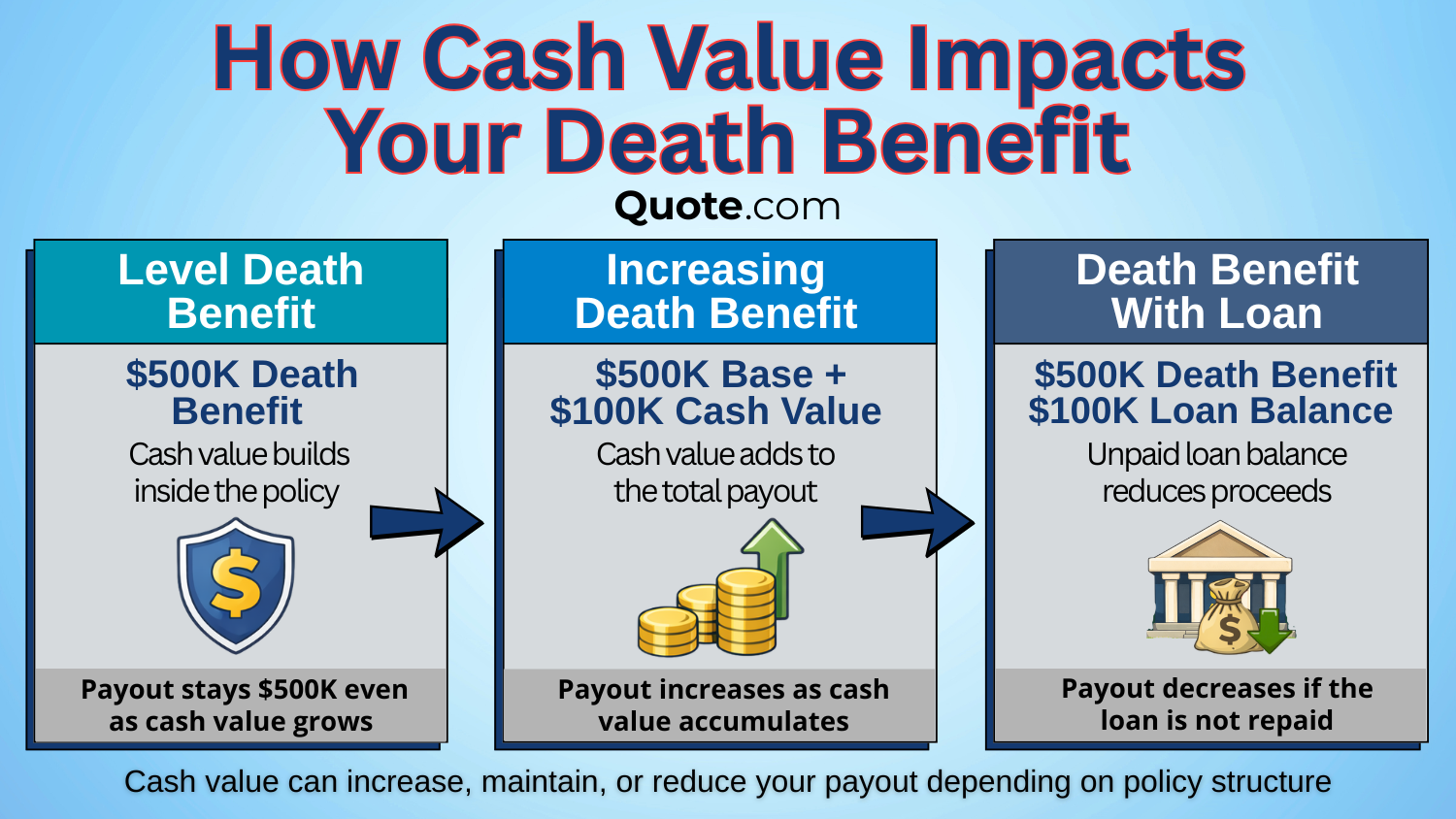
Some also let you increase or decrease the death benefit over time, depending on your needs. Keep in mind that loans or withdrawals can reduce your death benefit if they’re not repaid.
As long as your permanent life policy remains active, your coverage continues for life. You can compare quotes from the best life insurance companies to find affordable permanent life insurance near you.
How Cash Value Works in Permanent Life Insurance
Cash value is one of the main features that separates permanent life insurance from term life insurance. Part of each premium you pay builds cash value, which grows over time.
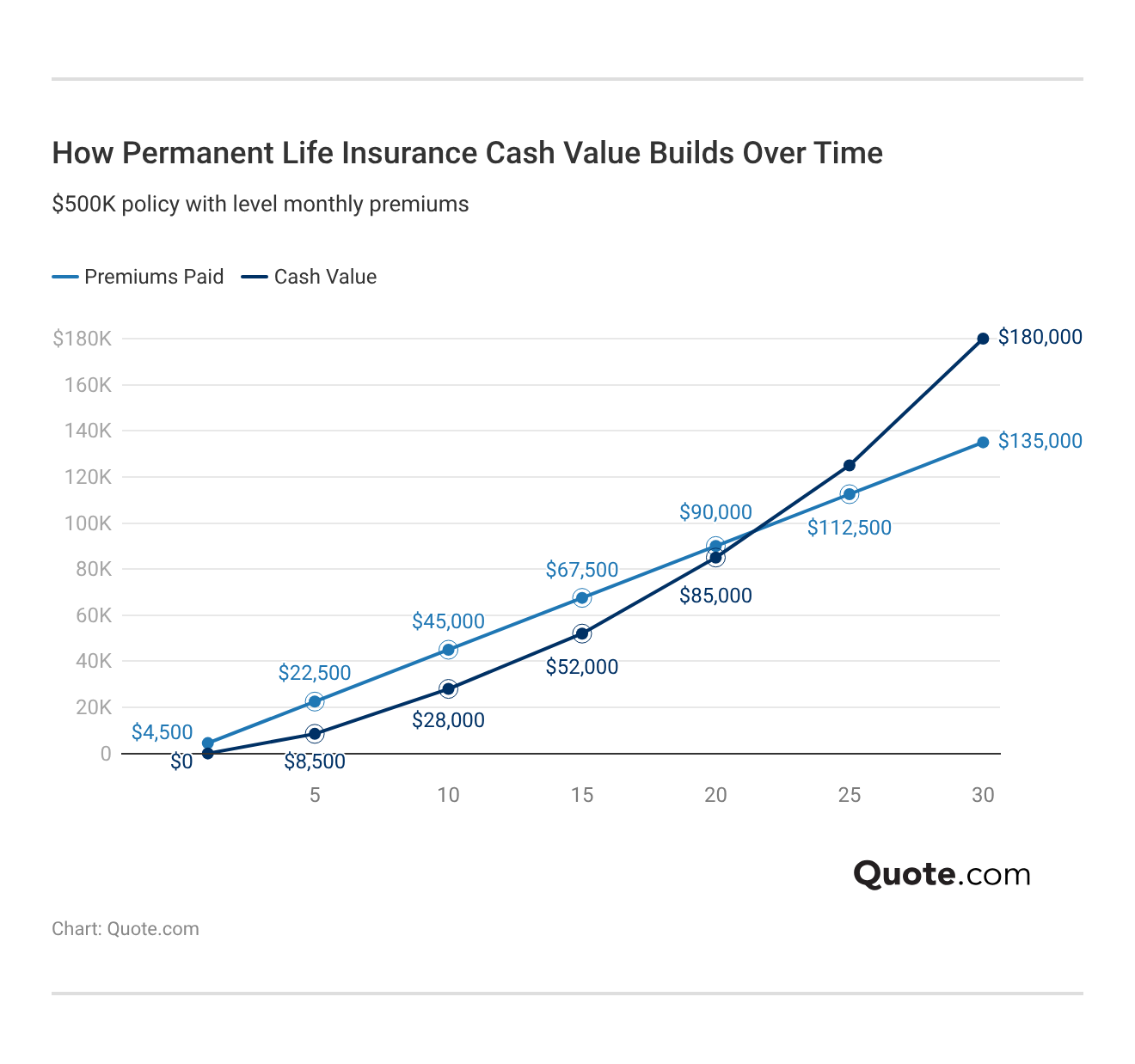
In the early years, most of your premium goes toward fees and the cost of insurance, so permanent life insurance with cash value grows slowly at first.
This slower start is normal, as permanent policies are designed to provide lifelong coverage while gradually building value. Over time, a larger portion of each payment goes toward your policy’s cash value, allowing it to grow more steadily.
As a result, the longer you keep the policy in force, the more noticeable that growth becomes.
How that growth works depends on the policy:
- Whole life insurance offers guaranteed growth
- Universal life insurance earns interest and allows some flexibility
- Indexed or variable life insurance ties growth to market performance
Early growth tends to be slower due to fees and policy structure, but it picks up as the policy matures.
Cash Value Life Insurance Coverage Breakdown| Feature | What it Means |
|---|---|
| Cash Value | Savings that grow through interest or investments |
| Coverage Length | Policy stays active if payments continue regularly |
| Death Benefit | Payout to beneficiaries when the insured dies |
| Loan Options | Ability to borrow against cash value at low rates |
| Policy Dividends | Extra earnings credited when the insurer performs well |
| Premium Cost | Regular payments that fund protection and savings |
| Surrender Value | Amount received if you cancel early and exit |
| Tax Benefits | Growth may be deferred; payouts often avoid levies |
You can use cash value for loans, withdrawals for retirement income, or covering premiums later in life. Any access reduces the death benefit and may change long-term results, so it’s important to understand your policy before withdrawing funds.
Start comparing quotes for permanent life insurance today to find a policy that fits your long-term financial goals and coverage needs.
Free Life Insurance Comparison
Compare Quotes From Top Companies and Save
Cost of Permanent Life Insurance Coverage
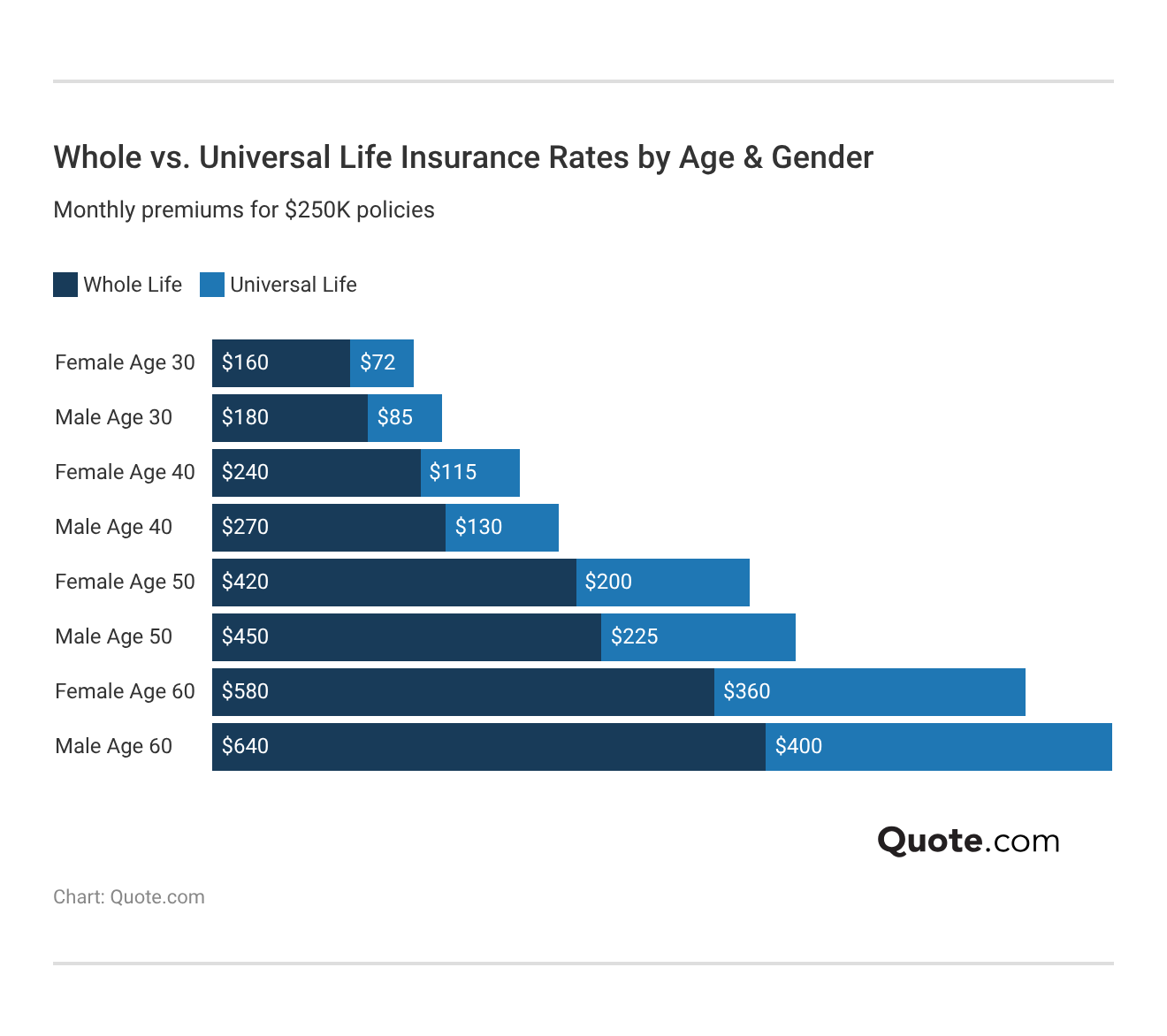
Permanent life insurance comes with higher premiums than term since it lasts your entire life and includes cash value. Your permanent life insurance policy cost will still depend on factors like the policy type, age, and gender.
Comparing different types of life insurance and permanent whole life quotes helps you understand how pricing changes and which options cost more long term.
How Age and Gender Impact Life Insurance Rates
Age is one of the biggest factors in how life insurance is priced. Your health, lifestyle, and tobacco use also play a major role in the rates you’re offered.
The younger you are when you buy, the lower your life insurance cost will be for the life of the policy. As you get older, premiums go up, especially for permanent policies like whole and universal life.
If you wait until later in life, you may face higher costs or limited coverage options, especially if your health has changed.
Gender also affects rates. Women usually pay less because they tend to live longer. Even so, the price differences between policy types are generally similar for both men and women.
How Permanent Life Insurance Rates Compare to Term Life
Permanent life rates are higher than term because it provides lifelong coverage and builds cash value. Term policies last for a set period and don’t include a savings component, which keeps premiums much lower.
For the same coverage amount, whole life insurance can cost several times as much as term insurance. Universal life usually starts out cheaper than whole life, but it still costs more than term in most cases.
Term vs. Whole Life Insurance Monthly Rates by Age & Gender| Age & Gender | 20-Year Term | Whole Life |
|---|---|---|
| 20-Year-Old Female | $13 | $110 |
| 20-Year-Old Male | $16 | $130 |
| 30-Year-Old Female | $18 | $145 |
| 30-Year-Old Male | $22 | $160 |
| 40-Year-Old Female | $30 | $220 |
| 40-Year-Old Male | $38 | $250 |
| 50-Year-Old Female | $55 | $350 |
| 50-Year-Old Male | $67 | $395 |
| 60-Year-Old Female | $105 | $520 |
| 60-Year-Old Male | $120 | $590 |
| 70-Year-Old Female | $170 | $750 |
| 70-Year-Old Male | $195 | $830 |
The price gap is smaller when you’re younger and widens over time. As you age, permanent life insurance becomes more expensive at a faster rate due to longer coverage and built-in guarantees.
Term life is often the most affordable option but eventually expires. Permanent policies stay in force for life, a key reason they cost more. Learn More: How Much Life Insurance You Need
How Life Insurance Companies Set Their Rates
The best life insurance companies set rates based on risk and long-term cost projections. All permanent life insurance companies have their own underwriting guidelines, so prices can vary even for the same applicant.
Your personal profile plays a big role. Insurers review your age, health history, lifestyle habits, and tobacco use to assess risk and determine your premium.
Universal vs. Whole Life Insurance Monthly Rates| Insurance Company | Universal Life | Whole Life |
|---|---|---|
 | $280 | $560 |
 | $270 | $540 |
 | $260 | $520 |
 | $290 | $580 |
 | $250 | $500 |
 | $275 | $550 |
 | $310 | $620 |
 | $270 | $540 |
 | $240 | $480 |
 | $280 | $560 |
Since every company uses a different pricing model, quotes can vary for similar coverage.
Enter your ZIP code to compare permanent whole life insurance quotes today and find a more competitive rate for the policy you want.
Types of Permanent Life Insurance Policies
Permanent life insurance stands apart from term policies because it not only provides lifelong coverage but also builds cash value over time.
Universal, indexed, and variable life insurance are the only types that combine a death benefit with a savings or investment component.
Cash Value Life Insurance Policy Comparison| Policy | Growth | Risk | Guarantees | Best for |
|---|---|---|---|---|
| Indexed UL | Index credited | Moderate | 0% floor | Balanced growth |
| Universal Life | Fixed interest | Moderate | Interest floor | Payment flexibility |
| Variable Life | Market invested | High | Limited guarantees | Aggressive growth |
| Whole Life | Guaranteed value | Low | Guaranteed values | Long-term certainty |
Each policy type offers a different level of flexibility and risk, with universal life allowing adjustable premiums, indexed life tying growth to a market index, and variable life offering direct investment options.
Working with a financial advisor can help you determine which permanent life insurance types match your goals. Read More: How Much Life Insurance You Need
Whole Life Insurance
Whole life insurance is a permanent policy that pays a guaranteed death benefit as long as you keep up with the required premiums. Premiums are usually fixed and won’t go up as you age or if your health changes.
Part of each payment builds cash value. This amount grows at a guaranteed minimum rate and may earn dividends, depending on the insurer.
You can access the cash value through loans or withdrawals, but doing so can reduce the death benefit and may include interest charges.
Whole life insurance costs more than term life, but it provides lifetime coverage and includes a steady, low-risk savings component backed by the insurer’s financial strength.
Start your permanent whole life quote comparison using our free tool today.
Universal Life Insurance (UL)
Universal life insurance (UL) is a type of permanent life insurance with flexible premiums and an adjustable death benefit. You can raise or lower your coverage or payments over time, as long as the policy has enough funding to stay active.
Part of each premium is allocated to cash value, which earns interest at rates set by the insurer. These rates usually include a guaranteed minimum but can change over time. As you get older, insurance costs increase and are deducted from the policy’s cash value.
If the policy doesn’t have enough funding or the cash value runs out, it can lapse. Loans or withdrawals may also reduce the death benefit and affect the policy’s performance.
Keeping an eye on your policy’s value can help you avoid a lapse. You may need to increase your payments if costs rise over time.
Indexed Universal Life (IUL)
Indexed universal life (IUL) has a cash value tied to a stock market index you choose. It includes downside protection, so your policy won’t lose value when the market drops.
Your money isn’t directly invested in the market. The insurer credits interest based on index performance.
Returns are usually limited by caps, participation rates, or spreads set by the insurer, which can reduce how much of the index’s gains you receive.
Dani Best Licensed Insurance Producer
Policy fees and insurance costs can still reduce your cash value, even in years with little or no credited interest.
These policies can be complex and may need ongoing monitoring to stay properly funded over time.
Variable Life Insurance (VLI)
Variable life insurance allows policyholders to invest in sub-accounts similar to mutual funds, and the cash value and death benefit fluctuate with investment performance.
You can lose cash value, including your original contributions, depending on market performance.
If the cash value declines significantly, you may need to increase premiums to keep the policy active.
These policies carry a higher risk, so they’re best for experienced investors looking to complement an existing life insurance policy or 401(k). Learn More: Top 20 Reasons to Buy Life Insurance
Permanent Life Insurance vs. Term Life Insurance
The main difference between term life insurance vs. permanent life insurance is how long the coverage lasts and whether the policy includes a cash value component.
Term life insurance is usually better for those who want affordable coverage for a specific period, such as while paying off a mortgage or raising children.
Compare Permanent vs. Term Life Insurance Coverage| Feature | Permanent | Term |
|---|---|---|
| Cash Value | Builds cash value | No cash value |
| Cost | Higher monthly cost | Lower monthly cost |
| Coverage Length | Lifelong coverage | Fixed term length |
| Death Benefit | Guaranteed for life | Ends after term |
| Estate Planning | Strong planning tool | Limited planning use |
| Flexibility | Flexible premiums | Simple fixed structure |
| Policy Loans | Allows policy loans | No loan access |
Term policies do not build cash value, so it won’t provide a savings or investment component if the policy expires.
Some policies allow you to convert term life insurance to permanent coverage later without a new medical exam, which can be valuable if your health changes.
Permanent life insurance plans, on the other hand, are ideal for those who want lifelong coverage, are planning their estate, or want to build savings alongside protection. Important Details: Whole vs. Term Life Insurance
Before choosing a policy, use our permanent life insurance calculator to compare quotes from multiple providers to find the right balance of cost, coverage, and long-term benefits.
Free Life Insurance Comparison
Compare Quotes From Top Companies and Save
Permanent Life Insurance Pros and Cons
Pros:
- Coverage lasts your entire life
- Builds tax-deferred savings
- Can supplement retirement income via loans or withdrawals
- May be used for estate planning or wealth transfer
Cons:
- Significantly more expensive than term life
- Can be complex to understand and manage
- Early cash value growth may be slow
- Fees and surrender charges can apply if canceled early
Who Should Consider Permanent Life Insurance?
Some key features of permanent life insurance include its lifelong coverage and growing cash value.
Permanent life insurance is often used for long-term planning, including wealth transfer and ongoing financial support.
When Permanent Life Insurance Is Worth the Cost| Situation | Duration | Best Type | Reason |
|---|---|---|---|
| Business Succession | Ongoing | Permanent | Long-term funding |
| Budget Coverage | Short-term | Term | Lowest cost |
| Estate Planning | Long-term | Permanent | Wealth transfer |
| Lifetime Dependents | Lifelong | Permanent | Coverage for life |
| Mortgage Protection | Short-term | Term | Ends with debt |
One or more of the four types of permanent life may be a good fit if you:
- Want to leave a guaranteed inheritance to beneficiaries
- Have long-term financial dependents, such as a child with special needs
- Need life insurance as part of an estate or business succession plan
- Are looking for tax-deferred savings in addition to death benefit protection
- Can afford the higher premiums and want lifetime coverage
It’s not the right fit for everyone, but it can be a powerful tool if you need life insurance for your lifetime, want to build tax-deferred wealth, or have specific estate planning goals.
We make it easy to compare permanent life insurance quotes and explore the policy types that work best for your needs. Use our free comparison tool and start your search today for the best permanent life insurance quotes online.
Frequently Asked Questions
How does permanent life insurance work?
Permanent life insurance offers lifelong coverage and builds cash value over time on a tax-deferred basis. Part of your premium pays for the insurance, while the rest goes into the policy’s cash value. You can borrow against that cash value or withdraw from it.
What are the 4 types of permanent life insurance?
The four main types of permanent life insurance are whole life, universal life, variable life, and indexed universal life. Each permanent life insurance policy with cash value offers lifelong coverage, but they differ in premiums, growth, and investment options.
If you want to explore your options, enter your ZIP code in our free permanent life insurance quote tool to get started.
Is permanent life insurance the same as whole life insurance?
Permanent life insurance isn’t the same as whole life. When comparing permanent life insurance vs. whole life, it’s important to know that whole life is just one type of permanent coverage. Permanent policies include several types, while whole life offers fixed premiums and guaranteed cash value growth.
Can I convert my term life insurance to a permanent policy?
Yes, many term life insurance policies let you convert to permanent life insurance without a medical exam, but only within a set time frame. Check your policy for conversion rules and deadlines to confirm eligibility.
What is the permanent life insurance cost per month?
The average cost of permanent life insurance is typically around $200-$300 per month for universal life and $250-$350 per month for whole life. While some policies may start lower, your actual permanent life insurance cost per month will vary based on age, health, and coverage amount. See More: Average Cost of Life Insurance
Who has the cheapest permanent life insurance?
Protective Life has the cheapest permanent life insurance coverage, starting at just $240 a month.
Why is permanent life insurance so expensive?
Permanent life insurance costs more because it provides lifelong coverage and builds cash value over time. Your premium pays for both the insurance and a tax-deferred savings component.
Enter your ZIP code to start your free permanent life insurance policy quote comparison now.
Is permanent life insurance worth it?
Permanent life insurance can be worth it if you want lifelong coverage and a policy that builds cash value over time. It may not be the best fit if you only need lower-cost coverage for a set period.
Is permanent life insurance for seniors worth it?
Permanent life insurance for seniors may be worth it if you want coverage that lasts your entire life or need help covering final expenses. It can also help if you plan to leave a guaranteed payout to loved ones.
The best life insurance for seniors depends on your health, budget, and goals. Whole life offers steady premiums and predictable coverage, while guaranteed issue policies can be a good option if you want simpler approval.
What are the pros and cons of permanent life insurance?
Permanent life insurance offers lifelong coverage and builds cash value over time, making it both a protection tool and a long-term financial asset. The benefits of permanent life insurance include guaranteed death benefits, potential cash value growth, and the ability to borrow against the policy.
However, it typically comes with higher premiums than term life insurance and can be more complex to understand and manage.
What is the downside of permanent life insurance?
What happens to the cash value when I die?
Is permanent life insurance taxable?
Who offers permanent life insurance?
How do I get permanent life insurance?
Related Articles
-
Jan 2026

Average Cost of Life Insurance in 2026
-
Oct 2025
Best Instant Life Insurance in 2026
-
Jun 2026
Life Insurance Annuities (2026 Guide)
-
Apr 2026
10 Best Life Insurance Companies in 2026
-
Sep 2025
Mutual of Omaha Life Insurance Review for 2026
-
Jan 2026
Term Life Insurance 2026 Guide




Get a FREE Quote in Minutes
Insurance rates change constantly — we help you stay ahead by making it easy to compare top options and save.