Best Home Insurance for Seniors in 2026: Top Low-Cost Plans
Amica, Chubb, and Erie Insurance offer the best home insurance for seniors, with rates starting at $90 per month for $150K in dwelling coverage. Seniors may also save on home insurance through The Hartford’s AARP benefits or State Farm’s claims-free discount of up to 24%, which rewards homeowners who have not filed recent claims.
Read more





Save Money by Comparing Insurance Quotes
Compare Free Home Insurance Quotes Instantly




Table of Contents
Table of Contents

Insurance Content Creator
Lia Vergin develops both video and written content across all lines of insurance, with a primary focus on auto, home, and life coverage. She is dedicated to helping consumers better understand and navigate their insurance options. Driven by a passion for saving money and finding great deals, she is committed to creating clear, engaging, and practical content that empowers readers to make confident...
Lia Vergin

Managing Editor
Aleksandra J. Churlinov holds a Bachelor of Arts in English Language and Literature and a Master of Science in Marketing Management. Over the past six years, Aleks has focused on the insurance sector, working on a range of content, including business, auto, and life insurance. In April 2025, she stepped into the role of Managing Editor, where she now leads a team of talented insurance writers. ...
Aleksandra J. Churlinov

Principal Broker
William Lemmon has been a licensed insurance agent for over 12 years. He is the principal broker and owner of Broadway Insurance Services in Los Angeles, CA. He works one-on-one with clients to create personalized plans that minimize risk and maximize savings. Being one of the foremost authorities on Airbnb and home-sharing property insurance, Lemmon offers his clients first-hand guidance on how t...
William Lemmon
Updated April 2026
The providers with the best home insurance for seniors are Amica, Chubb, and Erie. These companies have strong claims scores and stable pricing.
- Amica has the top home insurance claims score: 705/1,000
- Claims-free seniors may save up to 24% on home insurance
- A $5,000 home deductible can cut premiums by about $70/mo
Erie is notable for offering $90 monthly rates for $150K in dwelling coverage. The Hartford and AAA also keep premiums under $100 a month for seniors.
Chubb is a good choice for high-value homes, and Amica gives dividends back to its policyholders.
Top 10 Companies: Best Home Insurance for Seniors| Company | Rank | Claim Satisfaction | A.M. Best | Best for |
|---|---|---|---|---|
 | #1 | 705 / 1,000 | A+ | Customer Care |
 | #2 | 677 / 1,000 | A++ | Premium Homes |
 | #3 | 676 / 1,000 | A+ | Regional Service |
 | #4 | 657 / 1,000 | A+ | Agent Support |
 | #5 | 647 / 1,000 | A+ | AARP Benefits |
 | #6 | 641 / 1,000 | A+ | Bundle Discount |
 | #7 | 633 / 1,000 | A+ | Policy Add-ons |
 | #8 | 620 / 1,000 | A | Tailored Plan |
 | #9 | 617 / 1,000 | A | Club Benefits |
 | #10 | 608 / 1,000 | A++ | Flexible Policies |
Seniors can also save more by increasing their deductible from $500 to $5,000. With companies like Erie, this change can lower monthly rates by more than $70.
Shop the best and cheapest home insurance for seniors by entering your ZIP code into our free quote comparison tool to find lower premiums today.
Comparing Home Insurance Costs for Seniors
When seniors compare home insurance costs, factors like where they live, their credit score, and the amount of coverage can change their monthly premiums by $50 to $150.
Getting quotes from several companies can help seniors find ways to save. Some providers offer rates as low as $90 per month for senior homeowners insurance.

Several risk factors can add up, so even one small issue might make another worse and increase your premiums by $50 to $150 each month.
If seniors take steps like maintaining their property and avoiding frequent claims, they can help keep their insurance costs steady over time.
Explore more details in our guide: Cheap Auto Insurance for Seniors
How Coverage Amount Affects Homeowners Premiums for Seniors
Homeowners in their 60s often notice larger differences in home insurance rates when they compare mid- and high-dwelling limit rates side by side.
Some companies, like Liberty Mutual, offer basic protection for under $110 a month, which can be a good option for smaller or older homes.
Home Insurance Monthly Rates for Seniors by Dwelling Coverage| Company | $200K | $300K | $400K | $500K |
|---|---|---|---|---|
| $95 | $165 | $255 | $375 |
| $105 | $180 | $275 | $405 |
| $100 | $170 | $265 | $390 |
| $140 | $240 | $378 | $560 |
| $90 | $155 | $245 | $365 |
| $110 | $190 | $290 | $430 |
| $103 | $175 | $270 | $400 |
| $98 | $168 | $260 | $385 |
| $92 | $160 | $250 | $370 |
| $102 | $178 | $272 | $398 |
Erie and The Hartford have the lowest rates, starting around $90 to $92 per month for $200K in coverage. State Farm and AAA are also competitive, with rates under $100.
Chubb charges the highest premiums, with rates over $560 for $500K in coverage. This reflects the company’s focus on high-value homes.
How Credit Rating Affects Senior Home Insurance Prices
Credit history quietly shapes what a senior homeowner pays each month, even when the property value stays around $200K.
Homeowners with strong credit usually pay lower premiums, around $160 to $185 per month. Those with average credit may see rates closer to $200 a month.
Home Insurance Monthly Rates for Seniors by Credit Score| Company | Excellent (800+) | Good (670-799) | Fair (580-669) | Poor (<580) |
|---|---|---|---|---|
| $185 | $195 | $220 | $265 |
| $170 | $173 | $215 | $263 |
| $175 | $186 | $218 | $265 |
| $260 | $285 | $330 | $395 |
| $180 | $188 | $220 | $270 |
| $200 | $205 | $235 | $290 |
| $190 | $195 | $230 | $288 |
| $160 | $185 | $213 | $266 |
| $183 | $193 | $225 | $275 |
| $210 | $208 | $240 | $300 |
If credit scores drop further, monthly costs can rise above $260 and reach up to $395 with higher-risk insurers such as Chubb. Learn More: Best Insurance for High-Risk Homes
Some companies, like State Farm and Allstate, keep their prices more stable across credit levels, which helps prevent big jumps when credit changes.
Score improvements do not immediately lower rates. As such, insurers may delay savings for 6 to 12 months until renewal.
Michelle Robbins Licensed Insurance Agent
Even if your credit score gets better, your premiums often stay the same until your policy renews. This can delay the savings you expect.
Because of this delay, homeowners might keep paying higher monthly rates for up to a year, even if their finances have improved.
How Deductible Affects Seniors’ Home Insurance Costs
A higher insurance deductible lowers your monthly premiums right away. This can help seniors manage a fixed income while still protecting their property.
If you raise your deductible from $1,000 to $5,000, your monthly premium could drop by $40 to $80. For example, Erie’s premium drops to about $162, and State Farm’s to around $165.
Home Insurance Monthly Rates for Seniors by Deductible| Company | $500 | $1K | $2K | $5K |
|---|---|---|---|---|
| $245 | $225 | $200 | $175 |
| $260 | $240 | $212 | $188 |
| $250 | $230 | $203 | $180 |
| $380 | $345 | $305 | $270 |
| $233 | $210 | $185 | $162 |
| $275 | $255 | $228 | $195 |
| $265 | $248 | $216 | $191 |
| $235 | $215 | $190 | $165 |
| $243 | $220 | $198 | $170 |
| $285 | $263 | $236 | $206 |
Lower deductibles make your costs more predictable when you file a claim, but your monthly premiums will be higher. For example, with companies like Allstate, premiums are often over $230.
Premiums from higher-end insurers like Chubb stay above $270 a month, even if you pick a larger deductible. They charge more because they assume your property is worth more.
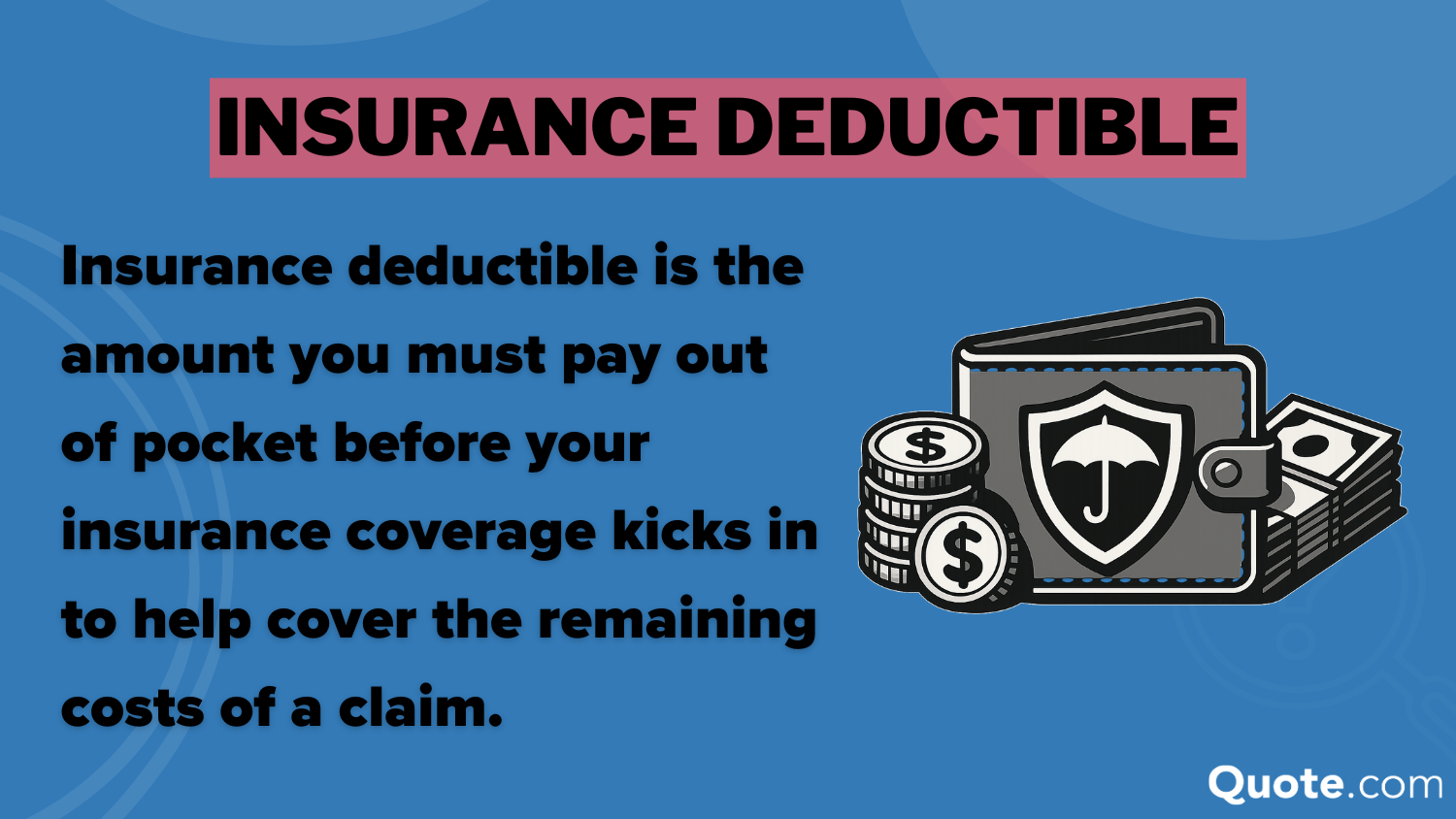
A higher deductible can lower your monthly premiums by $40 to $80, but you will pay more out of pocket if you need to file a claim.
Seniors should pick a deductible that fits their savings. This can help avoid financial stress if unexpected repairs or accidents occur.
How Local Risks Impact Home Insurance for Seniors
Seniors’ insurance premiums depend on risk factors. Insurers consider age, condition, and location to determine risk levels.
If you are a senior homeowner living in a safer neighborhood with a well-built home, your monthly insurance costs can be around $130-$150.
Home Insurance Monthly Rates for Seniors by Risk Factor| Company | Build Quality | Crime Rate | Fire Risk | Flood Zone |
|---|---|---|---|---|
| $145 | $185 | $198 | $225 |
| $150 | $193 | $208 | $228 |
| $135 | $175 | $195 | $213 |
| $165 | $205 | $220 | $245 |
| $130 | $170 | $190 | $211 |
| $153 | $192 | $210 | $230 |
| $148 | $188 | $202 | $235 |
| $140 | $180 | $191 | $215 |
| $138 | $178 | $200 | $216 |
| $160 | $203 | $218 | $240 |
If your home is in an area with higher crime, fire, or flood risk, your premiums can exceed $200. With higher risk providers like Chubb, they might reach $245. See More: How to File a Wildfire Home Insurance Claim
State Farm and The Hartford usually keep increases between the low- and high-risk tiers to about $20 to $40. This helps keep monthly costs more stable.
Seniors who rarely file claims usually save the most with higher deductibles. However, if you file claims often, the extra out-of-pocket costs can cancel out those savings.
Choosing a deductible that matches your emergency savings helps keep your premiums lower and prevents financial stress if you need to pay for unexpected repairs or damage.
How Demographics Can Change Senior Homeowners Premiums
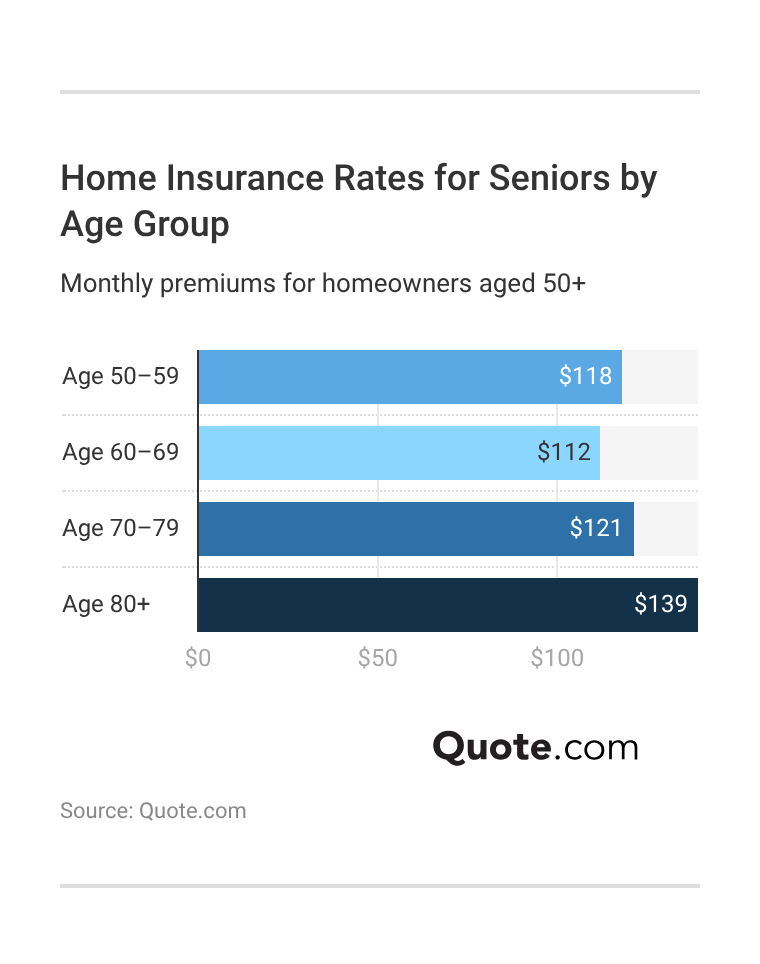
When people retire, their home insurance costs often decrease slightly in the first few years. Don’t Miss It: Cheapest Home Insurance Companies
In their early 60s, many people pay about $112 a month for home insurance. This is often because they have owned their homes longer and tend to file fewer risky claims.
After age 70, home insurance costs usually start to rise again. Rates can exceed $121 and reach around $139 as claims become more frequent.
Insurance companies consider factors such as delayed repairs, older home systems, and a higher risk of accidents. These factors can slowly increase your premiums over time.

Insurance costs usually remain steady during the early retirement years, but they often rise later as it becomes harder to maintain a home and claims become more common.
Taking care of your home and making safety improvements can help reduce these age-related cost increases and keep your insurance premiums from rising too quickly.
How Location Impacts Senior Home Insurance Costs
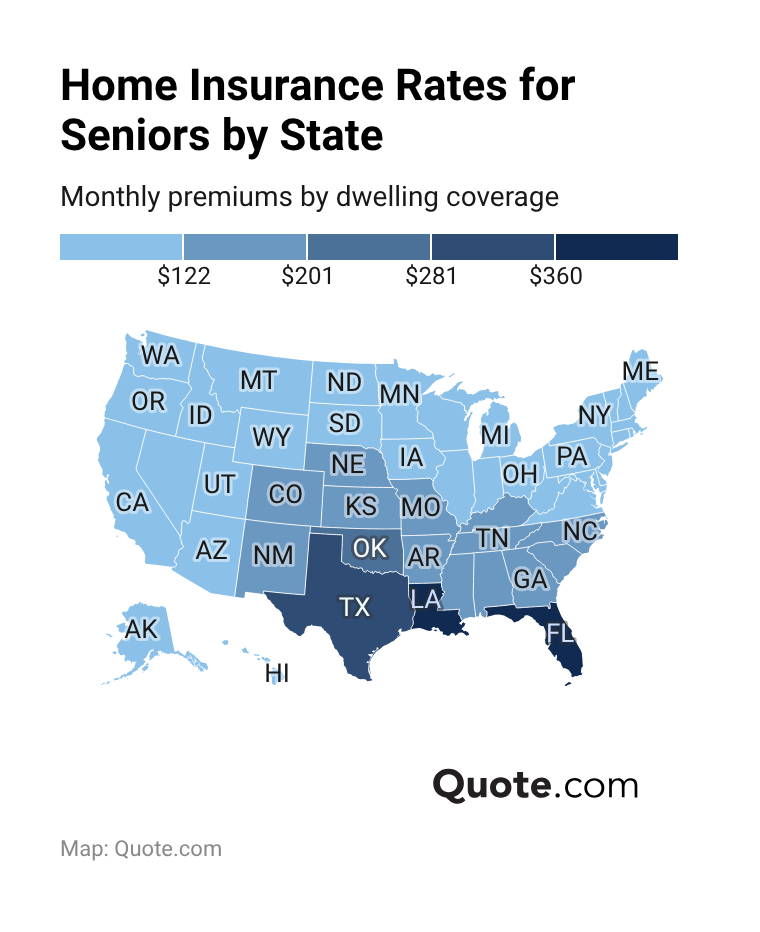
The cost of home insurance for seniors over 60 or 65 can be very different depending on where you live. For example, people in Florida, Louisiana, and Texas usually pay higher monthly premiums because these states pose a greater risk.
In these states, monthly rates often range from $281 to $360. This is mostly due to hurricane risk, flooding, and higher rebuilding costs.
In states like Iowa, Nebraska, and Wisconsin, premiums are lower, usually between $122 and $201 each month. These places have fewer severe weather risks. See More: Best Auto Insurance Companies in Wisconsin
Homeowners in cities often pay more for insurance, even if their coverage and property values are similar to those in rural areas.
Local labor costs raise home insurance for seniors, with urban areas costing $60 to $120 more monthly than rural regions.
Rachel Bodine Insurance Copywriter
Because labor costs are higher in cities, the cost of repairs and rebuilding increases. Insurers include these costs when setting monthly premiums.
Compare home insurance rates by state to see how your deductibles and coverage levels can change costs in your area.
Free Home Insurance Comparison
Compare Quotes From Top Companies and Save
Available Senior Home Insurance Coverages
As you get older, you need enough liability coverage because injury claims can exceed $100,000 and may quickly drain your retirement savings if you lack proper insurance.
In addition to liability, other aspects of coverage become equally important as your circumstances change.
Types of Home Insurance Coverage for Seniors| Protection | Priority | What it Covers | Who Needs it |
|---|---|---|---|
| Dwelling | Essential | Main home | All owners |
| Liability | Essential | Injury claims | Asset owners |
| Loss of Use | Important | Living costs | Disaster areas |
| Medical Pay | Helpful | Guest injuries | Frequent guests |
| Personal Items | Important | Personal items | All owners |
| Separate Units | Situational | Other buildings | Homeowners |
| Water Backup | Situational | Water damage | Older homes |
For example, if your home is damaged, temporary housing can cost between $1,500 and $3,000 a month. Having living expense coverage can help protect you in situations like these.
Furthermore, water damage is a common problem in older homes, and repairs can cost $5,000 or more without additional protection.

In addition to basic coverage, these options help protect seniors from expensive gaps that can arise after unexpected events or accidents.
Extras like accessibility upgrades and higher personal property limits also help seniors stay independent without risking their retirement savings.
Learn more about insurance coverage for seniors in our guides:
How to Save on Home Insurance for Seniors
To save on premiums, it’s important to combine the right discounts instead of just choosing the lowest starting rate.
This list of the best home insurance discounts can save seniors over 30%, especially with companies like State Farm or Allstate.
Top Home Insurance Discounts for Seniors| Company | Bundling | Claims-Free | Loyalty | Security |
|---|---|---|---|---|
| 10% | 15% | 7% | 8% |
| 15% | 20% | 8% | 10% |
| 20% | 20% | 7% | 10% |
| 10% | 20% | 10% | 12% |
| 12% | 12% | 6% | 20% |
| 14% | 20% | 6% | 9% |
| 11% | 18% | 9% | 10% |
| 20% | 24% | 12% | 15% |
| 15% | 14% | 6% | 22% |
| 13% | 16% | 8% | 7% |
Adding security features like monitored alarms can lower your costs by another 10% to 22%, while also making your home safer.
If you miss even one discount, you might pay $20 to $50 more each month, which can add up fast, especially if you’re on a fixed retirement income.
Home insurance helps protect you financially if accidents or disasters happen, covering damages that might otherwise cost you anywhere from $5,000 to more than $100,000.
By regularly comparing quotes, you can find better rates and ensure your home stays protected as risks and repair costs rise. Check Out This Page: How to Compare Home Insurance Quotes
Other Ways to Lower Senior Home Insurance Rates
Making a few simple changes around your home can help lower your insurance costs over time.
Seniors can save money by reducing risks, updating their policies, and looking at different options.
- Check Rates Yearly: You might find options that are $20 to $60 cheaper per month.
- Install Safety Devices: Add alarms and sensors to your home to qualify for discounts of up to 10%.
- Maintain Home Systems: Keep your roof and plumbing up to date to help avoid expensive rate increases.
- Raise Deductibles: Increase your deductible from $1,000 to $5,000 to save $50-$80 per month.
- Review Coverage Limits: Adjust them to match your home’s rebuild value so you don’t pay more than you need to.
Staying proactive can help keep your insurance premiums steady and prevent extra costs.
These tips are especially useful for seniors who are managing home insurance costs on a fixed income.

Using several senior home insurance discounts together can lower your premiums by more than 30%, especially if you combine discounts with upgrades that reduce risk.
Making small changes, such as raising your deductible or adding safety features, can save you $40 to $80 each month and also make expensive claims less likely.
Top Home Insurance Providers for Seniors
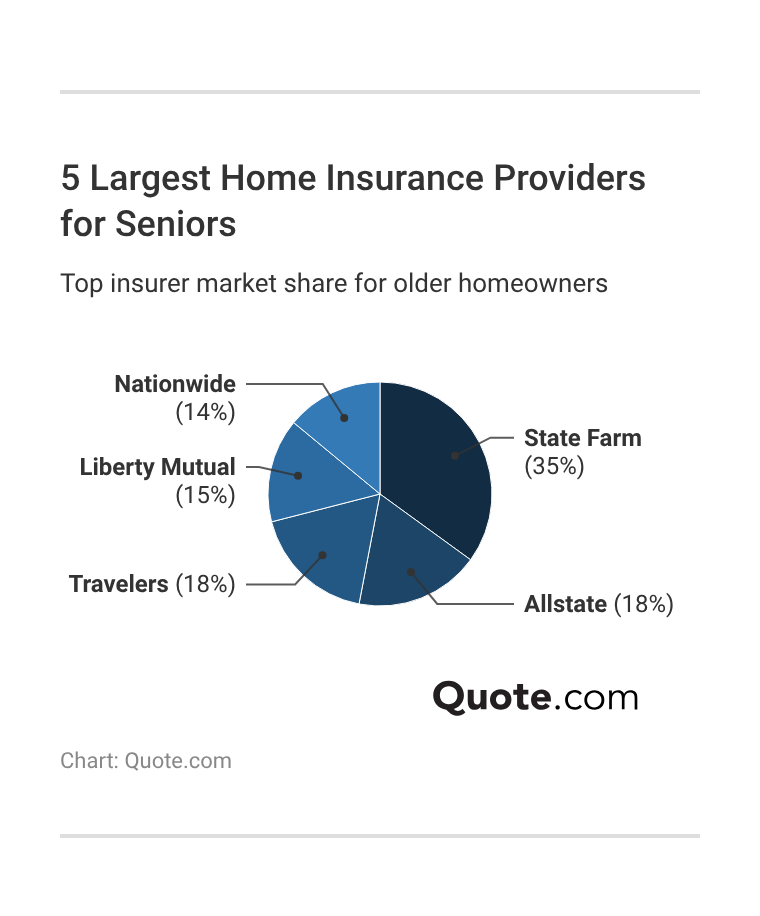
State Farm holds a 35% market share and gives up to 24% off for claims-free customers. They also have strong local agent support, which makes handling claims easier.
Allstate and Travelers each have about an 18% share. They offer bundling discounts of up to 20% and have mobile tools that make it easy to track your policy and update claims. Get The Details: Best Auto and Home Insurance Bundles
Nationwide and Liberty Mutual, with shares between 14% and 15%, offer flexible deductibles ranging from $500 to $5,000. Customers can also save between $20 and $60 each month.
These features help seniors pay lower premiums, manage their policies more easily, and avoid paying more than $5,000 out of pocket for unexpected home repairs.
#1 – Amica: Best for Customer Care
Pros
- High Claims Score: Amica’s high claims score of 705 out of 1,000 means seniors usually get their payouts faster and face fewer delays when they need to repair their homes.
- Dividend Program: Seniors who qualify for Amica’s dividend program can get some of their premiums back each year. Don’t Miss It: Amica Insurance Review
- Competitive Base Rates: Amica offers starting prices around $100 per month for mid-level coverage, making it easier for seniors to get good protection without overspending.
Cons
- Limited Local Agents: Seniors who prefer meeting agents in person might notice that Amica has fewer local offices than larger companies such as State Farm.
- Fewer Add-On Options: If seniors want extra coverage for water backup, they may find fewer options with Amica than with other companies.
#2 – Chubb: Best for Premium Homes
Pros
- High Coverage Limits: Chubb is a good choice for seniors with expensive homes, since it offers coverage to rebuild homes worth over $500,000 and uses high-quality materials.
- Strong Financial Rating: Chubb’s top A++ rating from A.M. Best makes it one of the best home insurance companies for seniors after major disasters or big losses.
- Cash Settlement Option: Seniors can choose to get a cash payout instead of rebuilding their home. Important Details:
Cons
- Higher Monthly Costs: Chubb’s monthly costs are higher, starting at about $140 and rising to over $270 with larger deductibles, so it may not fit every budget.
- Strict Eligibility: Seniors who own older homes or homes with lower values might not qualify for Chubb, since the company focuses on higher-end properties.
#3 – Erie: Best for Regional Service
Pros
- Strong Local Support: Since Erie serves specific regions, seniors receive more personal service, especially when making claims or updating their policy.
- Lowest Starting Rates: Seniors can find policies for around $90 a month for $150K in coverage, so Erie is one of the most affordable options.
- Stable Pricing Trends: Seniors typically see only small rate increases, with monthly costs usually rising by $20 to $40 as risk factors change. Read More: Erie Insurance Review
Cons
- Limited Availability: Seniors who live outside Erie’s service areas may not be able to get these lower rates or local support.
- Fewer Digital Tools: Seniors who like managing their accounts online may notice fewer mobile features than what bigger national insurers offer.
#4 – State Farm: Best for Agent Support
Pros
- Wide Agent Network: Seniors have access to thousands of local agents, which makes it easier to handle claims or change coverage in person.
- Strong Discount Stack: Stacking discounts in our State Farm auto insurance review shows savings of over 40% for being claims-free and bundling.
- Consistent Mid-Range Pricing: Seniors usually pay about $98 a month for $150,000 in coverage, offering a good balance between cost and reliability.
Cons
- Moderate Claims Score: Seniors may find that claims are processed a bit slower than with top-rated providers with scores above 670.
- Add-On Costs: If seniors add extra protections like water backup, their premiums may go up by $15 to $30 a month, depending on the coverage.
#5 – The Hartford: Best for AARP Benefits
Pros
- AARP Integration: Seniors receive special perks, such as discounts and policy features designed for older homeowners. See Our Article: The Hartford Insurance Review
- Competitive Mid-Tier Rates: Seniors often pay around $92 a month for $150,000 in coverage, helping make it manageable for those on fixed incomes.
- Security Discounts: Seniors can save up to 22% by adding home safety features such as security systems or monitored protection services.
Cons
- Membership Requirement: Must maintain their AARP membership, which adds an extra yearly cost before accessing insurance benefits.
- Limited High-End Coverage: Seniors with luxury homes may find fewer high-value coverage options than what premium insurers like Chubb offer.
#6 – Nationwide: Best for Bundle Discount
Pros
- Bundling Savings: Nationwide allows seniors to bundle their policies and save up to 18%.
- Balanced Pricing: Most seniors pay around $103 each month for $150K in coverage. Our Nationwide review shows prices don’t change much as coverage amounts increase.
- Stable Adjustments: Rate changes for seniors are generally moderate. Monthly costs typically change by no more than $40, depending on risk factors.
Cons
- Lower Claims Score: Nationwide has a claims score of 641 out of 1,000. Seniors might find that claims are processed more slowly compared to the top-rated companies.
- Limited Premium Options: Seniors who own higher-value homes may notice there are fewer advanced coverage upgrades available compared to what luxury insurers provide.
#7 – Allstate: Best for Policy Add-ons
Pros
- Flexible Add-Ons: Allstate offers seniors options, such as water backup coverage, that can help avoid repair bills over $5,000 for common types of damage.
- High Discount Stack: Seniors can save up to 20% for having no claims and another 15% for bundling, making monthly premiums much more affordable.
- Strong Credit Rates: Seniors with good credit may pay around $170 per month. Related: Allstate Auto Insurance Review
Cons
- Higher Starting Rates: Entry-level coverage for seniors starts at about $105 per month, which is higher than some budget options.
- Risk-Based Increases: Seniors living in high-risk areas may see their premiums go over $228 per month due to location and other risk factors.
#8 – Liberty Mutual: Best for Tailored Plan
Pros
- Flexible Deductibles: Liberty Mutual lets seniors choose deductibles from $500 to $5,000. Picking a higher deductible can lower monthly premiums by $40 to $80.
- Custom Coverage Options: Seniors can add features like inflation protection to their policies. Read our article for more details: Liberty Mutual Insurance Review
- Mid-Range Pricing: Monthly rates for $150,000 in coverage are usually about $110. This gives seniors a good balance between cost and flexibility.
Cons
- Higher Premium Range: If seniors pick lower deductibles, monthly premiums can go over $275. This may not be as competitive as some budget insurers.
- Moderate Discounts: Discounts are moderate, so seniors may not see as much savings as with companies that offer up to 24% off for claims-free records.
#9 – AAA: Best for Club Benefits
Pros
- Membership Perks: AAA gives seniors extras like roadside assistance and special policy perks with their home insurance.
- Steady Pricing: Seniors usually pay about $95 a month for $150,000 in coverage. This keeps the starting costs fairly affordable.
- Claim-Free Rewards: Seniors can get up to 15% off for staying claim-free. This helps lower their premiums over time. Get The Details: AAA Auto Insurance Review
Cons
- Membership Requirement: To receive insurance benefits, seniors must maintain an active AAA membership. This means paying an extra yearly fee.
- Limited Customization: There are fewer policy add-ons available. Seniors might not have as much flexibility as with other insurers that offer more options.
#10 – Travelers: Best for Flexible Policies
Pros
- Policy Flexibility: Travelers makes it easy for seniors to change coverage limits and deductibles. This helps them manage monthly premiums to fit their needs.
- Strong Financial Backing: Travelers has an A++ rating from A.M. Best. This gives seniors confidence that their claims will be paid, even in large or complex situations.
- Competitive Bundling: Our Travelers auto insurance review shows it has the best home and auto insurance for seniors, with bundling discounts of up to 16%.
Cons
- Lower Claims Score: Travelers has a claims score of 608 out of 1,000. Seniors might be less satisfied with the claims process than with those of higher-rated companies.
- Rate Variability: Seniors living in higher-risk areas may pay more than $240 a month due to location-based pricing.
Free Home Insurance Comparison
Compare Quotes From Top Companies and Save
Explore the Best Home Insurance for Seniors
Amica is known for its 705 claims score and pays dividends. Erie usually has the lowest starting rates, about $90 per month. Chubb is often recommended for homes worth more than $500,000.
Premium costs can vary widely depending on your credit score, risk level, and where you live. In early retirement, rates are usually around $112, but they can rise to $139 or more as risk goes up.
Rebuilding costs usually go up by 5% to 8% each year, which can affect your coverage limits. To keep your policy up to date, consider adding an inflation guard.
Melanie Musson Published Insurance Expert
Seniors can manage these changes by raising their deductibles, which can save $40 to $80 each month, or by combining discounts that add up to more than 30%. Read More: How to Buy Home Insurance
Choosing the right coverage and a strong insurer can help you avoid paying over $5,000 in repair costs and keep your premiums steady over time. Find homeowners insurance discounts for seniors by entering your ZIP code to save today.
Frequently Asked Questions
Who has the best home insurance for seniors?
Amica, Chubb, and Erie have the best home insurance for seniors, with claims scores above 670, A+ or higher A.M. Best ratings, and rates starting near $90 per month for $200K in dwelling coverage. Get The Details: Is home insurance required?
Who has the cheapest home insurance for seniors?
Companies like Erie and The Hartford often offer lower monthly rates for seniors, with some starting at around $90 per month for $200K in coverage. Where can I find the cheapest homeowners insurance for seniors near me? Enter your ZIP code and save today.
Does AARP offer homeowners insurance for seniors?
Yes, AARP partners with The Hartford to provide AARP homeowners insurance for seniors, offering affordable coverage options designed for older homeowners. Important Details: Best Auto Insurance Discounts for Seniors
What is the AARP $9 deal for seniors?
The $9 AARP deal usually refers to a discounted membership, not the best AARP homeowners insurance for seniors, and it does not reflect an actual monthly premium.
Can seniors get a discount on homeowners insurance?
Seniors can qualify for discounts such as claims-free savings of up to 24%, bundling discounts of around 20%, and security system savings between 10% and 22%, which can be combined with senior auto insurance discounts to lower monthly premiums.
What are the alternatives to homeowners insurance for seniors?
Dwelling fire policies, condo insurance, or self-insuring minor risks are common options to get cheaper home insurance for senior citizens, though these plans offer less protection against major losses.
How can seniors save on homeowners insurance?
Seniors can save by raising deductibles, bundling policies, and installing safety features, often reducing premiums by $40 to $80 monthly. Comparing free home insurance quotes online can also connect seniors with the cheapest providers in their neighborhood.
What is the best homeowners insurance for retirees?
Amica, Erie, and The Hartford offer strong claims scores and affordable monthly rates starting near $90 for $200K coverage. Explore Your Options: Best Home Insurance for Veterans
Which insurance company denies the most claims?
No single insurer consistently denies the most claims, as approval rates vary by situation, documentation, and policy terms, not just the company. Find cheap homeowners insurance for seniors by entering your ZIP code and get better claims coverage.
What is the 80% rule for home insurance?
The 80% rule means homeowners must insure at least 80% of their home’s rebuild value to receive full coverage for partial claims.
What should I not say to my home insurance provider?
What is the best affordable home insurance for seniors?
Does the age of my home affect insurance costs?
Related Articles





Get a FREE Quote in Minutes
Insurance rates change constantly — we help you stay ahead by making it easy to compare top options and save.