Dwelling Coverage for Homeowners: What it Covers & Costs in 2026
Dwelling coverage for homeowners protects the physical structure of your home, with rates starting at $45 per month through Progressive and $66 per month through State Farm. Costs are based on the rebuild value, coverage limits, and the impact of weather-related risks on rebuilding costs.
Read more





Table of Contents
Table of Contents

Insurance and Finance Writer
Karen Condor is an insurance and finance writer who has degrees in both journalism and communications. She began her career as a reporter covering local and state affairs. Her extensive experience includes management positions in newspapers, magazines, newsletters, and online marketing content. She has utilized her research, writing, and communications talents in the areas of human resources, f...
Karen Condor

Head of Content
Meggan McCain, Head of Content, has been a professional writer and editor for over a decade. She leads the in-house content team at Quote.com. With three years dedicated to the insurance industry, Meggan combines her editorial expertise and passion for writing to help readers better understand complex insurance topics. As a content team manager, Meggan sets the tone for excellence by guiding c...
Meggan McCain

Licensed Insurance Broker
Zach Fagiano has been in the insurance industry for over 10 years, specializing in property and casualty and risk management consulting. He started out specializing in small businesses and moved up to large commercial real estate risks. During that time, he acquired property & casualty, life & health, and surplus lines brokers licenses. He’s now the Senior Vice President overseeing globa...
Zach Fagiano
Updated May 2026
Dwelling coverage covers the physical structure of your home and garage, but not your personal property inside. Rates start around $45 per month at lower coverage levels.
- Dwelling insurance covers your home’s structure based on rebuild cost
- Progressive offers low rates, around $107 monthly for $500K coverage
- Average dwelling coverage premiums vary by home size and risk
Costs also vary by insurance deductibles, with $500 deductibles averaging $90–$120 monthly. Higher coverage raises premiums due to increased rebuild costs, materials, and labor.
Use our free quote comparison tool to find the cheapest dwelling coverage for homeowners in your area and compare rates based on your coverage needs.
What is Dwelling Coverage for Homeowners?
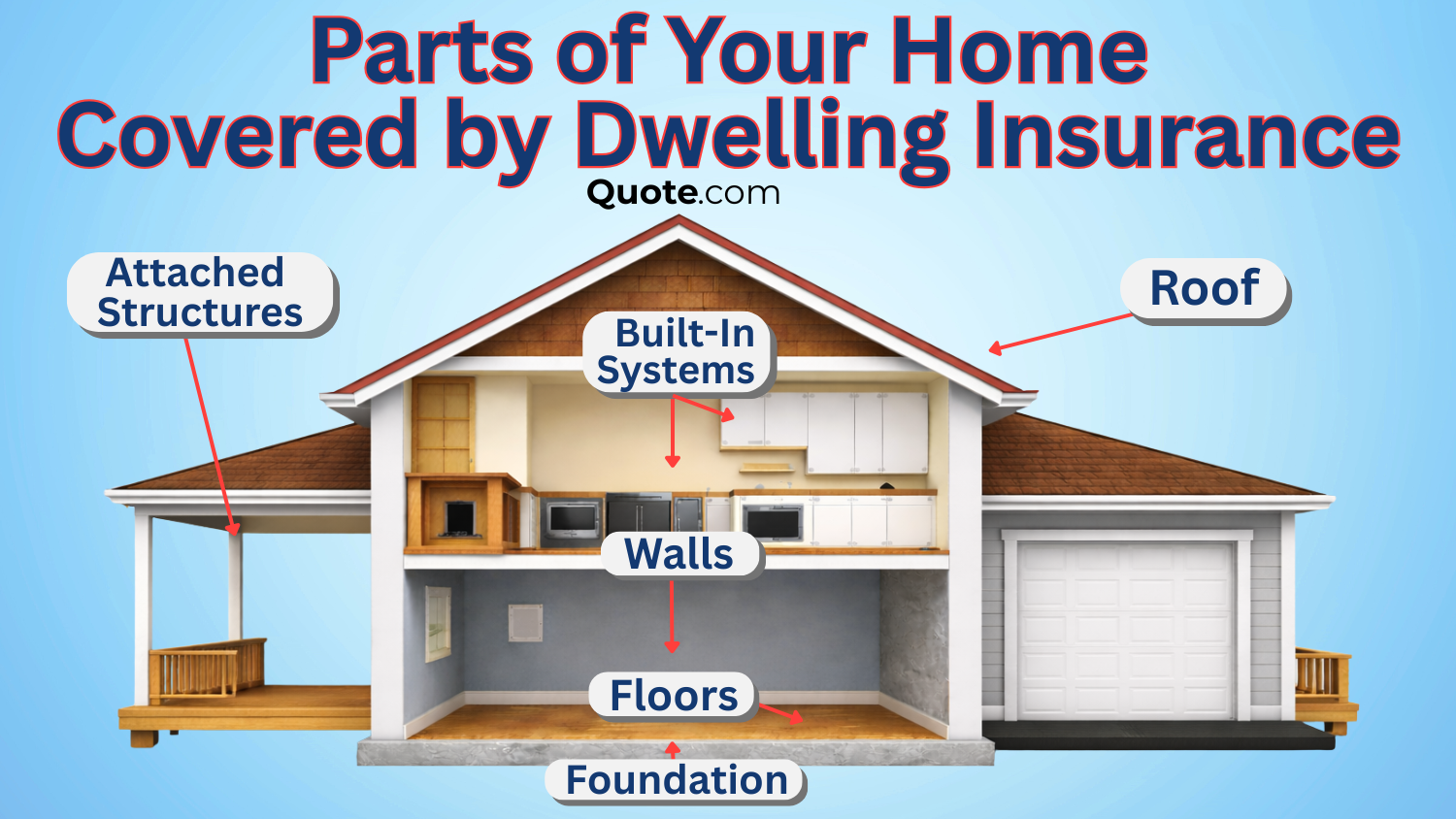
Dwelling coverage protects the physical parts of a home that are fixed in place and essential to how the property functions.
It includes the structure itself along with the built-in components that make the space usable, such as internal systems, permanent installations, and structural supports.
What Dwelling Coverage Includes for Your Home| Coverage Type | Included Details |
|---|---|
| Attached Features | Attached garages, porches, and decks |
| Building Materials | Repair or rebuilding materials for home |
| Built-In Fixtures | Cabinets, counters, and HVAC systems |
| Dwelling Structure | Walls, roof, and floors of main structure |
| Electrical Systems | Wiring and built-in electrical components |
| Plumbing Systems | Pipes, water lines, and built-in plumbing |
| Structural Elements | Foundation, beams, and framing elements |
| Windows & Doors | Exterior windows, doors, and entry points |
Anything permanently attached or essential to the home falls under the dwelling policy homeowners insurance coverage, keeping the property stable and secure after unexpected events.
When damage occurs, the goal is to cover the cost of restoring these elements so the home can be safely lived in again. That can involve anything from targeted repairs to more extensive rebuilding, depending on how severe the loss is.
The coverage also applies to the materials and labor needed to bring the property back to code, rather than its current value. Our guide explains more: Replacement Cost vs. Actual Cash Value
Dwelling coverage focuses on the home as a constructed space rather than the belongings inside it, which are covered by other parts of your homeowners policy.
Understanding DP-1, DP-2 and DP-3 Dwelling Policies
DP-1, DP-2, and DP-3 insurance policies offer varying levels of coverage based on the type of property, the amount of protection required, and the level of risk homeowners or landlords want to insure against.
Dwelling basic coverage (DP-1) is a basic named-peril policy for vacant or rental homes, covering risks like fire and lightning, while DP-2 provides broader protection against risks such as windstorms, hail, vandalism, and water damage.
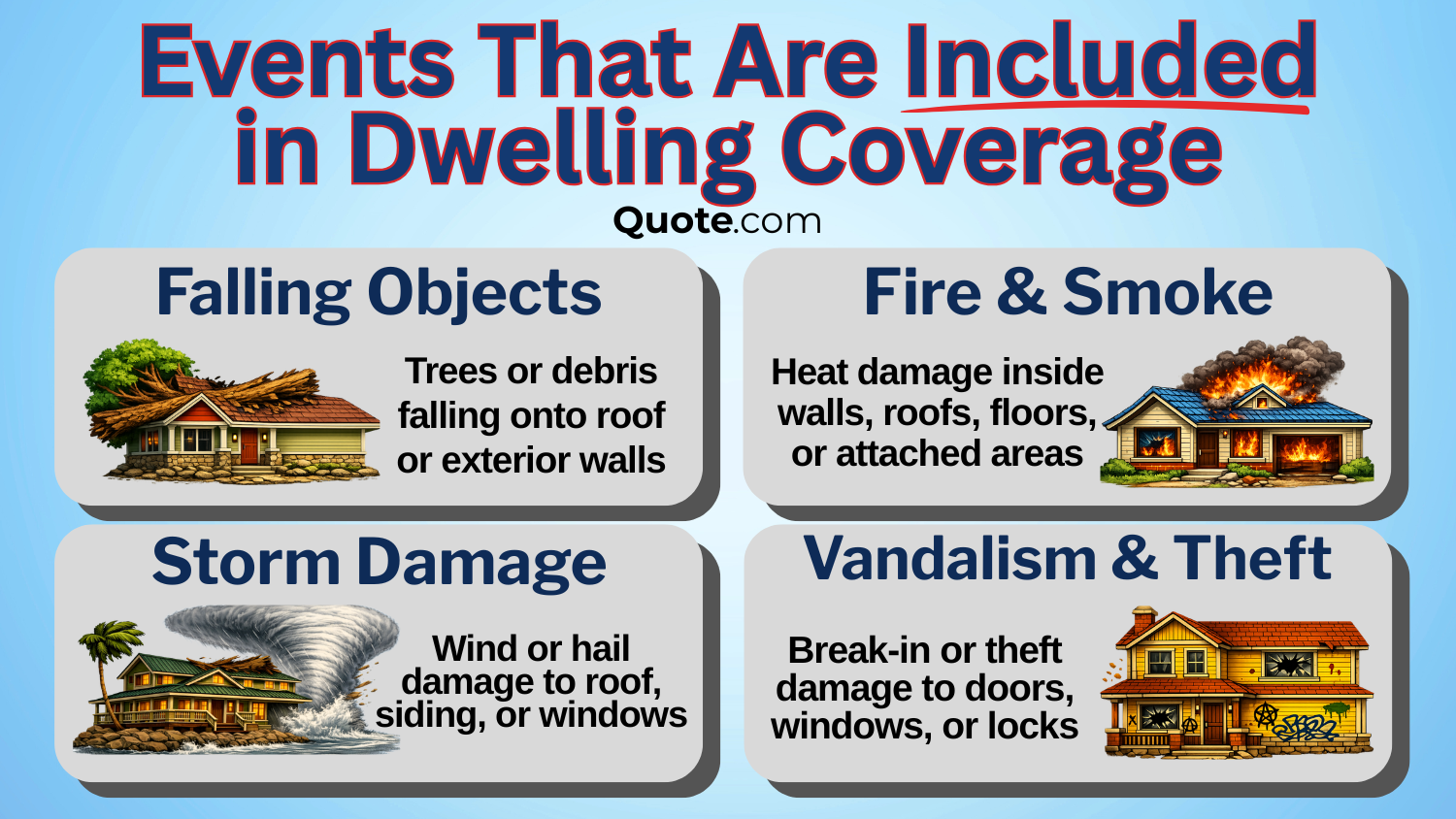
DP-3 offers the broadest protection with open-peril coverage, replacement cost protection, and loss of rental income coverage, making it a common choice for dwelling insurance for rental properties.
Generally, DP-1 is best for older or vacant homes, DP-2 offers a balance between cost and protection, and DP-3 provides some of the best home insurance for landlords, offering strong landlord dwelling insurance coverage for rental and investment property owners.
Calculate How Much Dwelling Coverage You Need
Determining the right dwelling coverage amount depends on how much it would cost to rebuild your home under current construction and labor costs.
That depends on the home’s size, construction type, materials, roofing, and built-in features, which is why many homeowners use a dwelling insurance calculator to estimate rebuild costs.
How to Determine Your Dwelling Coverage Needs| Factor | What it Means | What to Consider |
|---|---|---|
| Building Codes | Local code rules | May increase coverage |
| Construction Type | Type of materials | Impacts rebuild pricing |
| Deductible Choice | Chosen deductible | More $ upfront less later |
| Home Replacement | Home rebuild cost | Sets base coverage limit |
| Local Labor Costs | Average labor costs | Higher costs raise limits |
| Location Risk Level | Area risk & exposure | High risk raises limits |
| Material Quality | Quality of materials | Higher quality costs more |
| Permit Regulations | Permit fees & rules | Adds to rebuild costs |
| Roof Design Type | Roof design & type | Complex roofs cost more |
| Special Features | Unique built-in items | Adds to rebuild value |
| Square Footage | Total home living area | Larger homes cost more |
| Structure Age | Age of the structure | Older homes cost more |
Larger homes and high-end finishes increase costs, and older homes may need code updates, while insurance for structures not covered by dwelling coverage may be needed.
Where you live also matters because rebuilding costs, labor rates, permit requirements, and local regulations can vary widely, which is why home insurance rates by state often differ significantly from one area to another.
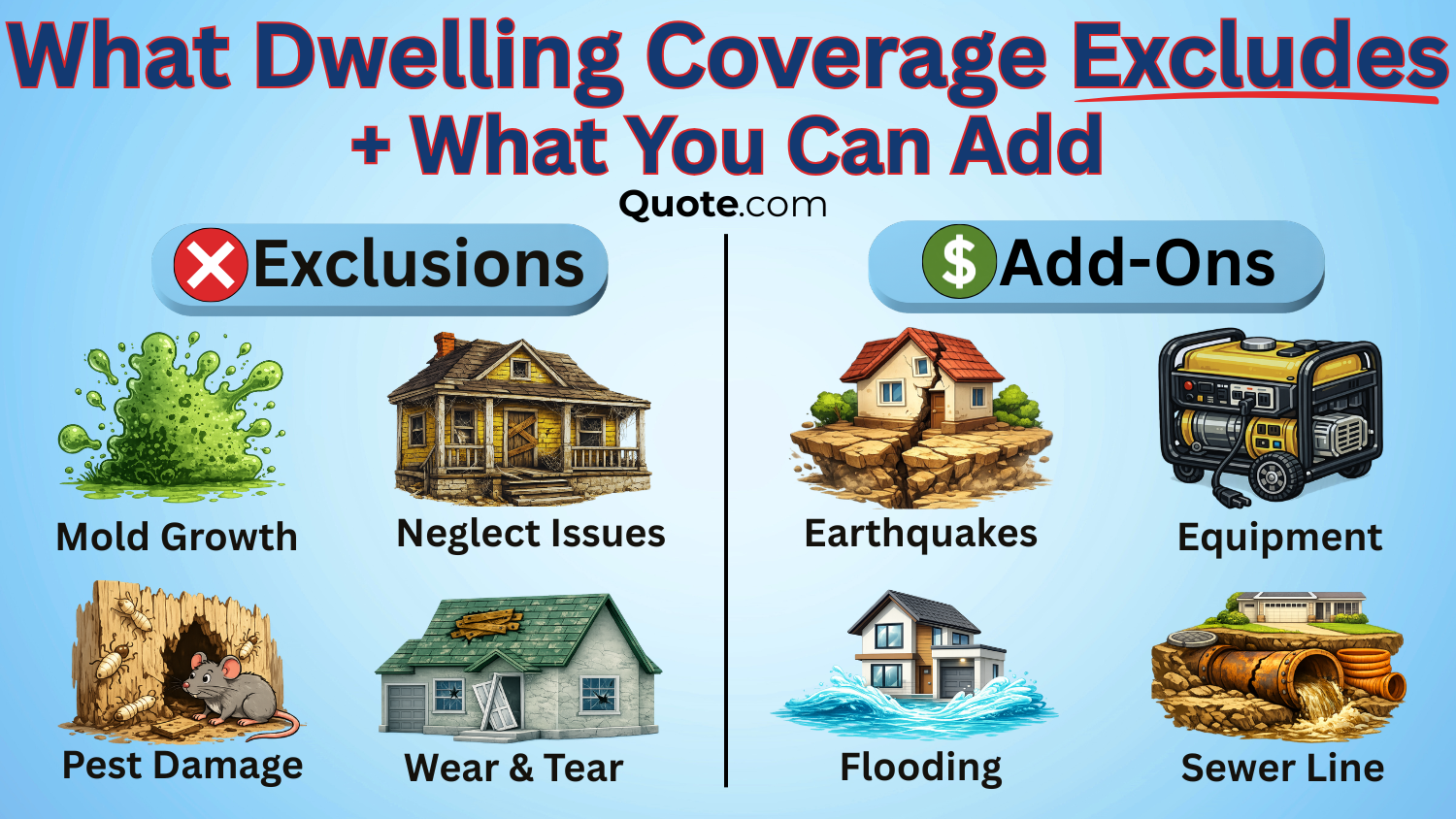
Homes in regions with greater risk exposure may need higher limits to account for potential damage, helping reduce the risks of insufficient dwelling coverage.
Deductible choices affect out-of-pocket costs, and the best insurance for high-risk homes can help balance coverage and affordability to avoid gaps after a major loss.
How Home Size and Rebuild Costs Impact Your Coverage
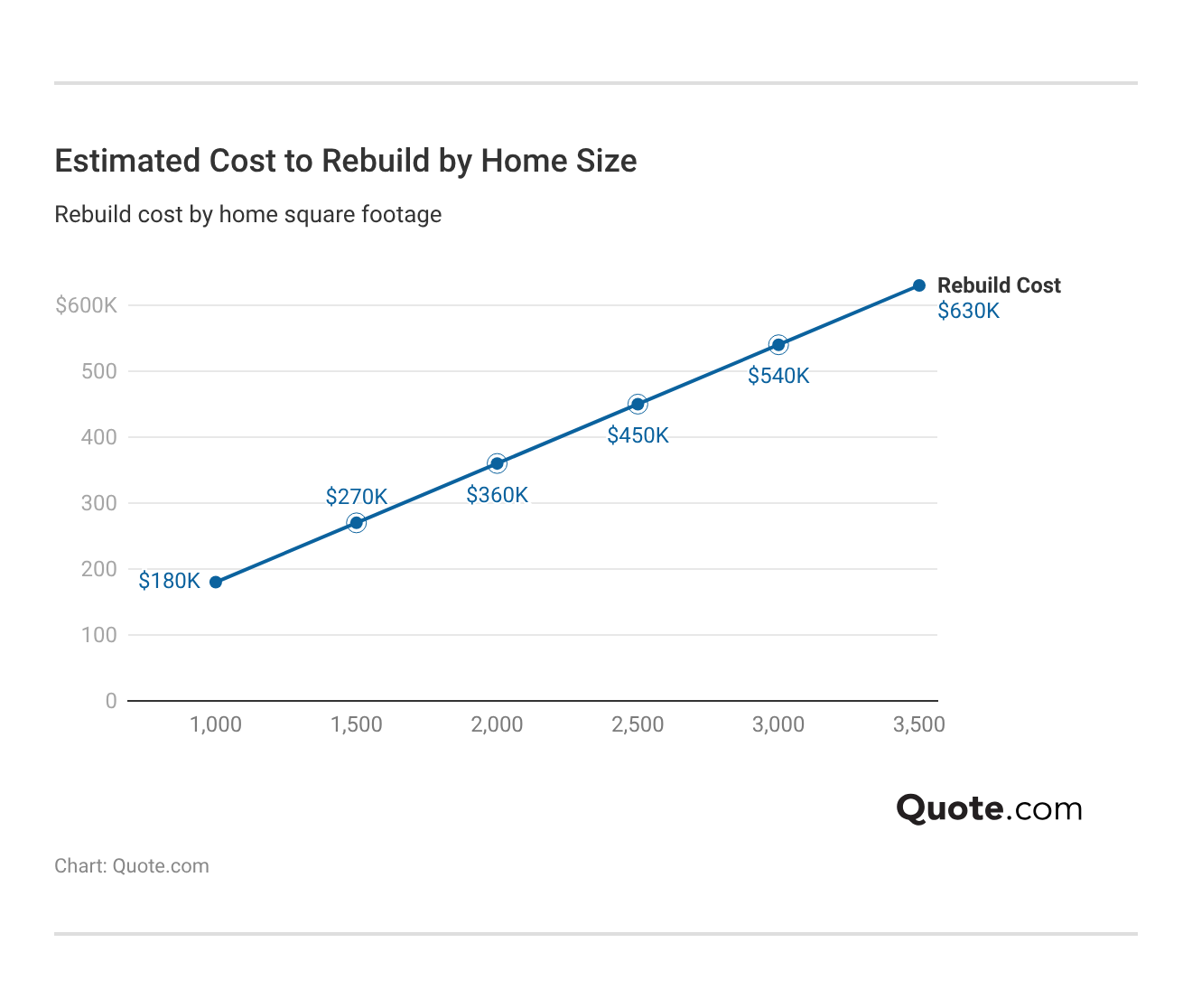
Rebuild cost is the main factor used to set dwelling in home insurance coverage, and home size plays a major role in that estimate.
As square footage increases, the amount of materials, labor, and time needed to rebuild also goes up, which raises the coverage limit you should carry.
Using your home’s size as a starting point helps you arrive at a realistic coverage range that matches actual construction costs.
Using the best insurance comparison sites can help homeowners understand dwelling coverage vs. market value and choose a policy that fully covers repair or rebuilding costs after a major loss.
Free Home Insurance Comparison
Compare Quotes From Top Companies and Save
Compare Dwelling Insurance Cost
Progressive has the lowest starting price at $45 for $200K in coverage, but it rises to $107 for $500K. It remains the cheapest option at every level.
State Farm dwelling coverage ranges from $66 to $159, while Nationwide runs from $68 to $168, with both offering reliable coverage at relatively affordable rates.
Home Insurance Monthly Rates by Dwelling Coverage| Company | $200K | $300K | $400K | $500K |
|---|---|---|---|---|
 | $81 | $121 | $154 | $186 |
 | $84 | $125 | $158 | $191 |
 | $98 | $146 | $184 | $222 |
 | $92 | $137 | $176 | $215 |
 | $96 | $144 | $192 | $240 |
 | $74 | $111 | $145 | $179 |
 | $88 | $131 | $165 | $199 |
 | $68 | $101 | $135 | $168 |
 | $45 | $67 | $87 | $107 |
 | $66 | $99 | $131 | $159 |
Chubb and American Family sit at the higher end, with Chubb going from $96 to $240 and American Family from $98 to $222. Find the cheapest home insurance today by comparing a free dwelling insurance quote with our ZIP code comparison tool.
Their prices climb faster as coverage increases, which lines up with stronger policy features and options for higher-value homes.
Erie lands in the middle, with rates from $74 to $179. It stays competitive even at higher coverage levels, making it one of the better value picks for homeowners who want solid protection without paying top-tier rates.
Among the cheapest home insurance companies, Progressive still has the lowest price at higher coverage amounts, while Erie and Nationwide offer a more balanced mix of cost and coverage.
How Higher Coverage Levels Increase Insurance Premiums
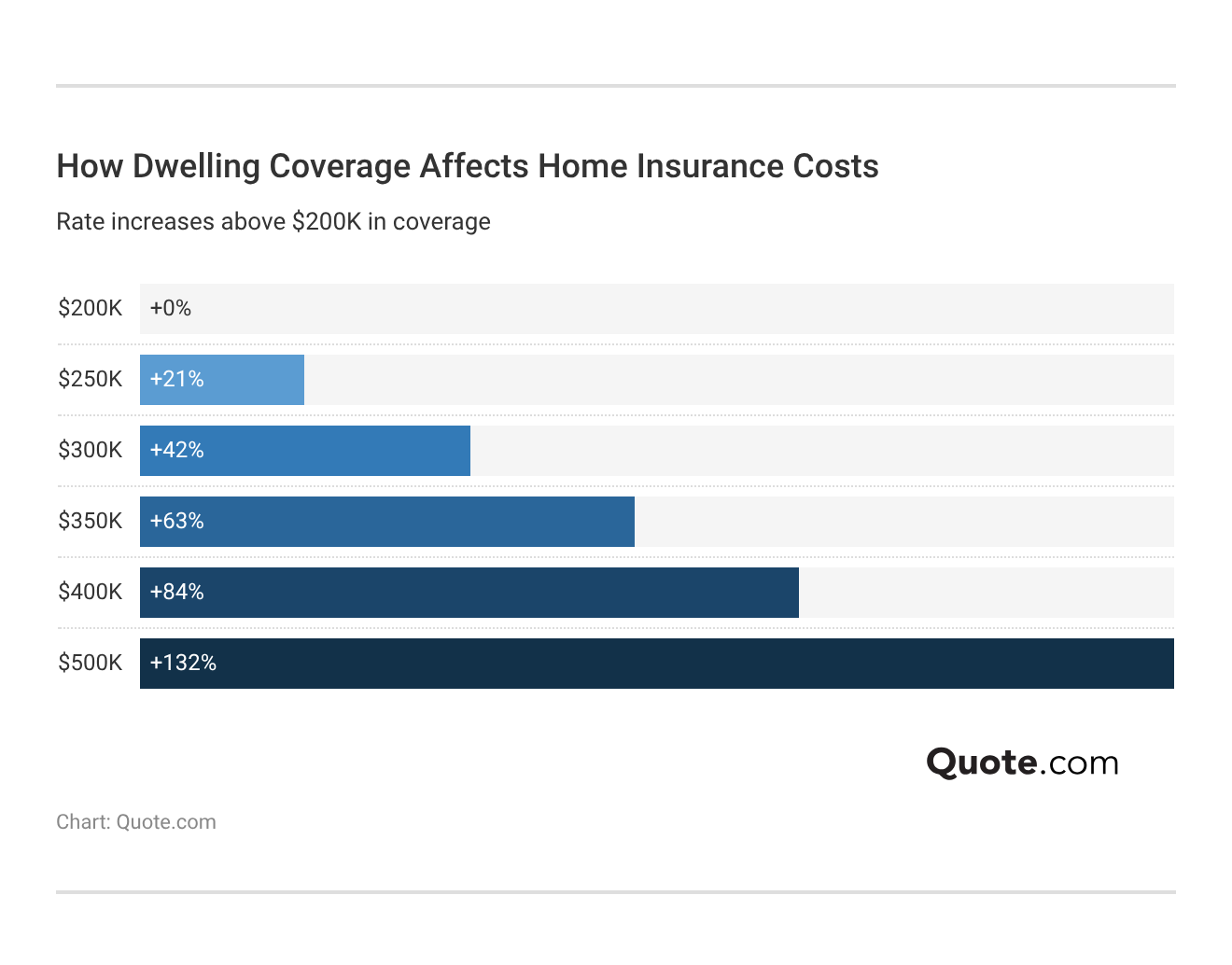
The increase is usually more the result of rising potential rebuilding costs than an increase in your home’s value directly. As the dwelling coverage increases, so does the insurance cost.
At higher levels, construction and more specialized labor, combined with lengthy rebuild times, significantly raise prices.
Once coverage reaches higher ranges, construction, specialized labor, and longer rebuild times drive costs up significantly.
Across different types of home insurance, insurers increase premiums more quickly for homes that require higher-quality materials or more complex designs.
Higher dwelling coverage raises premiums as insurer risk increases. Focus on accurate rebuild costs. For example, use a reconstruction cost tool to avoid overinsuring.
Melanie Musson Published Insurance Expert
Understanding dwelling coverage limits shows that more extensive coverage amounts increase the insurer’s potential payout after a major loss.
This higher level of risk leads insurers to raise premiums more aggressively as coverage levels continue to increase.
Location Differences in Home Insurance Pricing
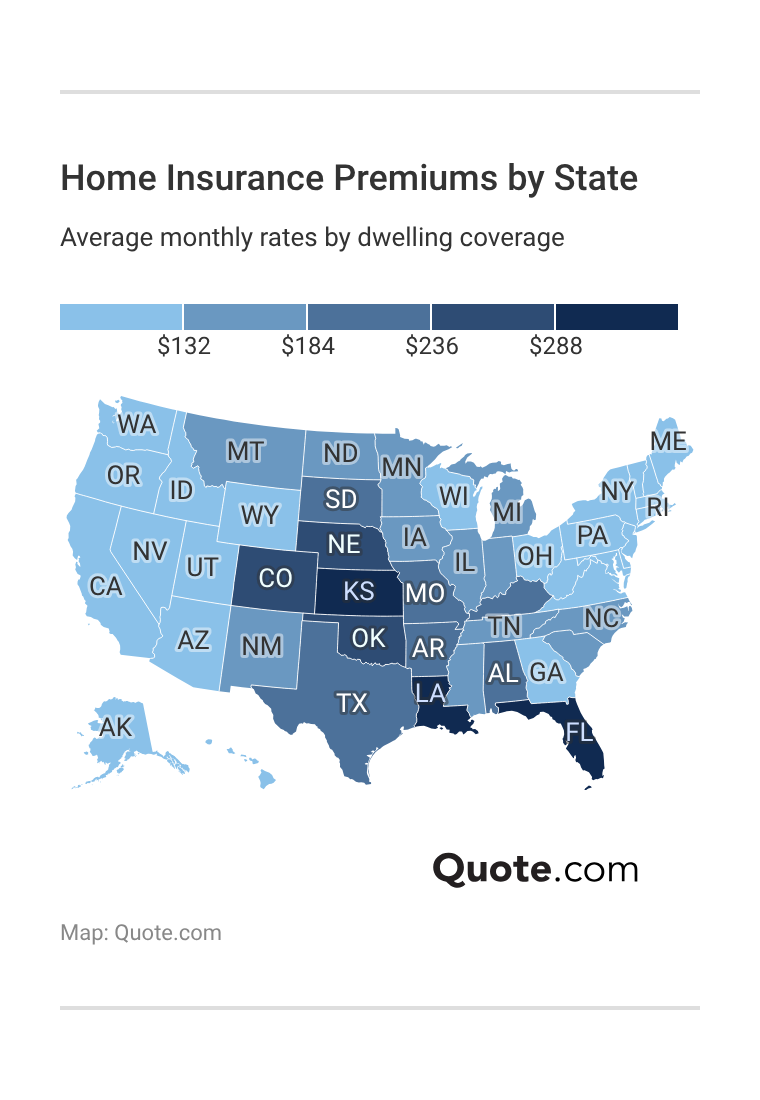
Home insurance premiums differ across states due to factors such as climate risks, construction costs, and insurance market conditions.
As you get more coverage, your insurance premiums go up. Montana is seeing the biggest increases, with rates doubling from $200K up $500K, nearly double.
The rapid rise in homeowners insurance dwelling coverage costs reflects greater risk exposure and higher rebuilding expenses rather than improved value for homeowners.
In Montana, premiums are going up, due to extreme weather events, including more wildfires, and construction costs that have pushed fire insurance costs up 35%-45%.
Home insurance rates vary by state due to local risks and rebuilding costs; understanding these factors, and adding storm-resistant features, can help lower premiums.
Brad Larson Licensed Insurance Agent
Pennsylvania remains one of the most affordable states for home insurance, with rates from $85 to $186 per month due to lower overall risk and a competitive market, similar to the best auto insurance companies in Pennsylvania.
Arizona has moderate home insurance rates, with premiums ranging from $131 to $286. Wildfire risk and extreme heat can drive prices up, while stable building costs help control increases.
Impact of Deductibles on Home Insurance Costs
Home insurance dwelling coverage costs vary based on your deductible and coverage limits, which determine how much you and your insurer each pay after a claim.
Homeowners looking for lower monthly rates often choose higher deductibles because taking on more upfront costs during a claim can reduce premium prices.
How Deductibles & Coverage Affect Home Insurance Cost| Deductible | Dwelling Coverage | Monthly Rate |
|---|---|---|
| $500 | $200K-$250K | $90-$120 |
| $1K | $250K-$300K | $110-$140 |
| $1.5K | $300K-$350K | $130-$165 |
| $2K | $350K-$400K | $150-$185 |
| $3K | $400K-$500K | $170-$220 |
| $5K | $500K-$650K | $210-$300 |
Coverage limits still play a major role in pricing since larger homes and higher rebuild costs require more dwelling protection.
Even with higher deductibles, premiums can rise when labor, materials, and construction expenses increase.
Choosing the right deductible depends on your budget and how much you can comfortably pay after damage occurs.
Lower deductibles usually mean higher monthly costs but less out-of-pocket spending during a claim, while higher deductibles can make coverage more affordable month to month.
Read More: Best Auto Insurance Companies for Claims Handling
Understanding Home Insurance Coverage Types
Home insurance policies include different coverage types that protect your home, property, and living expenses after covered damage or losses.
Understanding what dwelling coverage A, B, C, and D include can help homeowners choose the right protection and avoid coverage gaps.
- Coverage A: Dwelling coverage helps pay to repair or rebuild your home’s structure after covered damage like fire, storms, or hail.
- Coverage B: Other structures coverage protects detached structures on your property, such as garages, sheds, fences, guest houses, or detached workshops.
- Coverage C: Personal property coverage helps replace belongings like furniture, electronics, clothing, and appliances if they are damaged, destroyed, or stolen.
- Coverage D: Loss of use coverage helps pay for temporary living expenses if your home becomes uninhabitable during covered repairs.
Knowing how home insurance coverage types work can make it easier to understand what parts of your home, property, and belongings are protected after a covered loss.
Different coverages apply to different situations, including structural damage, personal property losses, detached structures, and temporary living expenses after major repairs.
Checking your dwelling insurance policy regularly can help ensure your coverage limits still match your home’s rebuild costs, personal belongings, and current insurance needs.
Reviewing your policy details can also help you compare home insurance rates more confidently and avoid unexpected out-of-pocket expenses after damage occurs.
Dwelling Coverage Explained for Every Home Type
The average dwelling coverage cost will differ based on the type of home, as it is designed to replace your structure according to size, materials, and complexity.
Dwelling coverage for a condo typically ranges from $150K to $250K, depending on the size of the unit, interior upgrades, and rebuild costs.
How Much Dwelling Coverage You Need by Home Type| Property | Coverage |
|---|---|
| Condo Interior | $150K-$250K |
| High-Value Home | $500-$650K |
| Large Single-Family | $400K-$600K |
| Luxury Custom Home | $300K-$450K |
| Mid-Size Home | $200K-$300K |
| Small Single-Family | $250K-$400K |
The policy usually covers interior walls, fixtures, and built-in features, which are commonly included in the best condo insurance policies.
Small single-family homes usually cost between $250K and $400K to rebuild, while larger homes cost between $400K and $600K due to added space and more complex features.
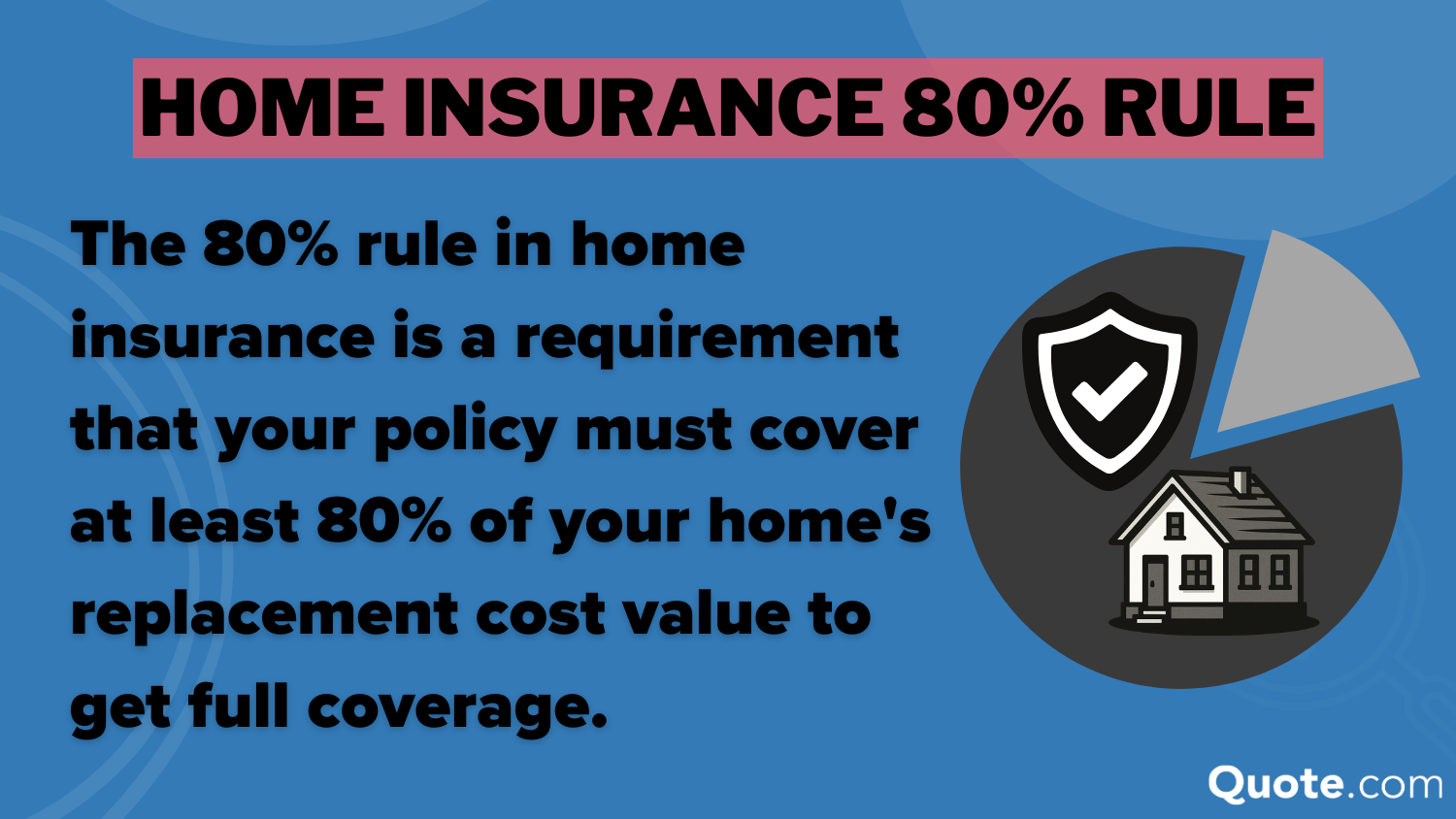
High-value homes reach $500K to $650K due to premium materials and specialized labor, as noted in the best home insurance for high-value properties, while luxury custom homes range from $300K to $450K based on unique design features.
They are based on different options of rebuild costs, such as labor, quality of materials, or quality and complexity of the structure.
Free Home Insurance Comparison
Compare Quotes From Top Companies and Save
How to File Dwelling Insurance Claims
Dwelling insurance claims help homeowners recover repair or rebuilding costs after covered damage affects the structure of a home.
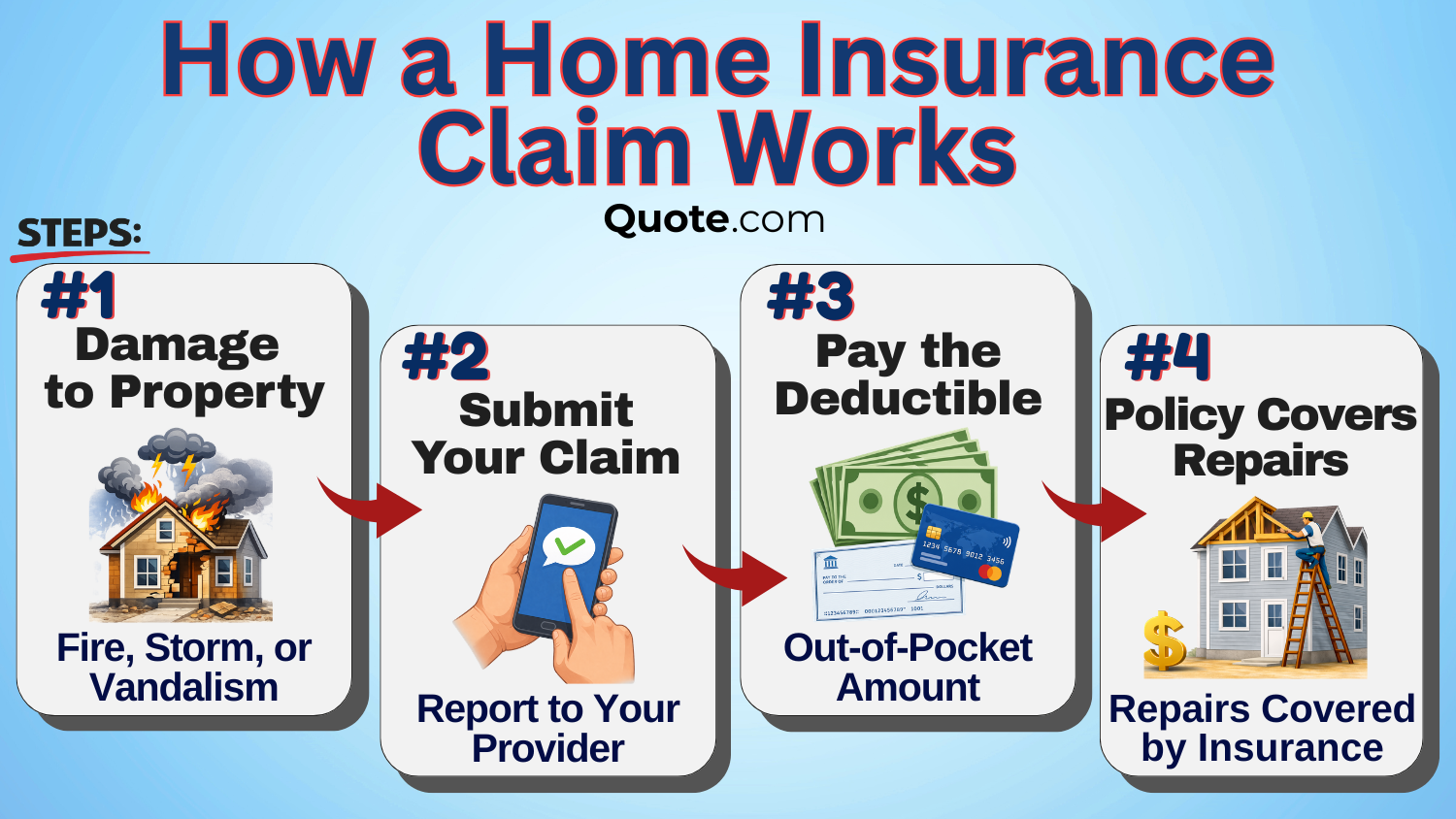
If your home is damaged by a covered event, filing a dwelling coverage claim involves several steps to document the loss, process the claim, and start covered repairs or rebuilding work:
- Document Damage: Document all property damage caused by fire, storms, vandalism, or other covered events by taking photos and saving repair estimates.
- File Claim: Contact your insurance company and provide details about the damage, along with photos and supporting documents.
- Meet Adjuster: Once you file a claim, an adjuster will come to your property to inspect the damage and go over policy details.
- Pay Deductibles: Cover the required out-of-pocket deductible amount before insurance payments apply to repairs.
- Policy Covers Repairs: Once approved, dwelling coverage for home insurance helps pay for repairs or rebuilding costs.
Filing a dwelling insurance claim can help homeowners recover repair or rebuilding costs after covered damage affects the structure of a home.
Claims are commonly filed for damage caused by fire, storms, hail, vandalism, burst pipes, and other covered events that impact permanent parts of the property.
Common Dwelling Coverage Claim Examples| Cause | Outcome |
|---|---|
| Break-In | Damage to doors or windows |
| Burst Pipe | Water damages walls or floors |
| Falling Debris | Objects hit roof or structure |
| Fire Damage | Resulting fire or smoke damage |
| Gas Explosion | Explosion damages the structure |
| Hail Damage | Hail dents roof or home siding |
| Heavy Snow | Snow causes roof collapse |
| Lightning Strike | Electrical wiring is damaged |
| Severe Storm | Wind lifts shingles or siding |
| Vandalism | Intentional property damage |
| Water Leak | Leaks damage walls or ceilings |
These incidents can weaken the structure or leave it exposed to further damage if not repaired quickly.
Busted pipes or constant leaks can lead to water seeping into walls, ceilings, and floors, while one lightning strike can cause electrical havoc throughout the home.
Break-ins and vandalism can lead to visible structural damage, and more severe events such as fires or explosions may affect multiple areas at once, which are typically covered under hazard insurance.
In each case, coverage focuses on repairing or rebuilding the parts of the home that are fixed in place so it remains safe and livable.
Get the Right Dwelling Coverage for Homeowners
Home insurance costs vary by coverage, deductibles, and rebuild expenses, with rates starting around $45 per month from the best home insurance companies.
Dwelling coverage for homeowners focuses on protecting the structure itself, and comparing different dwelling policies can help ensure your coverage matches actual rebuild costs and protection needs.
It provides strong structural protection with flexible coverage and deductible options and affordable entry-level rates, but higher coverage raises premiums, excludes personal belongings, and varies in cost by location and home features.
Protect your home with confidence. Find a reputable company providing the full coverage you need at low rates by using our free quote comparison tool.
Frequently Asked Questions
What is dwelling coverage in homeowners insurance?
Dwelling coverage in homeowners insurance protects the physical structure of your home, including walls, roof, and built-in systems. It covers the cost to repair or rebuild your home if it’s damaged by covered events like fire, storms, or vandalism.
What does dwelling coverage actually cover?
Dwelling coverage covers the cost to repair or rebuild your home from risks including fire, storms, vandalism, and some types of water damage. It can help pay to repair or replace the physical aspects of your home after a covered loss.
What’s not covered by dwelling coverage?
Dwelling coverage does not include personal property, land, or detached structures not permanently connected to the home.
Explore our guide: Does Home Insurance Cover Wildfires?
Does dwelling coverage cover roof damage?
Yes, dwelling coverage includes the roof since it’s a permanent part of your home’s structure. It typically covers repair or replacement if the roof is damaged by covered events like storms, fire, or falling debris.
Does dwelling coverage cover personal belongings?
No, dwelling coverage does not include personal belongings. It only covers the structure of your home, while items inside are protected under personal property coverage.
Find the cheapest dwelling coverage for homeowners today by entering your ZIP code into our free comparison tool.
Is dwelling coverage the same as homeowners insurance?
Dwelling coverage is one part of a full homeowners insurance policy and can affect overall home insurance premiums. It protects the structure of your home, while a full policy can also cover your belongings, liability, and living expenses after a covered loss.
How much dwelling coverage do I need?
Your dwelling coverage should be enough to fully rebuild your home after a covered loss, not cover its market value. The amount you need depends on factors like your home’s size, building materials, and local construction costs.
Should dwelling coverage be equal to home value?
Dwelling coverage should be based on your home’s rebuild cost, not its market value. Rebuild costs focus on labor and construction expenses needed to repair or rebuild the home after covered damage.
How is dwelling coverage calculated?
Dwelling coverage is based on how much it would cost to rebuild your home using current labor and material prices. Our guide, how much homeowners insurance do you need, explains how home size, features, and construction costs affect coverage limits.
How can I tell if I have enough dwelling coverage?
You likely have enough dwelling coverage if your policy can fully pay to rebuild your home at current construction costs. Reviewing your coverage regularly can help keep it aligned with rising labor and material prices.
Secure cheap insurance for your home by entering your ZIP code into our free quote comparison tool.
Can I increase my dwelling coverage limits?
What happens if I don’t have enough dwelling coverage?
Is dwelling coverage legally required?
Related Articles
-
Jul 2026

9 Best Home Insurance Companies in 2026
-
Jul 2026
Best Home Insurance for New Construction in 2026
-
Aug 2026
Best Home Insurance in North Dakota for 2026
-
Oct 2025
Best Home Insurance for High-Value Properties in 2026
-
Jun 2026

Best Home Insurance for First-Time Buyers: Top-Rated Coverage (2026)
-
Sep 2026
Best Home Insurance in Alaska for 2026






Get a FREE Quote in Minutes
Insurance rates change constantly — we help you stay ahead by making it easy to compare top options and save.