How to Switch Homeowners Insurance: 6 Steps to Change Providers & Save (2026)
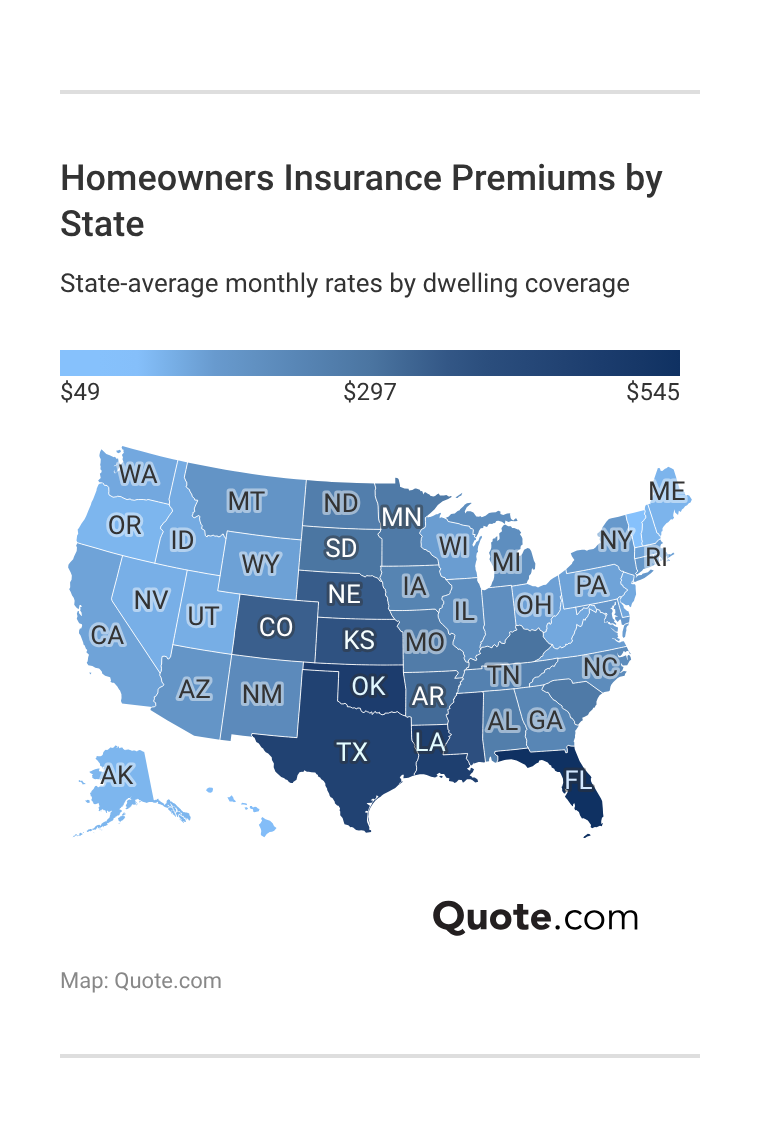
To switch homeowners insurance policies, homeowners should review their current policy and mortgage before shopping. Home insurance rates can start as low as $49 a month, so ensure you aren't overpaying. However, homeowners should make sure they don't compromise on protection when switching homeowners policies.
Read more





Table of Contents
Table of Contents

Insurance Copywriter
Malory Will has an M.A. in English from Arizona State University. She has over four years of experience in writing for the insurance industry. With a background in health, auto, life, and homeowners insurance, Malory is passionate about making complex insurance topics clear and approachable. Her goal is to help readers make informed decisions with confidence.
Malory Will

Managing Editor
Laura Kuhl holds a Master’s Degree in Professional Writing from the University of North Carolina at Wilmington. Her career began in healthcare and wellness, creating lifestyle content for doctors, dentists, and other healthcare and holistic professionals. She curated news articles and insider interviews with investors and small business owners, leading to conversations with key players in the le...
Laura Kuhl

Commercial Lines Coverage Specialist
Michael Vereecke is the president of Customers First Insurance Group. He has been a licensed insurance agent for over 13 years. He also carries a Commercial Lines Coverage Specialist (CLCS) Designation, providing him the expertise to spot holes in businesses’ coverage. Since 2009, he has worked with many insurance providers, giving him unique insight into the insurance market, differences in ...
Michael Vereecke
Updated June 2026
When switching homeowners insurance, homeowners should review their current policies and mortgages before buying a new policy.
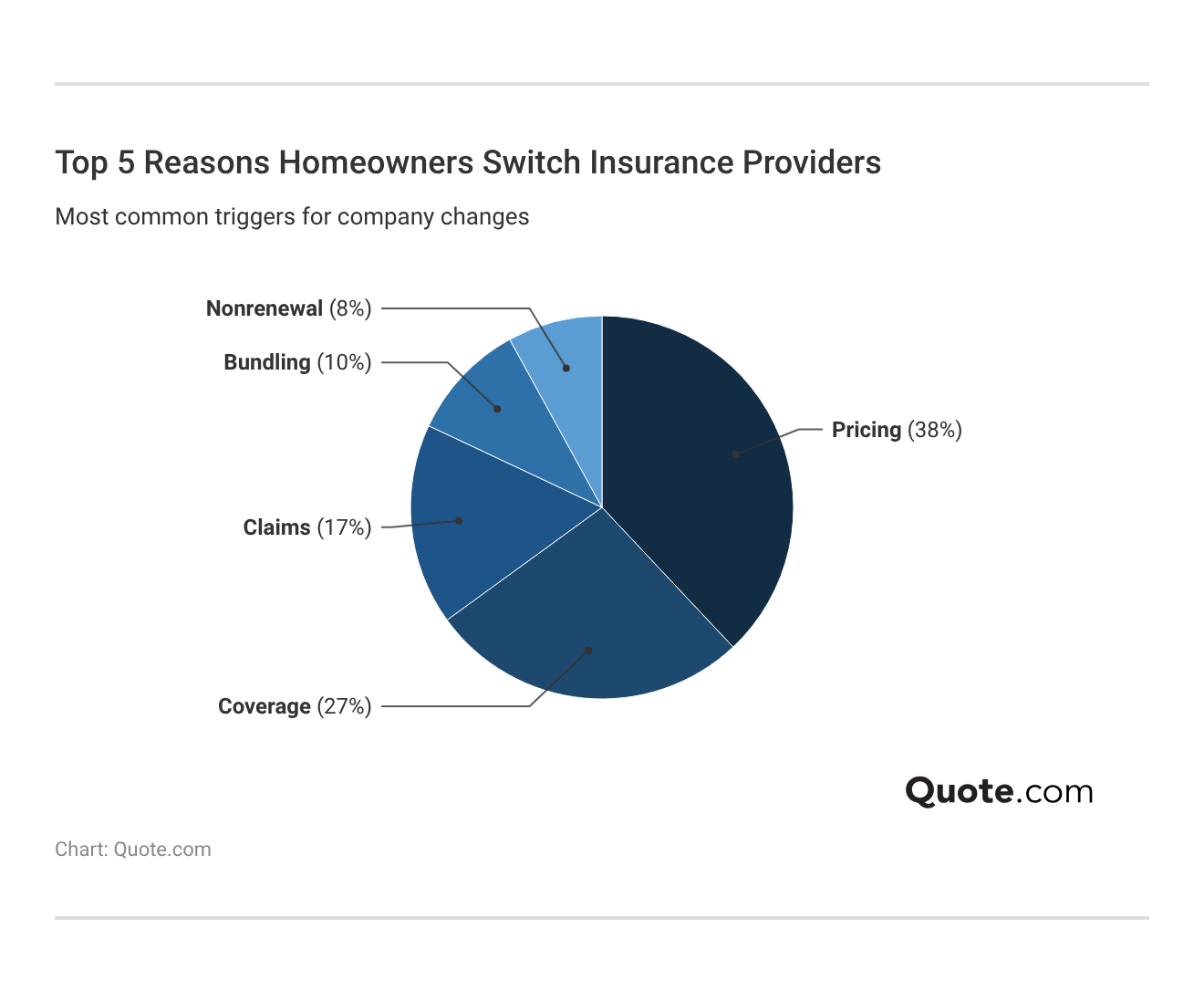
- Pricing is the most common reason for switching companies
- Vermont has the lowest home insurance rates at $49 a month
- Homeowners should purchase a new policy before canceling
Homeowners should also be careful to avoid a coverage lapse by canceling their existing policy only after their new policy starts.
Making a switch to a different home insurance company can have several benefits for homeowners.
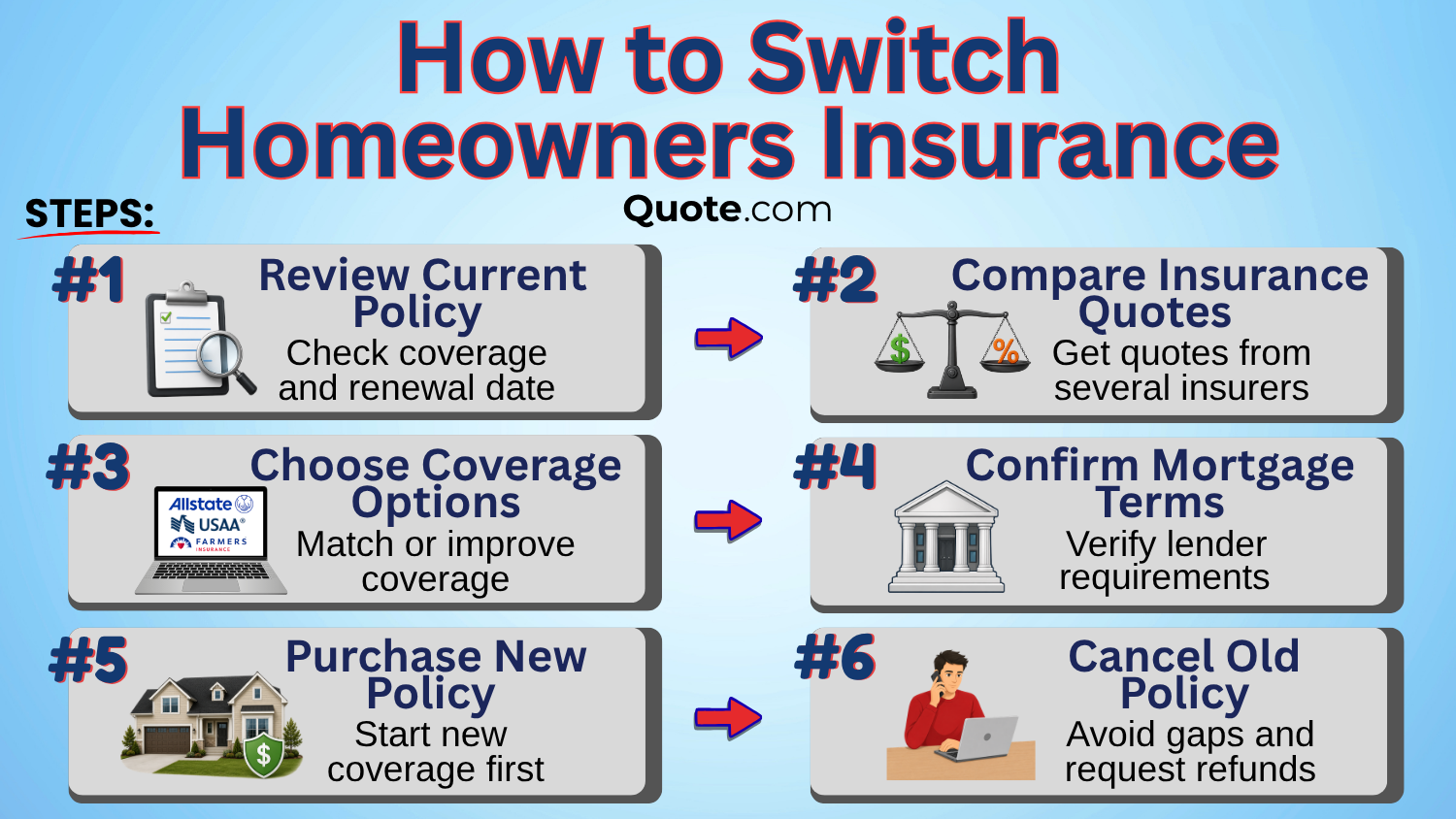
How to Switch Homeowners Insurance Providers| Step | Action | Details |
|---|---|---|
| #1 | Review current policy | Check renewal and coverage |
| #2 | Compare insurance quotes | Gather quotes and pricing |
| #3 | Choose coverage options | Match current protection |
| #4 | Confirm mortgage rules | Review lender requirements |
| #5 | Purchase new policy | Start new coverage first |
| #6 | Cancel old policy | Avoid gaps and get refunds |
Advantages of switching range from lowering your home insurance rates to improving the level of protection of your home.
Our guide covers everything you need to know about switching home insurance providers, from common mistakes to avoid to average home insurance rates.
Want to jump right into shopping for an affordable home insurance provider? Enter your ZIP in our free quote tool.
6 Steps to Switching Home Insurance Providers
The process of changing homeowners insurance policies is generally straightforward for most customers.
Most homeowners can switch home insurance providers at any time. However, homeowners need to do it correctly to avoid coverage gaps, since lenders require home insurance. Learn More: Is home insurance required?
Homeowners in the process of switching providers should make sure that they review their current policy and compare free quotes online before switching.
Homeowners should also check with their mortgage lender to make sure their new policy meets the lender’s requirements. Read on for a full breakdown of each step in switching home insurance companies.
Step #1: Go Over Current Home Policy
The first step in shopping for a new home insurance provider is to review your existing policy. You can access all your home insurance information on your insurance declaration page.
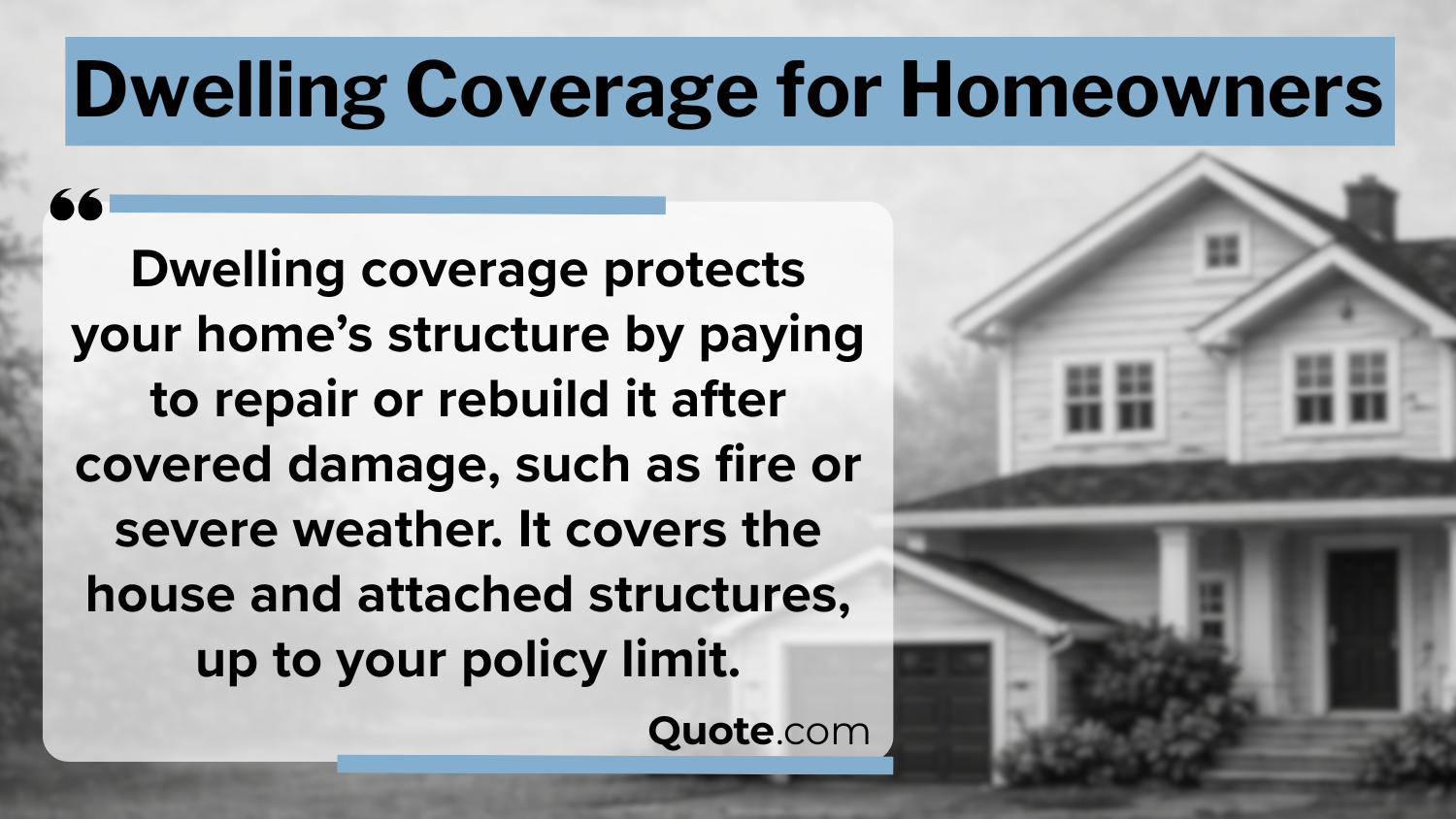
You will want to check details like your dwelling coverage limits, deductibles, and renewal date.
Understanding your current home insurance policy makes sure you don't accidentally reduce important coverages.
Daniel Walker Licensed Insurance Agent
You can use this information to compare your current policy to other offers. It will help you determine if a different provider offers a better deal on coverage.
Any fees for canceling early will also be listed on the home insurance declaration page. Usually, a fee is only charged if a homeowner cancels before the end of a policy period.
Step #2: Get Several Quotes for Home Insurance
Homeowners looking to reduce their home insurance costs should take the time to compare quotes from several companies. We recommend getting quotes from at least three insurance providers. Enter your ZIP code to get free quotes now.
When requesting quotes, make sure you enter the information correctly, so you get a more accurate estimate. There will be several factors that affect your quote.

Some of the biggest factors that will affect the home insurance quotes are your home’s age, your claims history, and your coverage level. Learn about how to compare premiums: How to Compare Home Insurance Quotes
If you are getting high quotes, comparing rates after making improvements to your home could result in lower rates. For example, upgrading your roof before getting quotes could result in lower rates.
Step #3: Decide What Coverages You Need
It is also important to consider the coverages you want on your home insurance policy, especially if you want your new policy to provide the same level of protection as your old policy.
If you have recently made improvements to your home, such as expensive upgrades, you may also want to look for higher coverage levels.
Make sure to let your homeowner’s company know about any significant changes to your home.
Having the right homeowners insurance coverage on your home is vital to make sure you are financially protected.
In fact, coverage is the second most common reason homeowners switch, accounting for 27% of company switches.
Homeowners may switch to better coverage for several reasons. For example, homeowners may have made upgrades to their home and need a higher level of protection than their current company offers.
Homeowners in high-risk areas may also be struggling to find coverage for their homes, such as homeowners in high-risk flood areas. In some cases, homeowners may have to get coverage through a national insurance program, like the FEMA National Flood Insurance Program for homeowners who can’t get coverage through normal insurers.
Step #4: Review Home Mortgage Terms
If you own your home outright and don’t have a mortgage, you won’t need to worry about checking your home mortgage terms. However, most homeowners will need to do this step.
If you have a mortgage, your lender has specific requirements for loan holders regarding the homeowners insurance coverage they must carry.
You should always verify your lender’s insurance requirements before signing up for a new policy to make sure you are getting the correct coverage.
The last thing you want is to buy a new policy that doesn’t meet your lender’s requirements.
Lenders will force homeowners to pay for insurance if homeowners are uninsured or drop required coverages, so it is important to consult your lender.
Dani Best Licensed Insurance Producer
Your new insurance company can help ensure you purchase the right types of insurance per your lender’s requirements. Read More: Types of Home Insurance
Once you provide proof of the necessary insurance coverage, you won’t have to worry about force-placed insurance.
Step #5: Buy Your New Home Insurance Policy
Before canceling your existing home insurance policy, it is important to purchase your new policy first. This way, there is no lapse in protection.
When selecting a new home insurance policy, it is important to carefully consider several factors of the company and the policy. By doing this, you can ensure that you are getting coverage from one of the best home insurance companies.
What to Compare Before Switching Homeowners Insurance| Feature | Compare | Impact |
|---|---|---|
| Added Coverages | Extra policy add-ons | Protects valuables |
| Claims Support | Claims response speed | Improves claim help |
| Coverage Amount | Dwelling coverage limit | Prevents underinsurance |
| Coverage Caps | Maximum payout caps | Prevents low payouts |
| Deductible Cost | Out-of-pocket costs | Reduces upfront pay |
| Effective Date | New policy start date | Prevents coverage gaps |
| Financial Rating | Company financials | Shows insurer trust |
| Liability Limits | Personal injury limits | Limits lawsuit risk |
| Living Costs | Temporary housing aid | Covers hotel stays |
| Policy Discounts | Multi-policy savings | Lowers policy cost |
| Policy Exclusions | Damage not covered | Avoids surprise gaps |
| Premium Pricing | Monthly premium cost | Helps budget costs |
| Rebuild Coverage | Home rebuild payouts | Funds major repairs |
| Replacement Cost | Claim settlement type | Affects claim payouts |
| Service Ratings | Customer support help | Improves support care |
For example, you will want to look at additional endorsements offered by the company, their claims response ratings, and more.
Taking the time to research company ratings and policy features will help you avoid having to switch again in the near future because you are unsatisfied with the services.
Step #6: Cancel Your Old Homeowners Coverage
The final step in switching home insurance providers is to cancel your old home insurance policy.
When canceling with your insurance, make sure that you receive confirmation of the cancellation. You will want to keep the cancellation notification for your records.
Required Documents for Switching Homeowners Insurance| Paperwork | Purpose |
|---|---|
| Cancellation Notice | Confirm policy termination |
| Declarations Page | Verify current coverage |
| Mortgage Details | Update lender information |
| New Policy Binder | Confirm active coverage |
| Refund Statement | Track returned premium |
You will also want to keep your new insurance documentation page, your mortgage details, and other important paperwork regarding your home insurance.
Having this information makes it easily accessible in case you need to reference it in the future. This is especially important if you have unresolved claims with your old insurance company, as you will still be working with them until the claim is resolved.
Related: Clue Report: How Claims History Affects Insurance Rates
Free Home Insurance Comparison
Compare Quotes From Top Companies and Save
Comparing Home Insurance Prices Before Switching
The cost of home insurance varies based on several factors, such as location, insurer, and coverage limits. If you are moving to a new state, you can expect a premium change based on local risk factors when shopping for the best home insurance rates by state.
The insurance company you choose can have a big impact on your home insurance rates. On average, Travelers and Progressive have among the lowest home insurance rates.
Homeowners Insurance Monthly Rates by Dwelling Coverage| Company | $200K | $300K | $400K | $500K |
|---|---|---|---|---|
 | $151 | $194 | $238 | $292 |
 | $163 | $236 | $304 | $385 |
 | $161 | $236 | $310 | $420 |
 | $131 | $210 | $299 | $417 |
 | $148 | $214 | $286 | $366 |
 | $118 | $172 | $229 | $295 |
 | $109 | $169 | $227 | $325 |
 | $105 | $147 | $185 | $233 |
 | $109 | $153 | $186 | $243 |
 | $103 | $131 | $153 | $201 |
Companies that tend to have higher average rates include companies like Auto-Owners Insurance. Rates for a $200K average $161 per month at Auto-Owners Insurance.
In addition to your choice of company and the amount of dwelling coverage you need, the area you live in will also impact home insurance rates. This is due to factors like crime and weather.
Some of the states with the highest home insurance rates include Florida and Texas. Enter your ZIP code to compare rates in your state right now.
Cheap states, on the other hand, include states like Vermont and Oregon. Related: Best Home Insurance in Vermont
Reducing Your Home Insurance Costs
Switching home insurance providers is often one of the most effective ways to reduce rates, but there are other ways homeowners can save.
For example, homeowners can ask their company for discounts to see if there are ways to reduce rates without compromising coverage.

A popular discount is a home and auto insurance bundling discount. To qualify for this discount, a homeowner must purchase both plans from the same company. Find out more: Best Auto and Home Insurance Bundles
There may also be other small home insurance discounts, like pay-in-full or paperless discounts. Even small discounts can add up to significant savings over time for homeowners.
Homeowners can also improve their credit score, increase their deductibles, or improve their home security to reduce their rates.
For example, installing a smart home security device reduces the risk of break-ins and theft, which can lower your rate. If you have installed any home security measures, make sure to let your company know.
What to Know Before Switching Insurance Providers
It is important to avoid common mistakes when switching policies to ensure a smooth transition between companies.
For example, canceling too early, before your new home insurance policy starts, will leave you with a coverage gap. If something happens to your home during the coverage gap, you won’t be protected and will be stuck paying the costs out of pocket.
Common Mistakes to Avoid When Switching Home Insurance| Mistake | Risk | Tips |
|---|---|---|
| Canceling Too Early | Coverage gap | Start new policy first |
| Choosing Price Only | Reduced protection | Balance cost and coverage |
| Coverage Mismatch | Protection shortfall | Match limits and deductibles |
| Ignoring Exclusions | Claim denial risk | Review policy exclusions |
| Not Informing Lender | Mortgage issues | Notify lender promptly |
| Overlooking Refunds | Lost savings | Request prorated refund |
Not notifying your lender is another common mistake and can result in issues with your mortgage.
Lenders typically require homeowners to have continuous insurance coverage. Issues with a homeowners insurance could lead lenders to assign force-placed insurance to a homeowner, which is typically much more expensive.
And although you can switch your home insurance policy at any time, some times are better than others for savings on home insurance premiums.
For example, you may want to get a new policy after renovations are complete if you are making home upgrades. This will ensure that you get the lowest quote possible.
Best Times to Switch Homeowners Insurance| Timing | Advantage |
|---|---|
| After Home Upgrades | Qualify for lower insurance rates |
| After Rate Increases | Find opportunities to lower costs |
| Before Policy Renewal | Compare rates before policy renews |
| Clean Claims History | Access more competitive pricing |
| Coverage Changes | Update protection for current needs |
| When Bundling Policies | Maximize multi-policy discounts |
Homeowners who get multiple quotes can rest easy knowing they scored the best rate possible.
Use our free quote tool to start shopping for home insurance quotes today. It will help you find the best deal on home insurance in your area.
Frequently Asked Questions
Can I change my homeowners insurance at any time?
Yes, you can switch your home insurance policy at any time. However, you may be charged an early cancellation fee if you cancel before the end of your policy period.
How do you change home insurance with a mortgage?
The process of how to change homeowners insurance with a mortgage is what we’ve outlined in our guide. You will need to make sure that you check your mortgage requirements before purchasing a policy, and let your lender know you got a new policy. To find the lowest home insurance rate in your area, enter your ZIP in our free tool.
Is there a downside to switching home insurance?
For most homeowners, switching home insurance policies can lead to better rates and coverage. However, homeowners need to be careful to do their research beforehand. For example, they should ensure they receive comparable coverage and research the company’s reputation before signing up for a new policy.
This will help customers avoid common risks of changing home insurance companies, such as signing up with a disreputable company or getting inadequate coverage. Shopping with the cheapest home insurance companies can help customers save, no matter how much coverage they need.
Does it cost money to switch homeowners insurance?
No, it does not cost money to switch home insurance policies in most cases. However, customers who switch before the end of a policy period may be charged an early cancellation fee.
Do you get penalized for switching home insurance?
No, you do not get penalized for switching home insurance. Your current provider may charge an early cancellation fee if you cancel before the end of a policy period.
Is there a home insurance inspection when you switch companies?
There may be a switching homeowners insurance inspection, but it depends on the company. Home insurance companies may conduct a general inspection of a home’s exterior to check for obvious hazards, such as dead trees or roof damage.
The home inspection can affect rates, for example, if a roof inspection reveals it has been poorly maintained. See More: How Roof Inspections Affect Home Insurance
Can you switch homeowners insurance after a claim?
Yes, you can switch home insurance providers even after filing a claim. If your claim is still ongoing, your old company will continue to handle it. If you need to find a new provider after a claim, enter your ZIP in our free quote tool.
Do you get a refund if you cancel homeowners insurance?
If you paid in full for your coverage and cancel before the end of your policy period, then you may be entitled to a refund. Check the details of your policy for cancellation terms.
What are valid reasons for a home insurance policy cancellation?
Common policy cancellation reasons include finding a better rate or discount, moving, and nonrenewal. Related: Best Home Insurance Discounts
How can I lower my home insurance cost?
You can lower your home insurance rates by switching providers, applying for discounts, raising your deductible, and taking other simple steps.
What is the 80% rule for home insurance?
Is an older house more to insure?
How much is homeowners insurance on a $400,000 house?
Related Articles




Get a FREE Quote in Minutes
Insurance rates change constantly — we help you stay ahead by making it easy to compare top options and save.