How Roof Inspections Affect Home Insurance: Cost & Coverage Impact in 2026
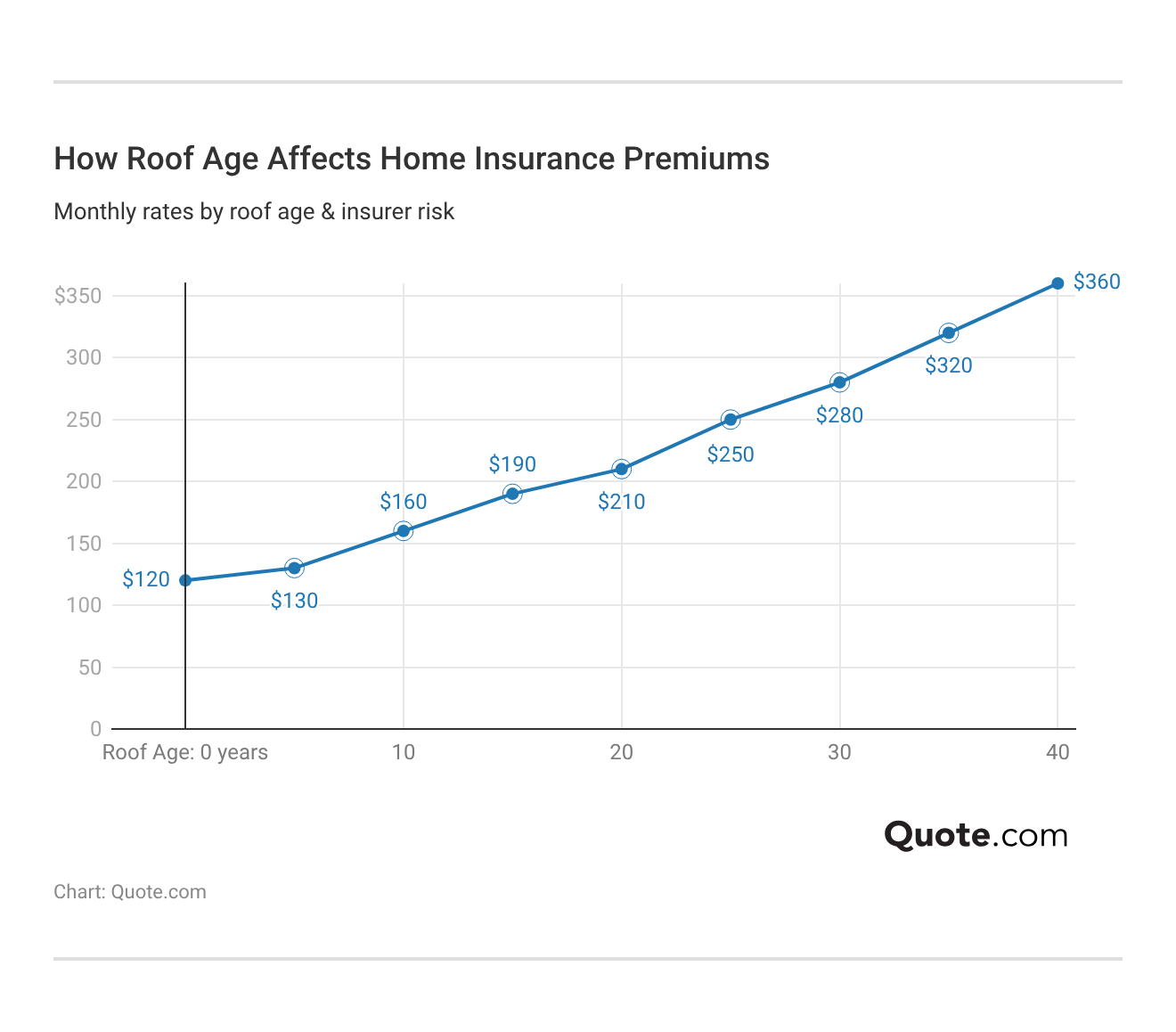
A roof insurance inspection can increase monthly premiums from $120 to $360 for older homes. How roof inspections affect home insurance depends on roof age, storm damage, and roofing materials. Homeowners with newer, well-maintained roofs are more likely to qualify for lower rates and smaller out-of-pocket costs.
Read more





Table of Contents
Table of Contents

Insurance and Finance Expert
Maria Hanson grew up with a unique passion and understanding of both the automotive and insurance industries. With one grandfather in auto mechanics and another working in insurance, you could say automotive insurance is in her blood. Her love of research and finance serves her well in studying insurance trends and liability. Maria has expanded her scope of expertise to home, health, and life i...
Maria Hanson

Managing Editor
Laura Kuhl holds a Master’s Degree in Professional Writing from the University of North Carolina at Wilmington. Her career began in healthcare and wellness, creating lifestyle content for doctors, dentists, and other healthcare and holistic professionals. She curated news articles and insider interviews with investors and small business owners, leading to conversations with key players in the le...
Laura Kuhl

Licensed Insurance Broker
Zach Fagiano has been in the insurance industry for over 10 years, specializing in property and casualty and risk management consulting. He started out specializing in small businesses and moved up to large commercial real estate risks. During that time, he acquired property & casualty, life & health, and surplus lines brokers licenses. He’s now the Senior Vice President overseeing globa...
Zach Fagiano
Updated May 2026
Roof inspections affect home insurance by helping insurers measure roof condition, storm damage risk, and future claim costs.
- Roofs over 20 years old often come with higher insurance costs
- Metal and impact-resistant roofs may qualify for lower premiums
- Storm damage and worn shingles can reduce roof claim payouts
Older roofs often lead to higher premiums, lower claim payouts, and stricter coverage limits after inspection.
Is home insurance required before a roof inspection? Coverage rules vary by insurer, but newer roofs and impact-resistant materials may qualify for lower rates and broader protection after inspection.
Read on to learn how roof inspections affect coverage, claim payouts, and monthly insurance costs. Enter your ZIP code in our free comparison tool to compare home insurance quotes from companies in your area.
Why Homeowners Insurance Companies Inspect Roofs
Older homes often cost more to insure because aging roofs are more likely to leak or suffer storm damage. Roof inspections help insurers measure that risk, especially in areas with hail, strong winds, and wildfires.
Roofs built with stronger materials may qualify for lower rates and fewer coverage restrictions.
When Roof Inspections Are Required for Home Insurance| Situation | Inspection Type | Insurance Purpose |
|---|---|---|
| After Damage | Assess exterior damage | Support claim review |
| Filing a Claim | Review claim details | Confirm claim history |
| High-Risk Areas | Evaluate regional risks | Measure regional risk |
| Home Purchase | Verify buyer approval | Verify roof condition |
| New Coverage | Check coverage terms | Approve new policy |
| Policy Change | Review policy updates | Update policy terms |
| Policy Renewal | Reassess roof condition | Confirm plan renewal |
| Roof Age (15+ yrs) | Estimate roof lifespan | Estimate future risk |
| Switching Insurers | Check current condition | Compare insurer rules |
Older roofing materials may also limit homeowners to actual cash value coverage instead of full replacement cost protection after a claim, which can increase home insurance costs.
Scheduling an insurance roof inspection may help homeowners catch roofing problems before insurers reduce coverage or increase deductibles.
Insurers often pay close attention to roofs in storm-prone regions where hail, hurricanes, or wildfires increase the chances of major losses.
Many homeowners ask if insurance covers roof inspections after storms, but coverage usually only applies when the inspection is tied to a covered roof insurance claim.
What Insurers Look for During Roof Inspections
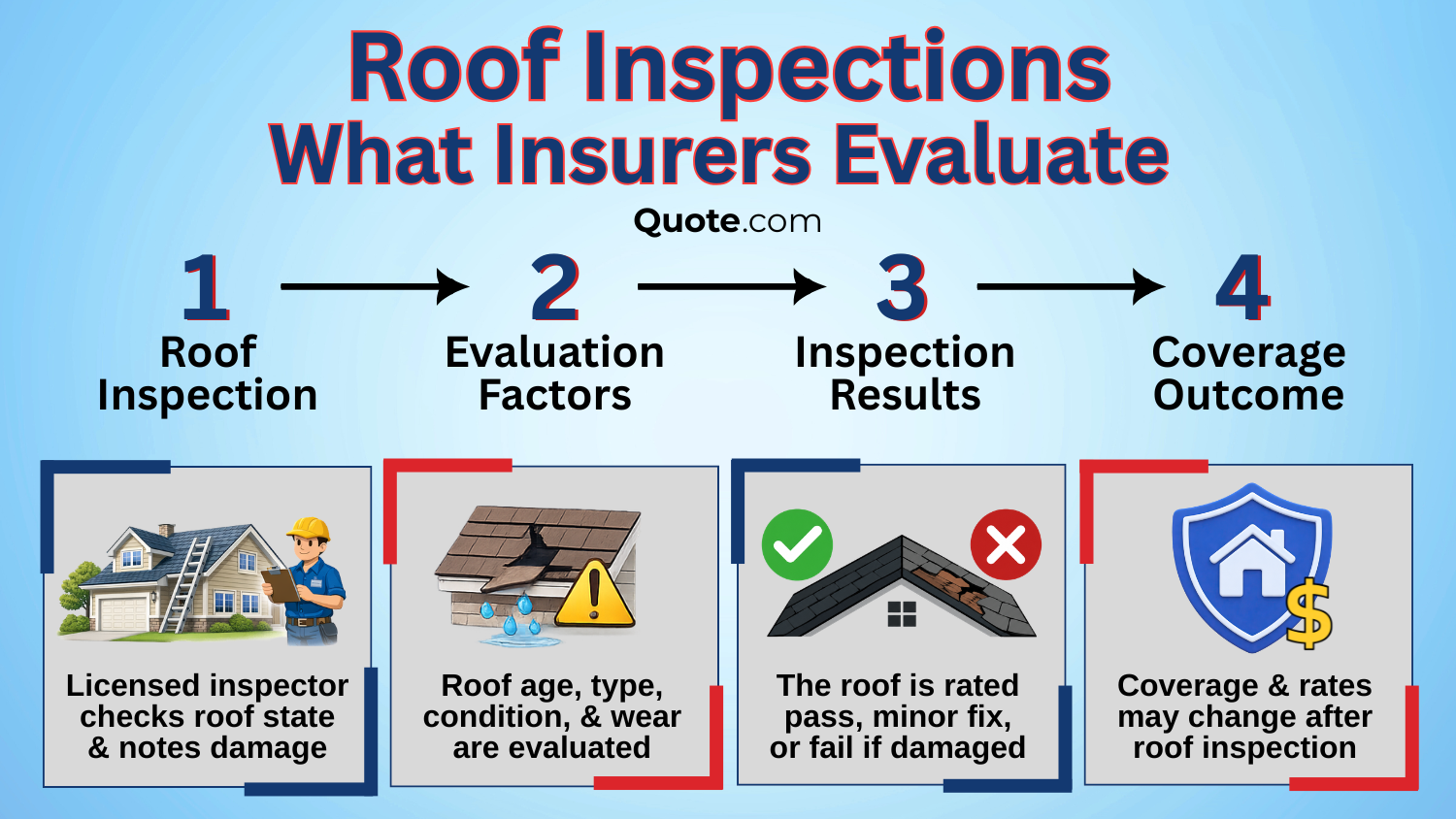
Roof insurance inspections can affect premiums, deductibles, claim payouts, and coverage limits, especially for older homes or properties in severe weather areas. Insurance companies often check for:
- Aging Materials: Curled shingles, cracked tiles, worn flashing, and weak roofing sections.
- Weather Damage: Hail marks, lifted shingles, wind damage, and signs of past storm repairs.
- Leaks Inside the Home: Water stains, attic moisture, mold, and soft spots caused by roof leaks.
- Drainage Issues: Standing water, blocked gutters, and poor ventilation that trap moisture.
- Roof Replacement Risk: The age of your roof and its overall condition before approving or renewing coverage.
Keeping up with roof repairs may help homeowners avoid higher premiums or coverage limits. Regular inspections can also catch smaller roofing problems before repair costs increase. Don’t Miss It: Best Insurance for High-Risk Homes
Roof age and roofing materials can affect both insurance rates and coverage limits, so comparing home insurance quotes after a home insurance inspection may help homeowners find lower rates.
Free Home Insurance Comparison
Compare Quotes From Top Companies and Save
How Roof Inspections Affect Home Insurance Premiums
Older homes usually cost more to insure because aging roofs are more likely to leak or suffer storm damage. Insurance companies use roof inspections to check roof condition, roof age, and signs of wear before renewing coverage.
Inspection reports can reveal missing shingles, drainage issues, structural wear, and other damage that may lead to costly repairs. Newer roofs in good condition often qualify for lower premiums and better replacement cost coverage.
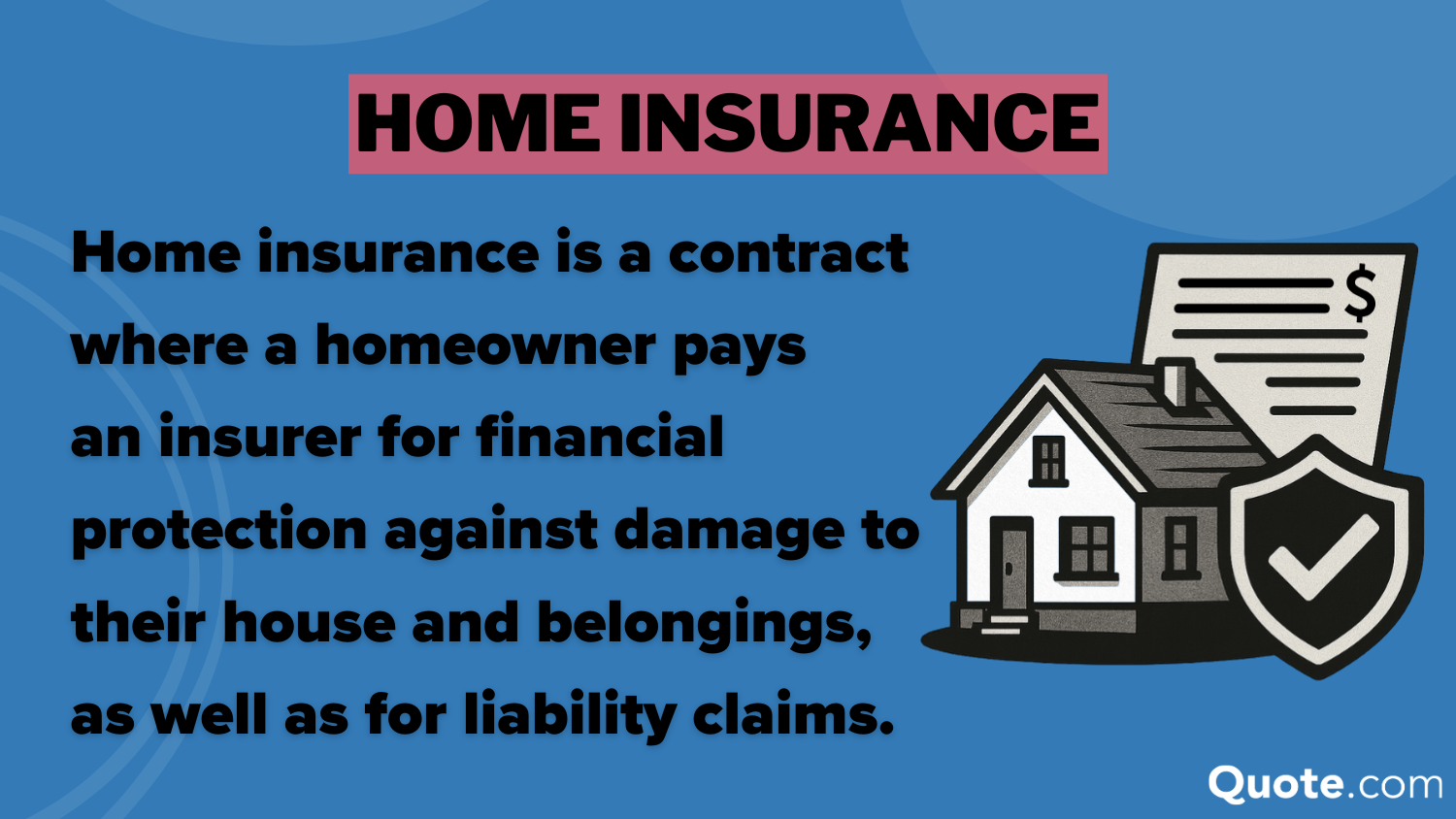
Older homes often cost more to insure because aging roofs are more likely to cause leaks and expensive claims. Reviewing dwelling coverage also helps homeowners understand how roof damage is covered after a loss.
A roof inspection report helps insurers identify storm damage, leaks, missing shingles, drainage problems, and structural wear that could lead to costly repairs.
Read More: Homeowners Insurance Coverage
How Roof Construction Impacts Premiums
Roofing materials can affect insurance costs and claim payouts. Homeowners should document roof damage before a roof inspection for an insurance claim after a storm.
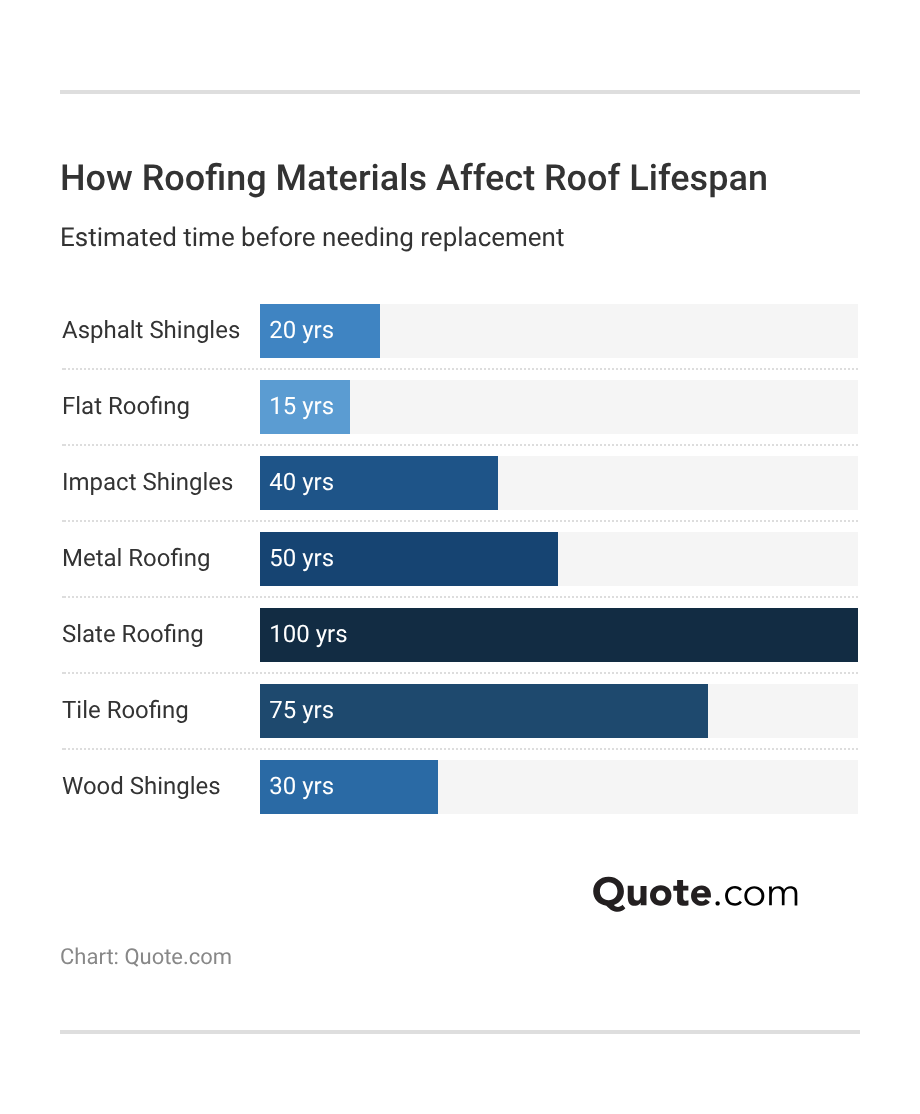
Metal and slate roofs often qualify for lower premiums because they hold up better against severe weather than standard asphalt shingles. Stronger roofing materials may also help homeowners maintain broader protection under hazard insurance policies.
How Roof Materials Affect Insurance Monthly Cost, Coverage, & Risk| Materials | Premium | Coverage | Risk |
|---|---|---|---|
| Asphalt Shingles | $180–$240 | Replacement cost | Low wind risk |
| Flat Roofing | $220–$330 | Limited coverage | Pooling risk |
| Impact Shingles | $140–$210 | Extended RC | Low hail risk |
| Metal Roofing | $160–$230 | Replacement cost | Low fire risk |
| Slate Roofing | $120–$190 | Guaranteed RC | Low storm risk |
| Tile Roofing | $130–$200 | Replacement cost | Cracking risk |
| Wood Shingles | $260–$340 | Actual cash value | Higher fire risk |
Slate roofs can last longer and may help lower replacement costs over time. Roof inspections after severe weather can also help homeowners spot hidden damage early.
Wood shingles create a higher fire risk and shorter lifespans, which can lead to higher premiums and actual cash value coverage instead of replacement cost protection. Homeowners should know what to expect during a professional roof inspection.
Flat roofs usually cost more to insure because standing water causes leaks. Impact-resistant shingles may qualify homeowners for lower deductibles and storm coverage.
Missing shingles, bruised flashing, and granule loss often point to storm damage. Homeowners adding solar panels should also know how roofing materials affect insurance coverage and maintenance, since solar panels lower your bills over time.
Why Older Roofs Increase Insurance Costs
Some homeowners are surprised to learn that a roof’s age can matter just as much as the damage itself when filing a claim or renewing a policy.
Roof age directly affects both home insurance premiums and the types of homeowners coverage you can qualify for. Newer roofs in excellent condition usually receive the lowest rates because insurers view them as less likely to generate expensive claims.
How Roof Age & Rating Affect Insurance Monthly Cost & Coverage| Age | Rating | Premium | Coverage |
|---|---|---|---|
| 0–10 years | Excellent | $120–$160 | Replacement cost |
| 10–20 years | Good | $160–$210 | Standard coverage |
| 20–30 years | Fair | $210–$280 | Actual cash value |
| 30+ years | Poor | $280–$360 | Limited or denied |
As roofs age, insurance premiums usually increase because aging materials are more likely to leak or sustain storm damage. Older roofs may also qualify for lower claim payouts.
Many insurance companies apply stricter underwriting rules once roofs reach certain ages, leading to inspections, higher deductibles, or limited coverage and payouts. Older roofs may also face non-renewal if inspections find visible damage or worn shingles.
Roof condition affects homeowners insurance, especially in areas with hail, hurricanes, or wildfires. Insurers in high-risk regions often limit coverage sooner on older roofs.
Keeping roofs maintained and replacing aging materials can help homeowners avoid coverage restrictions and control insurance costs. Comparing home insurance rates by state can also help homeowners understand how regional weather risks affect premiums.
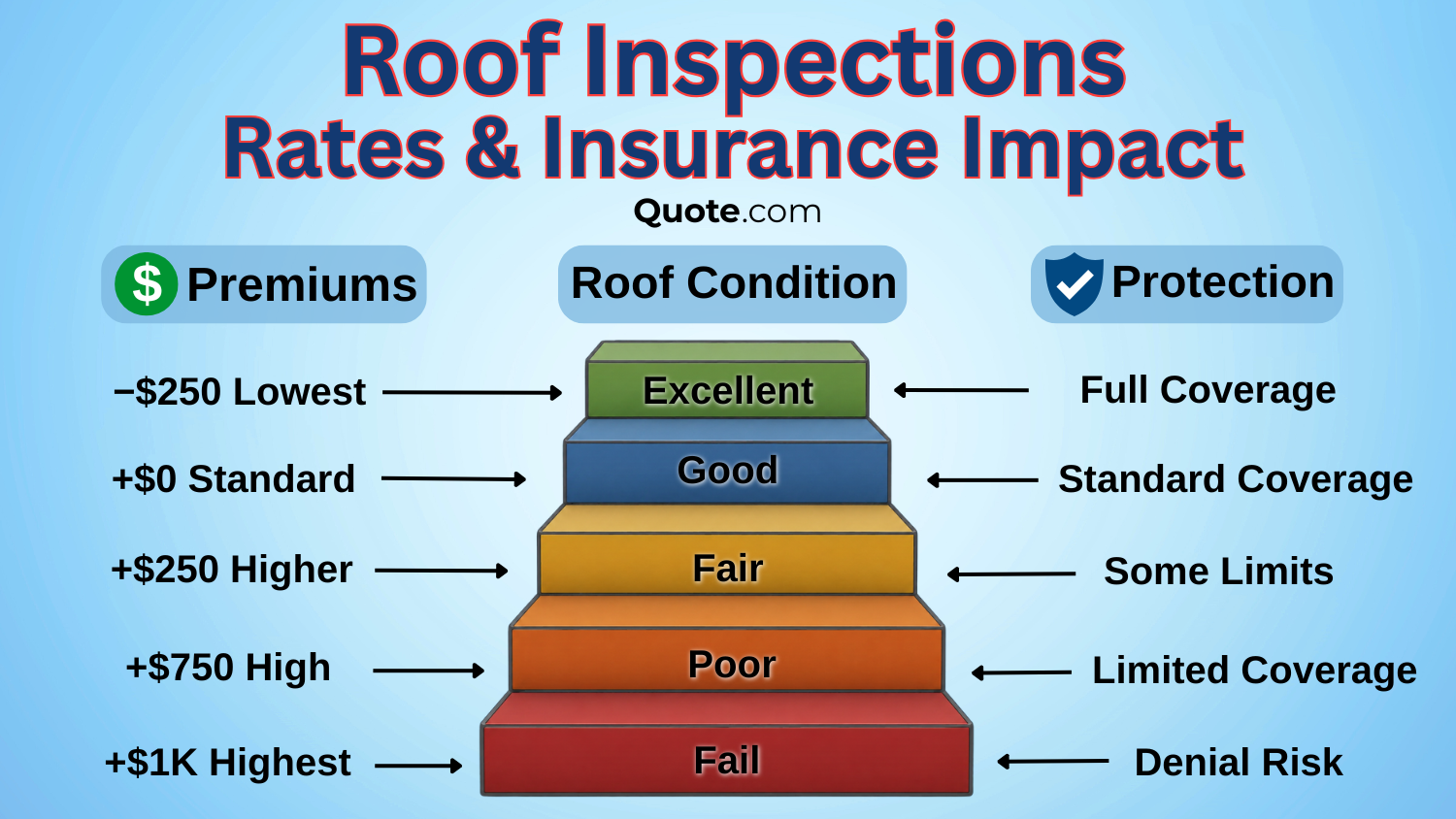
Inspections help uncover damage you can’t see from the ground, including leaks, and roof inspection records can also support claims and policy renewals.
Keeping inspection records and repair receipts may help homeowners qualify for better coverage. Well-maintained roofs can also help lower insurance costs over time.
Homeowners should review their roof coverage before filing a claim because older roofs may only qualify for actual cash value payouts, which can leave you paying thousands out of pocket after storm damage.
Jeff Root Licensed Insurance Agent
Even small upgrades, like replacing damaged shingles or improving roof ventilation, may help reduce future insurance concerns before they become an issue.
Understanding the impact of roofing on insurance premiums will help you unlock rewards for lower-risk homes, including better rates.
Comparing Roof Inspection Costs Across the U.S.
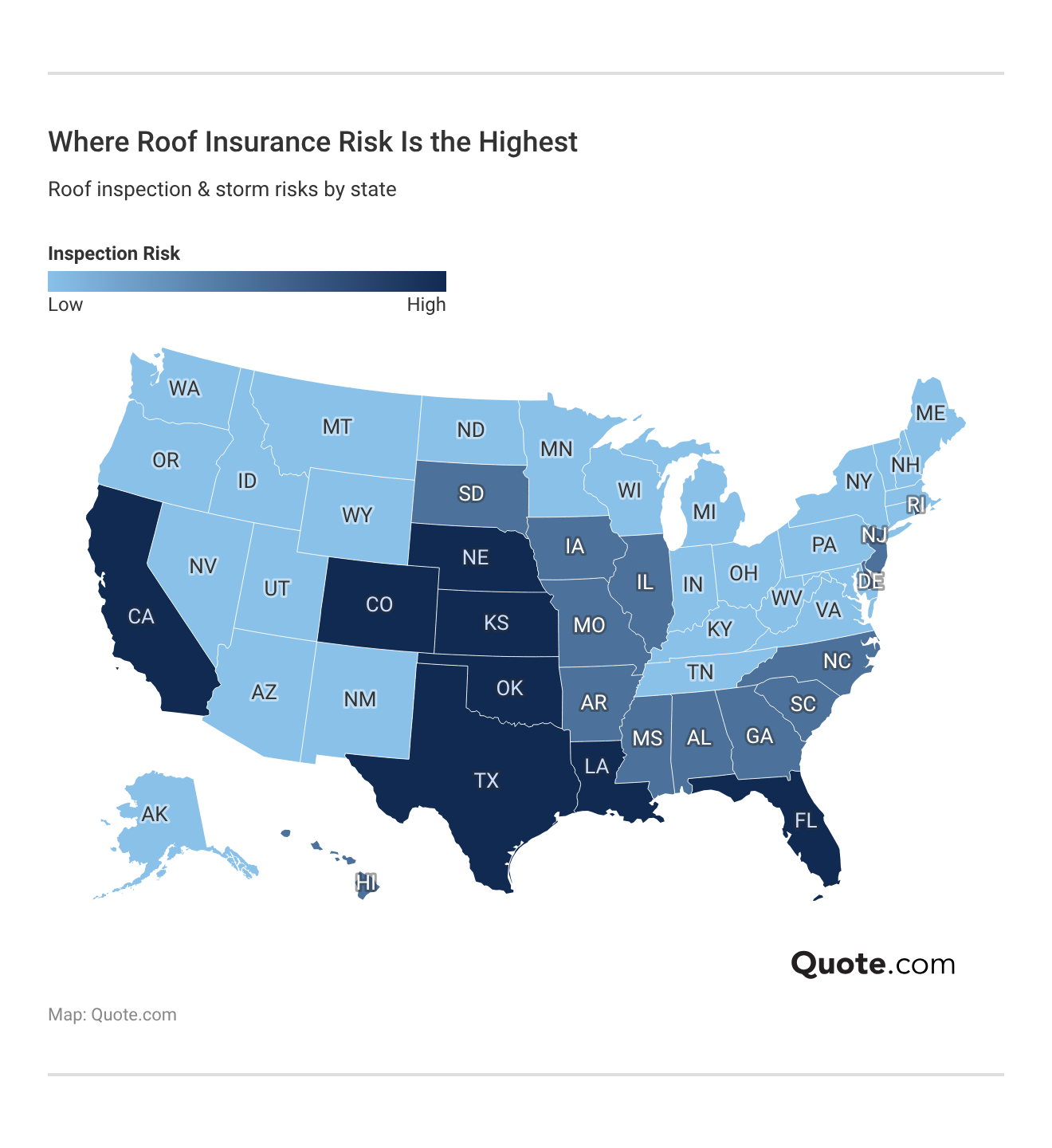
Roof insurance risk is often higher in states with frequent hail, hurricanes, and wildfires. Strong storms usually lead to more roof damage claims and higher insurance costs.
Homeowners in Texas, Florida, Oklahoma, Colorado, Louisiana, and parts of the Midwest face stricter inspections, higher premiums, and limited roof coverage from storms.
Homes in lower-risk states often qualify for cheaper home insurance rates, but insurance companies may require roof inspections before renewing older homes in high-risk areas.
In coastal areas, homeowners may also need flood insurance because policies do not cover flood damage to roofs. You’ll also see premiums rise if you have a flat roof because drainage problems can cause water damage.
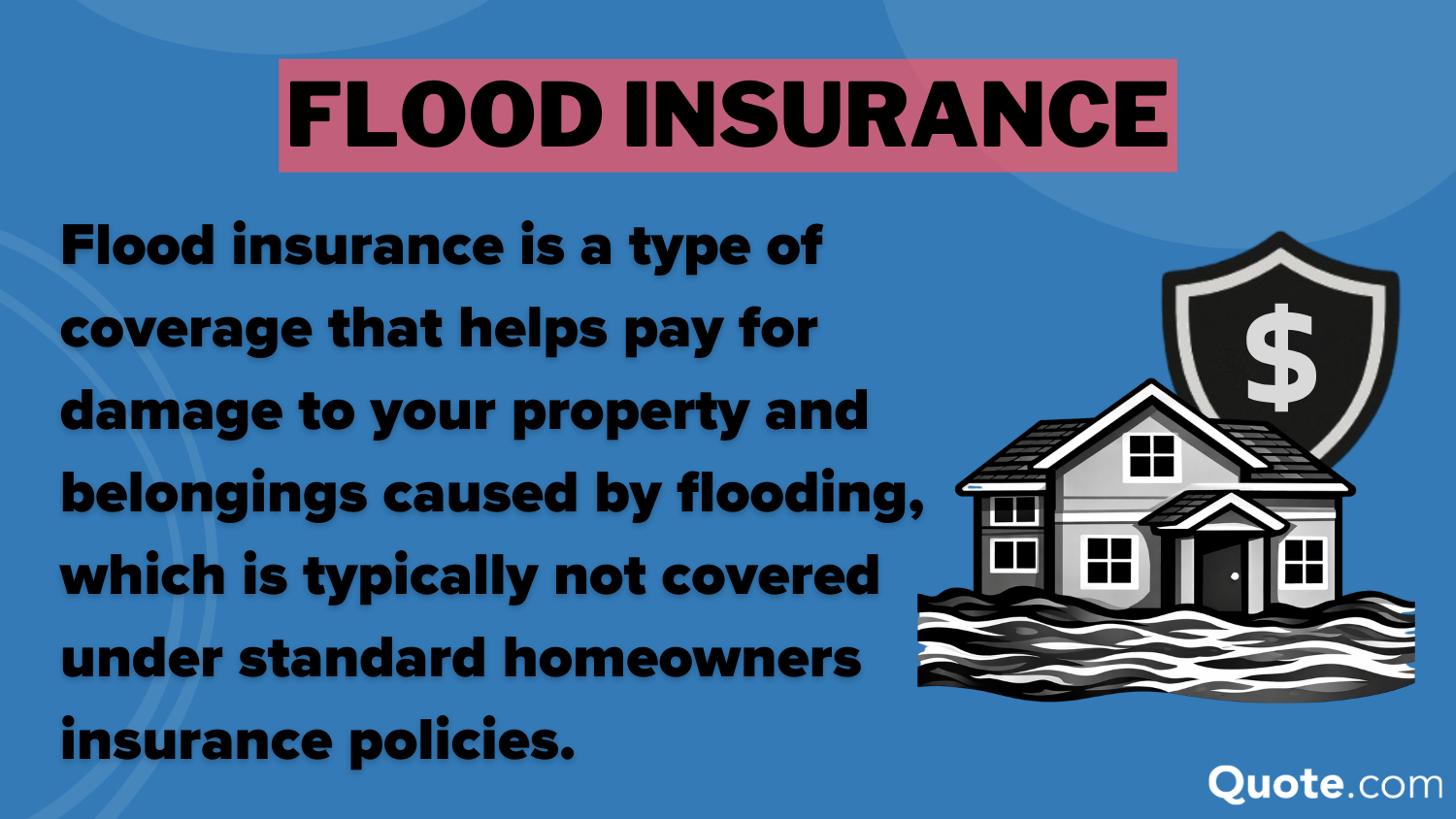
Roof design can affect insurance costs and coverage limits. Hip roofs handle strong winds better, while gable roofs are more likely to suffer wind damage during storms.
Keeping roofs updated with impact-resistant materials may help lower insurance costs in high-risk areas. Homeowners with expensive homes should also compare the best coverage for high-value properties before choosing roof protection.
Roof Inspection Impact on Insurance Claim Payouts
Roof claim payouts depend on whether a homeowners policy uses actual cash value (ACV) or replacement cost value (RCV) coverage. The difference affects how much money homeowners receive after roof damage, especially on older homes.
Regional weather patterns affect whether homeowners qualify for RCV or are limited to ACV. ACV coverage lowers claim payouts based on depreciation, so older roofs usually receive smaller settlements after damage occurs.
ACV vs. RCV Home Insurance Roof Claim Payouts| Roof Age | Claim Value | ACV Payout | RCV Payout | Owner Cost |
|---|---|---|---|---|
| 5 years | $15K | $13.5K | $15K | $1.5K |
| 10 years | $18K | $14.4K | $18K | $3.6K |
| 15 years | $20K | $14.2K | $20K | $5.8K |
| 20 years | $22K | $13.2K | $22K | $8.8K |
| 25 years | $25K | $12.5K | $25K | $12.5K |
RCV coverage pays to replace the roof using similar materials at current market prices without deducting depreciation, which usually results in higher claim payouts and lower repair costs for homeowners.
Roof inspections for insurance will affect RCV vs. ACV coverage if insurers find leaks, sagging, worn shingles, and visible damage before approving coverage. Many insurers switch older roofs to ACV coverage after 15 to 20 years, especially in storm-prone areas.
Roof coverage rules vary by insurer, and some homeowners compare policies to keep replacement cost protection on older roofs.
Reviewing how much homeowners insurance you need may also help homeowners avoid coverage gaps after major roof damage. Compare home insurance quotes online to find lower deductibles and better protection for older roofs.
Best Ways to Lower Costs After a Roof Inspection
Homeowners with older roofs often pay higher home insurance rates because aging materials increase the risk of leaks, storm damage, and costly claims.
Roof condition, roofing materials, past inspection results, and roof inspection cost can all affect premiums and coverage options.
- Ask About Roof Discounts: Some insurers offer lower rates for newer roofs, metal roofing, or recent roof replacements.
- Compare Home Insurance Quotes: Coverage rules and roof restrictions vary, so shopping around may help homeowners find better rates and roof protection.
- Improve Roof Drainage and Ventilation: Proper drainage and airflow help reduce moisture damage, leaks, and mold problems.
- Replace Damaged Shingles Early: Repairing visible roof damage before renewal can help homeowners avoid higher premiums or coverage limits.
- Schedule Regular Roof Inspections: Routine inspections help catch small roofing problems before they turn into expensive insurance claims.
Older roofs often come with higher deductibles and stricter coverage limits after inspections. Keeping up with roof maintenance can help homeowners avoid problems during renewals and claims.
Inspection reports and repair records can help homeowners show that the roof is in good condition. Insurers also offer better coverage after roofing problems are repaired early.
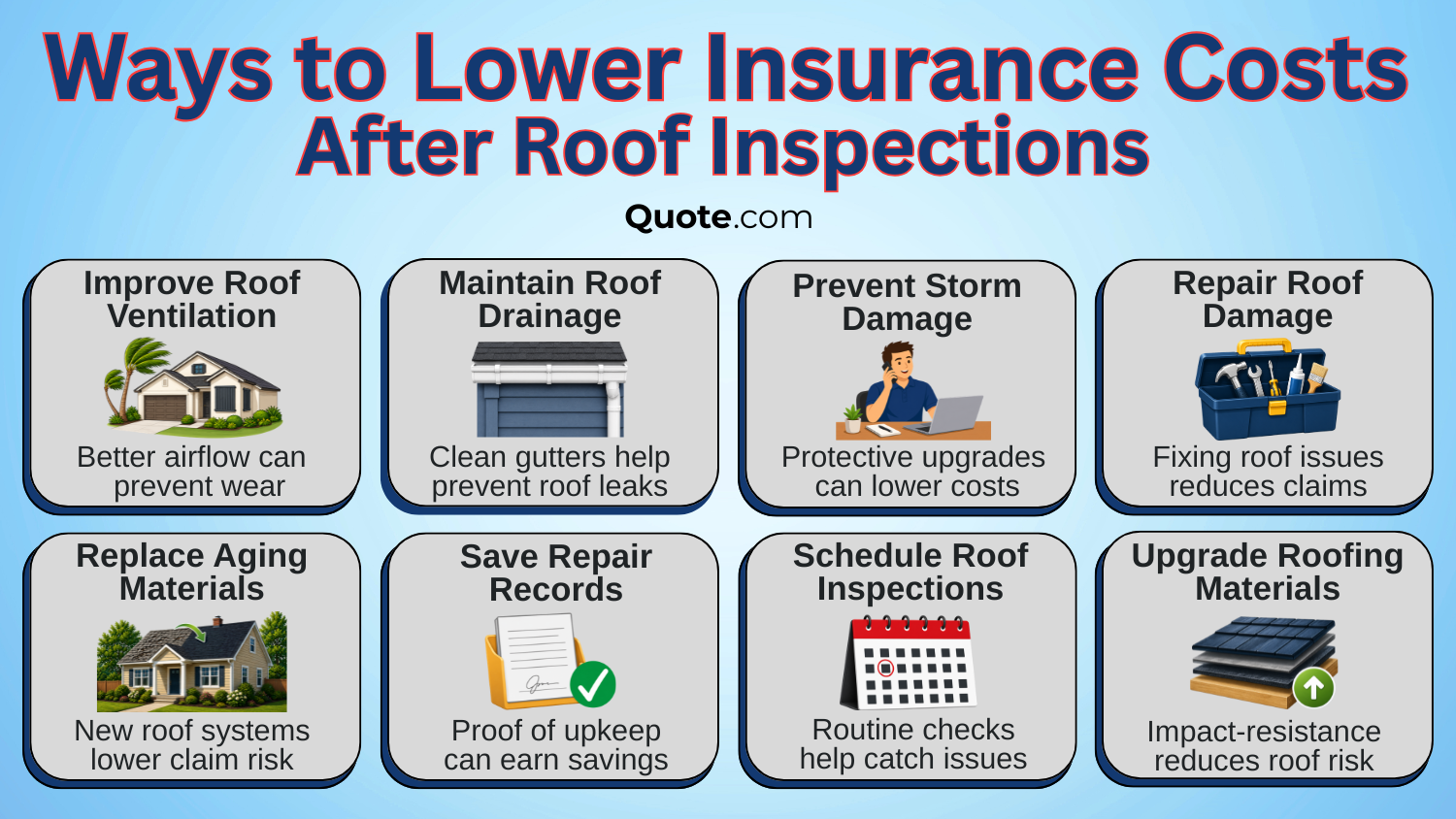
Homeowners with well-maintained roofs are more likely to keep broader coverage and lower insurance costs over time. Comparing quotes from multiple insurers can help homeowners find better roof coverage for older or higher-risk homes.
Homeowners purchasing recently built properties may also want to compare the best new construction insurance options for newer roofing systems.
Replacing an older roof before renewal helped lower insurance costs and made it easier to keep replacement cost coverage instead of being moved to an actual cash value policy.
Aleksandra J. Churlinov Managing Editor
Some insurers place stricter limits on roof age, while others still offer replacement cost coverage after inspections.
Shopping around may also help homeowners qualify for lower deductibles and fewer roof restrictions after repairs or roof upgrades.
Free Home Insurance Comparison
Compare Quotes From Top Companies and Save
Roof Inspections and Insurance Costs
How roof inspections affect home insurance often comes down to roof age, condition, and storm damage.
Newer roofs in good condition usually qualify for lower premiums and broader coverage, while older or damaged roofs may lead to higher costs, reduced coverage, or smaller claim payouts.
Keeping up with roof repairs and comparing home insurance quotes before renewal can help homeowners avoid coverage gaps and manage insurance costs more effectively.
Regular inspections can also help catch smaller roofing problems before they turn into expensive repairs or denied claims.
Learn More: Buying Home Insurance
Compare home insurance quotes after a roof inspection using our free comparison tool to find lower rates and better coverage.
Frequently Asked Questions
What is a roof inspection?
A roof inspection is a professional evaluation of a roof’s condition, materials, and structural wear. Inspectors typically check for missing shingles, leaks, sagging areas, storm damage, and signs of aging that may affect insurance coverage.
Do you need a roof inspection to get home insurance?
Yes. Many insurance companies require a roof inspection before approving a new policy, renewing coverage, or increasing protection on older homes. Inspections help insurers check roof condition, storm damage, and the likelihood of future claims. Proper coverage limits can help you determine how much homeowners insurance you need.
Can I refuse a home insurance inspection?
You can refuse a home insurance inspection, but the insurer may deny coverage, cancel the application, or refuse to renew the policy. Many insurance companies require inspections on older homes or properties with aging roofs because roof-related claims often lead to expensive repairs after storms, leaks, or wind damage.
What will fail a home insurance inspection?
A home insurance inspection may fail if inspectors find roof leaks, missing shingles, sagging areas, mold, exposed wiring, plumbing damage, or major structural issues. Older roofs in poor condition often raise concerns because they increase the chance of water damage and costly insurance claims.
See More: Best Home Insurance Discounts
How does a roof inspection affect home insurance rates?
Roof inspections can raise or lower insurance costs depending on the roof’s age, condition, and materials. Newer roofs in strong condition often qualify for lower premiums, while damaged or aging roofs may lead to higher rates or coverage restrictions.
The best place to start when you want affordable home insurance is to enter your ZIP code into our free comparison tool.
Does home insurance cover roof inspections?
Home insurance usually covers roof damage caused by covered events like hail, wind, fire, or falling objects. Coverage may include repair or replacement costs, but older roofs are sometimes limited to actual cash value payouts instead of full replacement cost coverage.
Is a roof inspection the same as a roof certification?
No. A roof inspection reviews the roof’s current condition and looks for damage or wear, while a roof certification estimates how many years the roof is expected to last. Insurance companies may request either one before approving coverage.
What is the 25% rule in roofing?
The 25% rule usually means that if more than 25% of a roof is damaged within a certain period, building codes may require a full roof replacement instead of partial repairs. Insurance coverage depends on state laws, local codes, and policy terms.
Does homeowners insurance cover chimney leaks?
Coverage depends on what caused the leak. Insurance may cover chimney leaks tied to sudden storm damage or a covered peril, while leaks caused by age, neglect, or maintenance are usually excluded. Homeowners looking for the cheapest home insurance should review exclusions carefully because some policies limit water damage protection.
What do limited roof surfaces, settlement, windstorm, and hail losses mean?
This wording usually means the insurance policy limits how much it will pay for roof damage caused by hail, wind, or settling. Some policies only cover the depreciated value for older roofs instead of paying full replacement costs. Compare quotes from the cheapest home insurance companies by entering your ZIP code into our free tool.
What is the roof surfaces extended coverage endorsement AVP42?
What is Allstate Roof Surfaces’ extended coverage?
What should you not say to a roof insurance adjuster?
How do roof inspections affect home insurance in California?
Related Articles
-
Aug 2026

Best Home Insurance in Massachusetts for 2026
-
Jan 2026
How to Buy Home Insurance in 2026
-
Apr 2026
Best Home Insurance for Seniors in 2026: Top Low-Cost Plans
-
Mar 2026

How to File a Wildfire Home Insurance Claim in 2026
-
Aug 2026
Best Home Insurance in Delaware for 2026
-
Aug 2026
Best Home Insurance in Maine for 2026




Get a FREE Quote in Minutes
Insurance rates change constantly — we help you stay ahead by making it easy to compare top options and save.