Best Home Insurance for First-Time Buyers: Top-Rated Coverage (2026)
Amica, Chubb, and Erie Insurance offer the best home insurance for first-time buyers. Budget-conscious first-time homeowners can find coverage as low as $57 a month, depending on their deductible and where they live. The best home insurance companies offer plenty of coverage options for homes in any sort of risk zone.
Read more





Table of Contents
Table of Contents

Insurance Content Creator
Lia Vergin develops both video and written content across all lines of insurance, with a primary focus on auto, home, and life coverage. She is dedicated to helping consumers better understand and navigate their insurance options. Driven by a passion for saving money and finding great deals, she is committed to creating clear, engaging, and practical content that empowers readers to make confident...
Lia Vergin

Managing Editor
Daniel S. Young began his professional career as chief editor of The Chanticleer, a Jacksonville State University newspaper. He also contributed to The Anniston Star, a local newspaper in Alabama. Daniel holds a BA in Communication and is pursuing an MA in Journalism & Media Studies at the University of Alabama. With a strong desire to help others protect their investments, Daniel has writt...
Daniel S. Young

Licensed Insurance Producer
Dani Best has been a licensed insurance producer for nearly 10 years. Dani began her insurance career in a sales role with State Farm in 2014. During her time in sales, she graduated with her Bachelors in Psychology from Capella University and is currently earning her Masters in Marriage and Family Therapy. Since 2014, Dani has held and maintains licenses in Life, Disability, Property, and Casualt...
Dani Best
Updated June 2026
The best home insurance for first-time buyers comes from Amica, Chubb, and Erie Insurance. Rates start as low as $57 monthly in some areas.
- Amica offers excellent service and affordability to first-time home buyers
- Average first-time home buyers pay about $200 a month for insurance
- You may need homeowners insurance if you have a mortgage
The best homeowners companies offer a variety of coverage options and discounts, as well as excellent customer service.
However, you should compare your homeowners insurance options before you make a decision.
Top 10 Companies: Best Home Insurance for First-Time Buyers| Company | Rank | Claims Satisfaction | A.M. Best | Best for |
|---|---|---|---|---|
 | #1 | 705 / 1,000 | A+ | Customer Service |
 | #2 | 677 / 1,000 | A++ | Luxury Homes |
 | #3 | 676 / 1,000 | A+ | Regional Service |
 | #4 | 657 / 1,000 | A+ | Local Agents |
 | #5 | 643 / 1,000 | A | New Homes |
 | #6 | 641 / 1,000 | A+ | Coverage Options |
 | #7 | 633 / 1,000 | A+ | Bundling Savings |
 | #8 | 631 / 1,000 | A | Customizable Policies |
 | #9 | 620 / 1,000 | A | Flexible Pricing |
 | #10 | 608 / 1,000 | A++ | Affordable Coverage |
While it can feel overwhelming at times, having homeowners insurance coverage explained makes the process simple.
Read on to sort through the best and worst homeowners insurance companies. When you’re ready, enter your ZIP code into our free comparison tool to see rates in your area.
Comparing Premiums for First-Time Homeowners
Buying a home for the first time comes with many new expenses, and homeowners insurance is one of the most important. While many factors affect rates, the average cost of home insurance is around $200 per month.
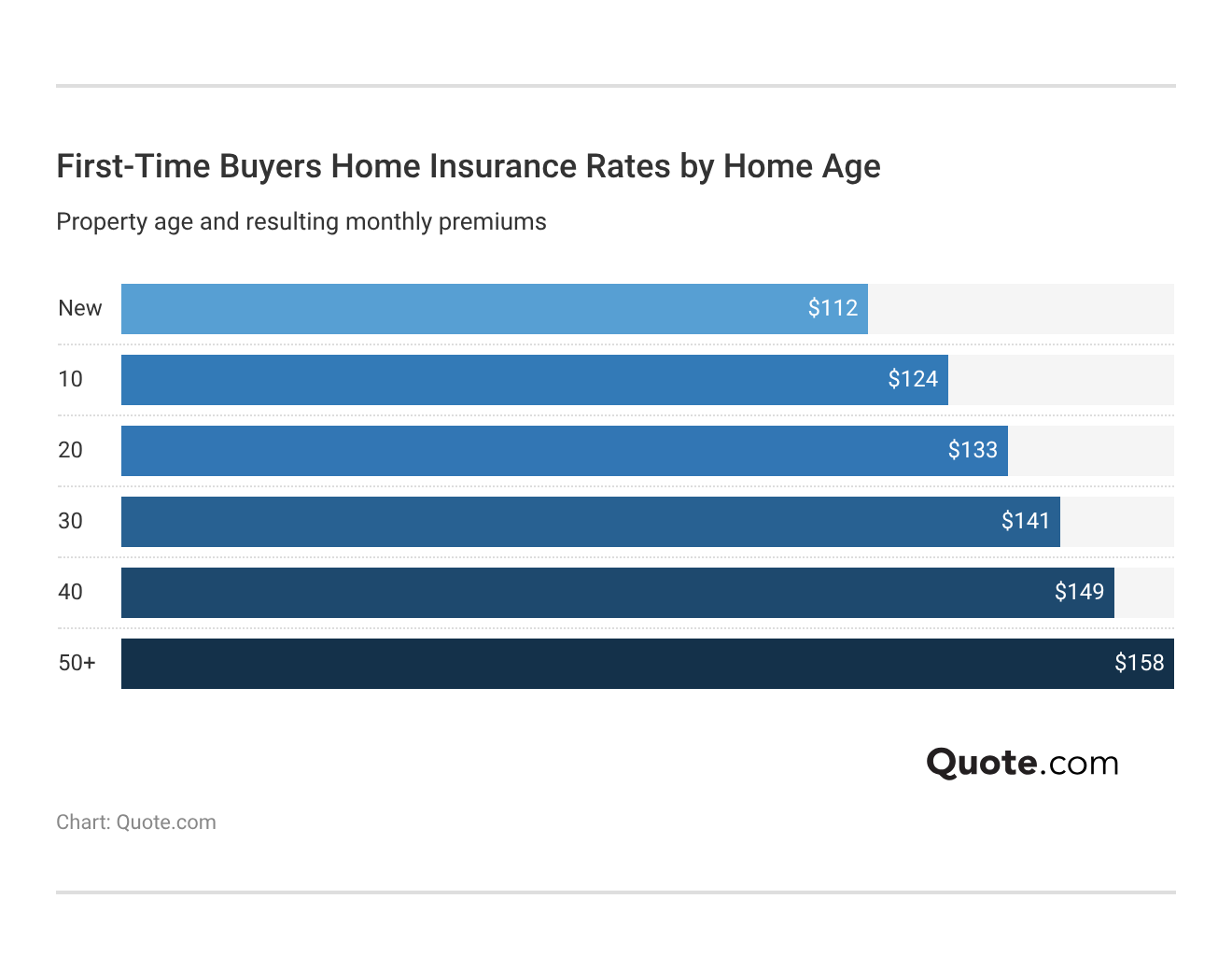
Home insurance rates for first-time buyers vary widely depending on factors such as the home’s location, age, size, construction materials, and the amount of coverage selected.
A newly built home with modern safety features may cost less to insure than an older home that requires extensive maintenance or repairs. Get More Details: Best Home Insurance for New Construction
Similarly, homes located in areas prone to natural disasters like earthquakes and wildfires often have higher premiums.
While home insurance isn’t required by law, many lenders require homeowners to buy coverage while they have a mortgage.
Michelle Robbins Licensed Insurance Agent
Shopping around and understanding the factors that influence rates can help you find the best homeowners insurance for first-time homebuyers.
First-time buyers should compare quotes from multiple insurers online before purchasing coverage.
Homeowner Policy Limits & Prices for First-Time Buyers
One of the most impactful factors on your insurance rates is how much coverage you need in your policy.
Most insurance companies require that you purchase at least 80% of your home’s total value as coverage in your policy. If you don’t get up to at least 80%, you might not receive a full payout if you need to make a claim.
First-Time Buyers Home Insurance Monthly Rates by Dwelling Coverage| Company | $200K | $300K | $400K | $500K |
|---|---|---|---|---|
| $136 | $167 | $208 | $249 |
| $118 | $144 | $180 | $216 |
| $106 | $129 | $161 | $193 |
| $212 | $264 | $330 | $396 |
| $96 | $117 | $146 | $175 |
| $130 | $159 | $199 | $239 |
| $143 | $177 | $222 | $266 |
| $158 | $196 | $245 | $294 |
| $122 | $150 | $188 | $226 |
| $120 | $147 | $184 | $221 |
The amount you pay for home insurance depends largely on how much coverage you need for your home. The more it costs to repair or rebuild your home, the more you’ll have
Your rates will also increase if you add extra coverage to your policy. For example, a standard policy doesn’t usually cover flood damage. You’d need to add flood coverage to your policy if you’re worried about water damage, which will increase your rates.
While it’s important to find an affordable rate, the cheapest home insurance company isn’t necessarily the best choice for you. Make sure you look at insurance options, customer reviews, and coverage restrictions before you settle on a provider.
How Home Location and Age Impact First-Time Homeowners
Insurance companies evaluate risk when determining homeowners insurance premiums. Finding the best home insurance for high-risk homes is imperative if you live in a dangerous area.
Homes located in areas with a history of severe weather, wildfires, hurricanes, hailstorms, or flooding generally cost more to insure because insurers expect a greater likelihood of claims. Even neighborhood crime rates can affect insurance costs.
First-Time Buyers Home Insurance Monthly Rates by Risk Factor| Company | Build Quality | Crime Rate | Fire Risk | Flood Zone |
|---|---|---|---|---|
| $142 | $154 | $171 | $194 |
| $123 | $133 | $148 | $168 |
| $110 | $119 | $133 | $151 |
| $221 | $239 | $266 | $301 |
| $100 | $108 | $120 | $136 |
| $136 | $148 | $164 | $186 |
| $149 | $162 | $180 | $204 |
| $165 | $179 | $199 | $225 |
| $127 | $138 | $153 | $173 |
| $125 | $136 | $151 | $171 |
The condition and age of a home also play a major role in determining risk for first-time homebuyer insurance. Older homes may have outdated electrical systems, plumbing, or roofing materials that increase the likelihood of damage or insurance claims.
In contrast, newer homes often feature modern building materials and safety systems that reduce risk and may qualify for lower premiums.
Certain property features can also affect rates. Swimming pools, trampolines, wood-burning stoves, and certain dog breeds may increase liability risks and raise premiums.
On the other hand, safety features such as security systems, smoke detectors, sprinkler systems, and impact-resistant roofing materials may help reduce insurance costs.
You can find the best home insurance for first-time homebuyers by comparing quotes from multiple companies. The more companies you compare, the better your chance of finding affordable rates.
How Credit Rating Affects Insurance Costs for First-Time Buyers
In most states, insurers use a credit-based insurance score when calculating homeowners insurance premiums.
Statistical data has shown that individuals with stronger credit histories tend to file fewer insurance claims, making them less expensive to insure. As a result, buyers with excellent credit often receive lower rates than those with poor credit.
First-Time Buyers Home Insurance Monthly Rates by Credit Score| Company | Excellent (800+) | Good (670–799) | Fair (580–669) | Poor (<580) |
|---|---|---|---|---|
| $136 | $146 | $176 | $234 |
| $118 | $127 | $153 | $203 |
| $106 | $114 | $137 | $182 |
| $212 | $227 | $274 | $364 |
| $96 | $103 | $124 | $165 |
| $130 | $140 | $169 | $225 |
| $143 | $154 | $186 | $247 |
| $158 | $170 | $205 | $272 |
| $122 | $131 | $158 | $209 |
| $120 | $129 | $155 | $206 |
Having an excellent credit score can save you hundreds of dollars annually on first-time-buyer home insurance.
Even moving from a fair credit range to a good credit range can result in noticeable savings over the life of a policy.
Home insurance policies in California, Maryland, and Massachusetts aren’t affected by credit scores, as these states have banned the practice.
Scott W. Johnson Licensed Insurance Agent
Improving your credit before purchasing a home can help lower insurance costs. Paying bills on time, reducing outstanding debt, and monitoring credit reports for errors may improve your credit profile.
Although credit is only one rating factor, it can have a substantial impact on the price of home insurance for first-time owners. The best insurance comparison sites can help you find affordable home insurance quotes regardless of your credit score.
Choosing Deductibles to Lower First-Time Homeowner Rates
An insurance deductible is the amount a homeowner pays out of pocket before coverage applies when you file a claim.
Choosing a higher deductible generally lowers premiums because the policyholder assumes more financial responsibility.
First-Time Buyers Home Insurance Monthly Rates by Deductible| Company | $500 | $1K | $2K | $5K |
|---|---|---|---|---|
| $153 | $136 | $121 | $107 |
| $133 | $118 | $105 | $93 |
| $119 | $106 | $94 | $83 |
| $238 | $212 | $189 | $167 |
| $108 | $96 | $85 | $76 |
| $146 | $130 | $116 | $102 |
| $161 | $143 | $127 | $113 |
| $178 | $158 | $141 | $124 |
| $137 | $122 | $109 | $96 |
| $135 | $120 | $107 | $95 |
For example, a homeowner selecting a $2,500 deductible will typically pay less in premiums than someone choosing a $500 deductible.
Insurers view higher deductibles as a sign that policyholders are less likely to file small claims, reducing administrative costs and claim frequency.
However, you should carefully consider their financial situation before increasing your deductible on your first-time homebuyers’ insurance.
While higher deductibles can generate meaningful premium savings, homeowners should ensure they have sufficient emergency savings available to cover the deductible if a claim occurs.
First-Time Buyer Home Insurance Across the U.S.
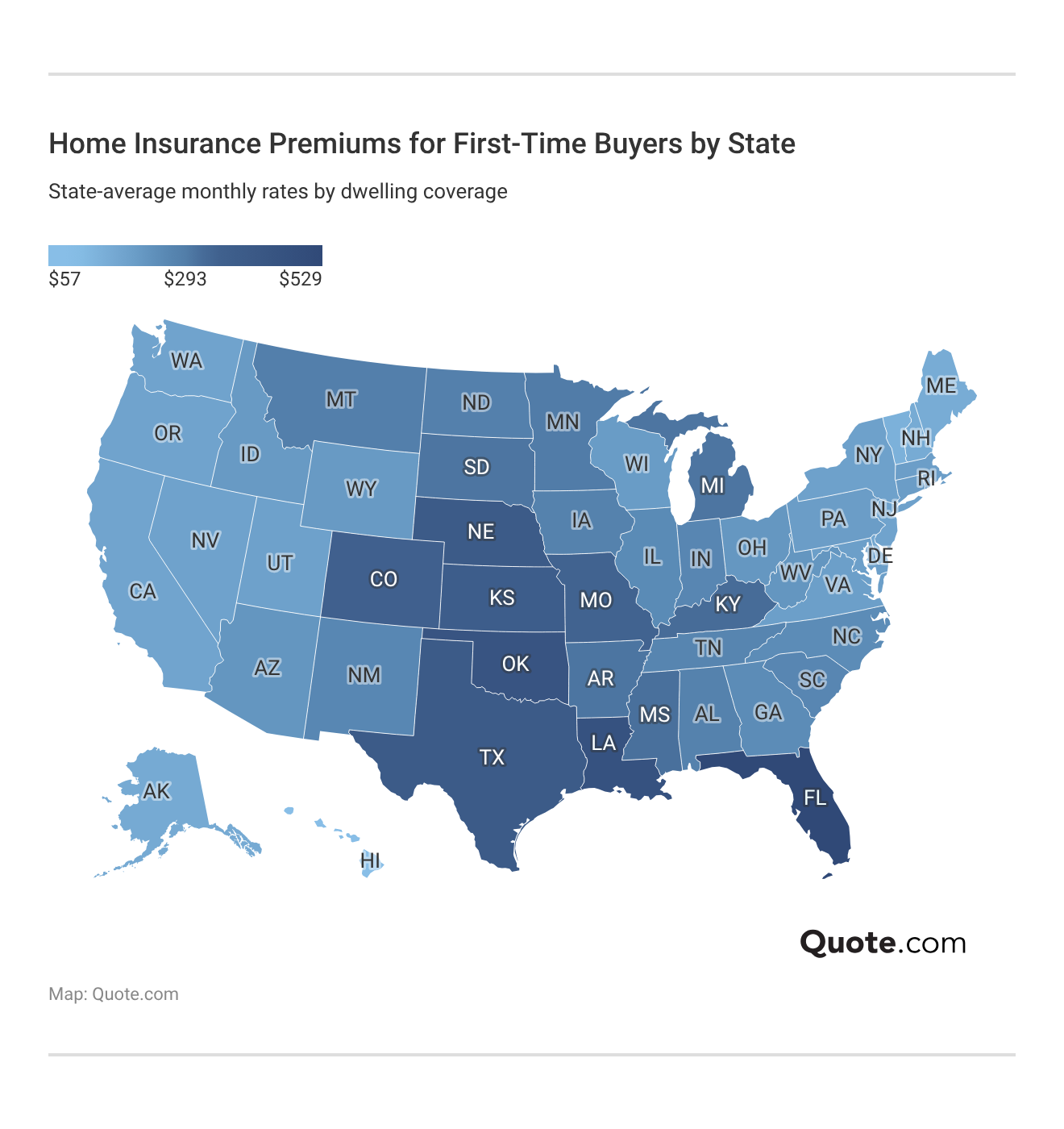
Homeowners insurance rates by state will vary due to weather risks, construction costs, litigation trends, and claim frequency.
States prone to hurricanes, severe storms, wildfires, or other natural disasters often experience some of the highest insurance premiums in the country.
For example, homeowners in coastal states may face elevated rates because of hurricane exposure. In some areas, home insurance companies are canceling policies in high-risk areas.
Residents in wildfire-prone regions may encounter higher premiums due to increasing fire risks. Learn More: Does home insurance cover wildfires?
States with fewer catastrophic weather events, like Wyoming and Vermont, often benefit from lower average property insurance costs.
Kristine Lee Licensed Insurance Agent
First-time buyers should research average insurance rates in their state before purchasing a home.
Comparing local insurance quotes online can help buyers create more accurate housing budgets and avoid unexpected expenses after closing on a property.
Free Home Insurance Comparison
Compare Quotes From Top Companies and Save
Understanding the Price of Your Home Insurance
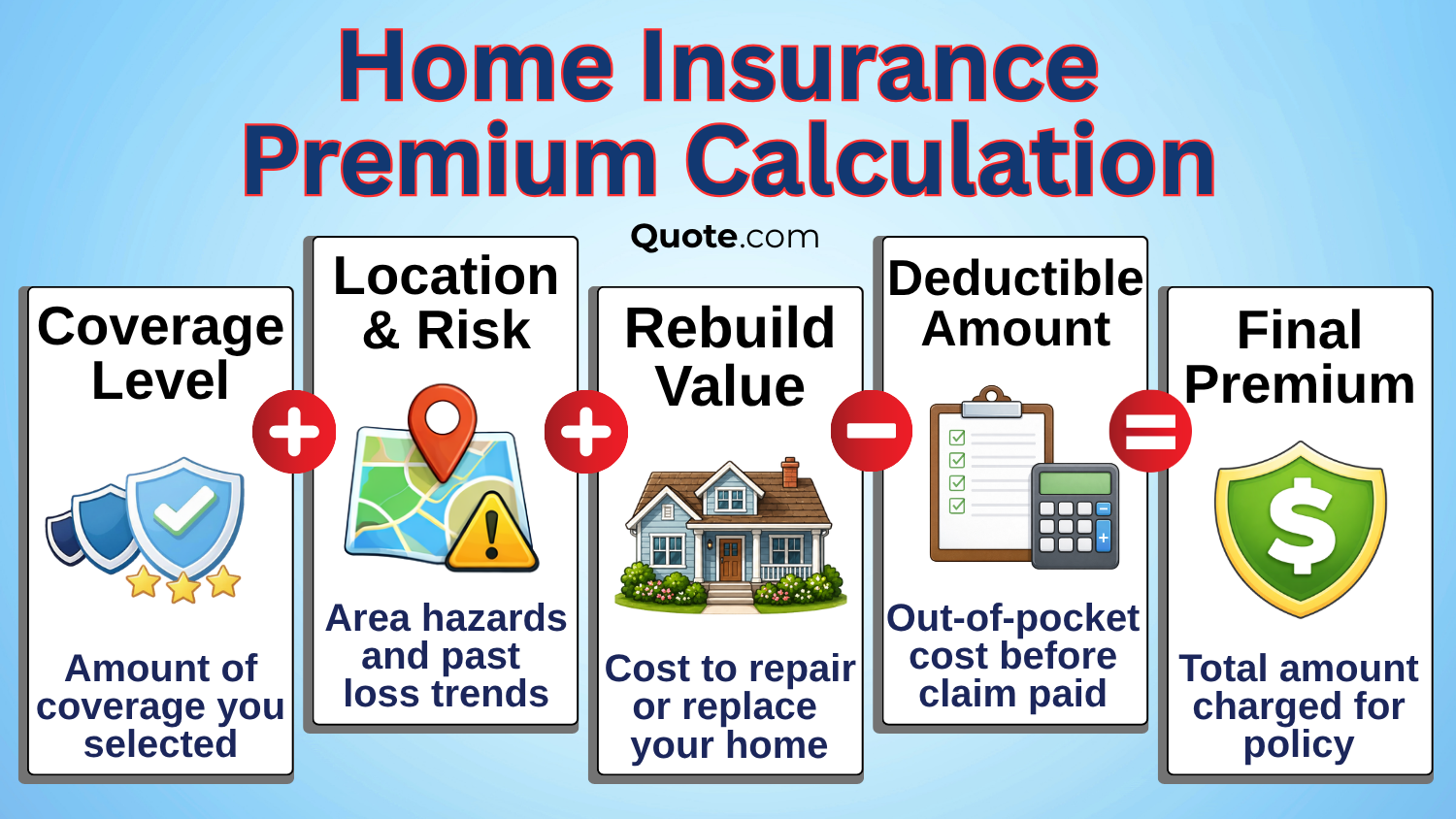
Home insurance premium costs are determined by a combination of personal, property, and geographic factors.
Insurers evaluate the likelihood and potential cost of future claims based on historical data and risk assessments. The resulting premium reflects the insurer’s estimate of that risk.
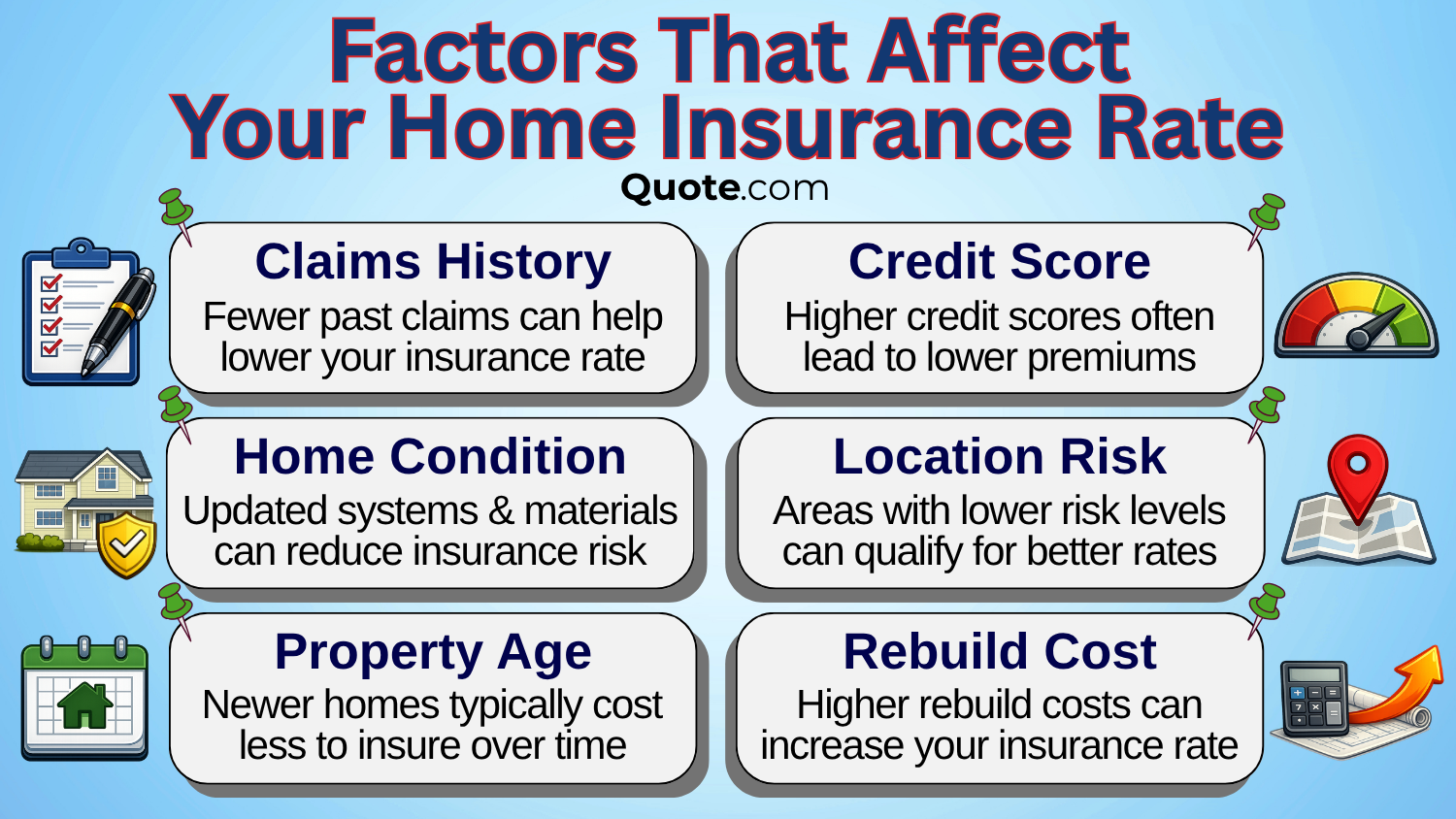
While all of the factors listed above are important, your coverage limits have one of the most significant impacts on prices.
Policies with higher dwelling, personal property, liability, and loss-of-use limits generally cost more because the insurer may have to pay larger claims. Optional endorsements and additional coverages also increase premiums.
Replacement cost estimates are another major pricing factor. Insurers focus on the cost to rebuild a home after a covered loss rather than the home’s market value.
Rising labor, material, and construction costs can increase replacement costs and lead to higher premiums.
Lowering Home Insurance Rates for First-Time Buyers
Comparing quotes from several providers is one of the most effective ways to find the cheapest homeowners insurance policy.
Rates can vary significantly between insurers, even for identical coverage levels. Obtaining multiple quotes allows buyers to identify the best value for their needs. However, there are plenty of other ways to save.
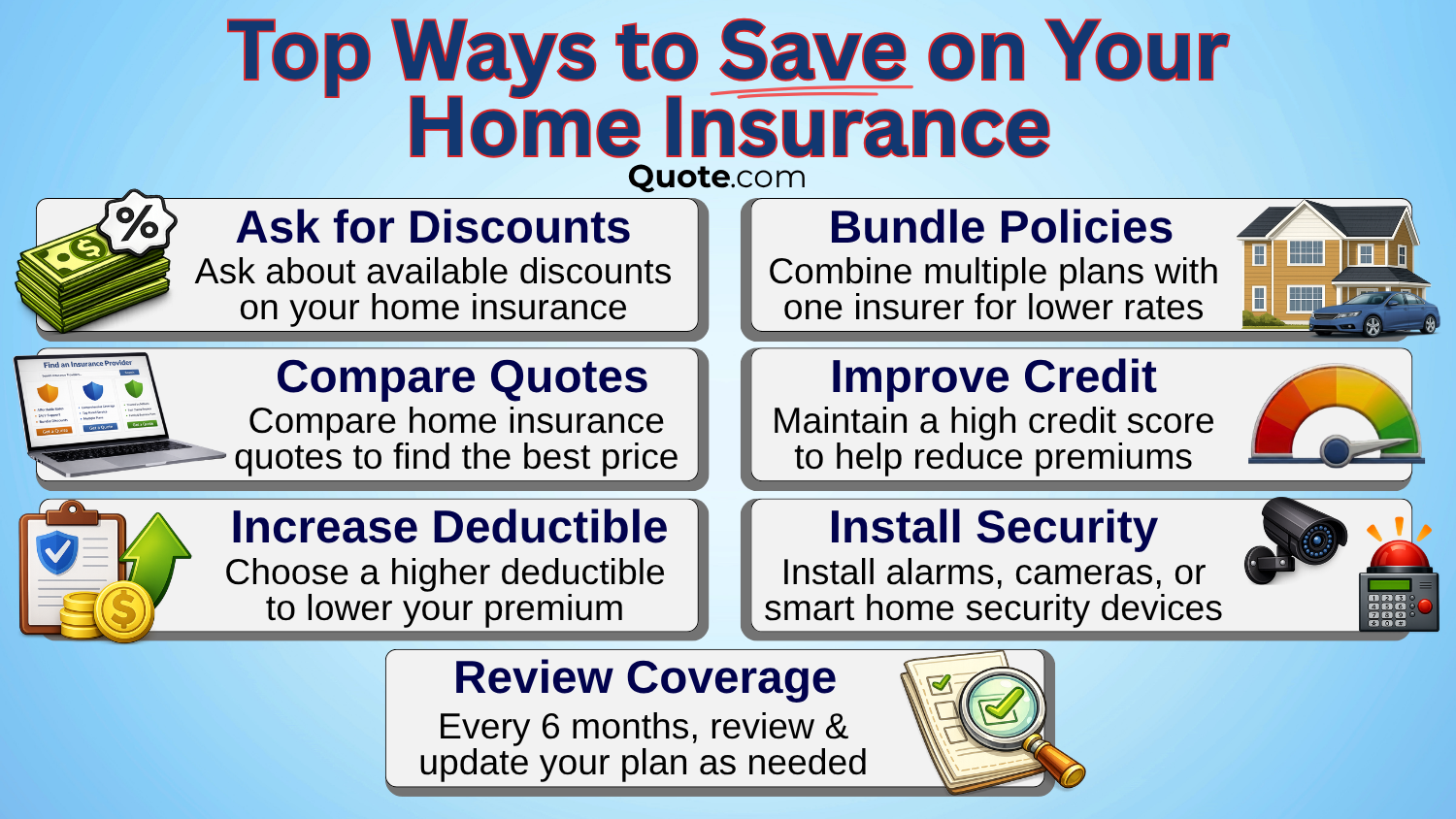
Many insurers offer discounts that can help reduce premiums. The best home insurance discounts can help significantly lower your monthly premiums.
Most discounts automatically apply to your account when you sign up for a policy, but you may have to submit proof before you can start saving.
Top Home Insurance Discounts for First-Time Buyers| Company | Bundling | Green Home | New Build | Security |
|---|---|---|---|---|
| 15% | 5% | 5% | 10% |
| 10% | 5% | 6% | 29% |
| 20% | 6% | 6% | 10% |
| 10% | 7% | 8% | 8% |
| 12% | 5% | 10% | 20% |
| 12% | 5% | 8% | 10% |
| 14% | 5% | 5% | 10% |
| 11% | 7% | 7% | 10% |
| 20% | 5% | 6% | 17% |
| 13% | 4% | 4% | 10% |
Increasing deductibles, improving home security, and maintaining strong credit can also contribute to lower insurance costs.
You should also learn things like how roof inspections impact home insurance rates. Oftentimes, something as simple as a roof inspection can increase your rates, even if you have upgrades scheduled.
First-time buyers should balance affordability with adequate protection to ensure they are not sacrificing important coverage simply to reduce premiums.
Types of Homeowners Insurance Explained
There are several types of homeowners insurance that are usually included in a basic home insurance policy.
Generally speaking, a basic policy includes protection for your home, your belongings, and your finances from legal action if a guest sues you. This includes:
- Dwelling Coverage: Dwelling coverage handles repairs to your home’s structure after a covered loss, including some detached structures.
- Loss of Use: Loss of use coverage helps pay for temporary living expenses if your home becomes uninhabitable due to a covered claim.
- Medical Payments: Medical payments coverage helps pay for minor medical expenses if a guest is injured on your property, regardless of who was at fault.
- Personal Liability: Personal liability coverage helps cover legal expenses, medical bills, and settlement costs if you’re found responsible for causing harm to others.
- Personal Property: Personal property coverage helps pay to repair or replace your belongings, such as furniture, clothing, electronics, and appliances.
There are many add-ons you can choose for your policy if you wish to increase your home’s protection.
Availability depends on the company, but popular options include flood, earthquake, and identity theft coverage. Shop Now: Cheap Earthquake Insurance
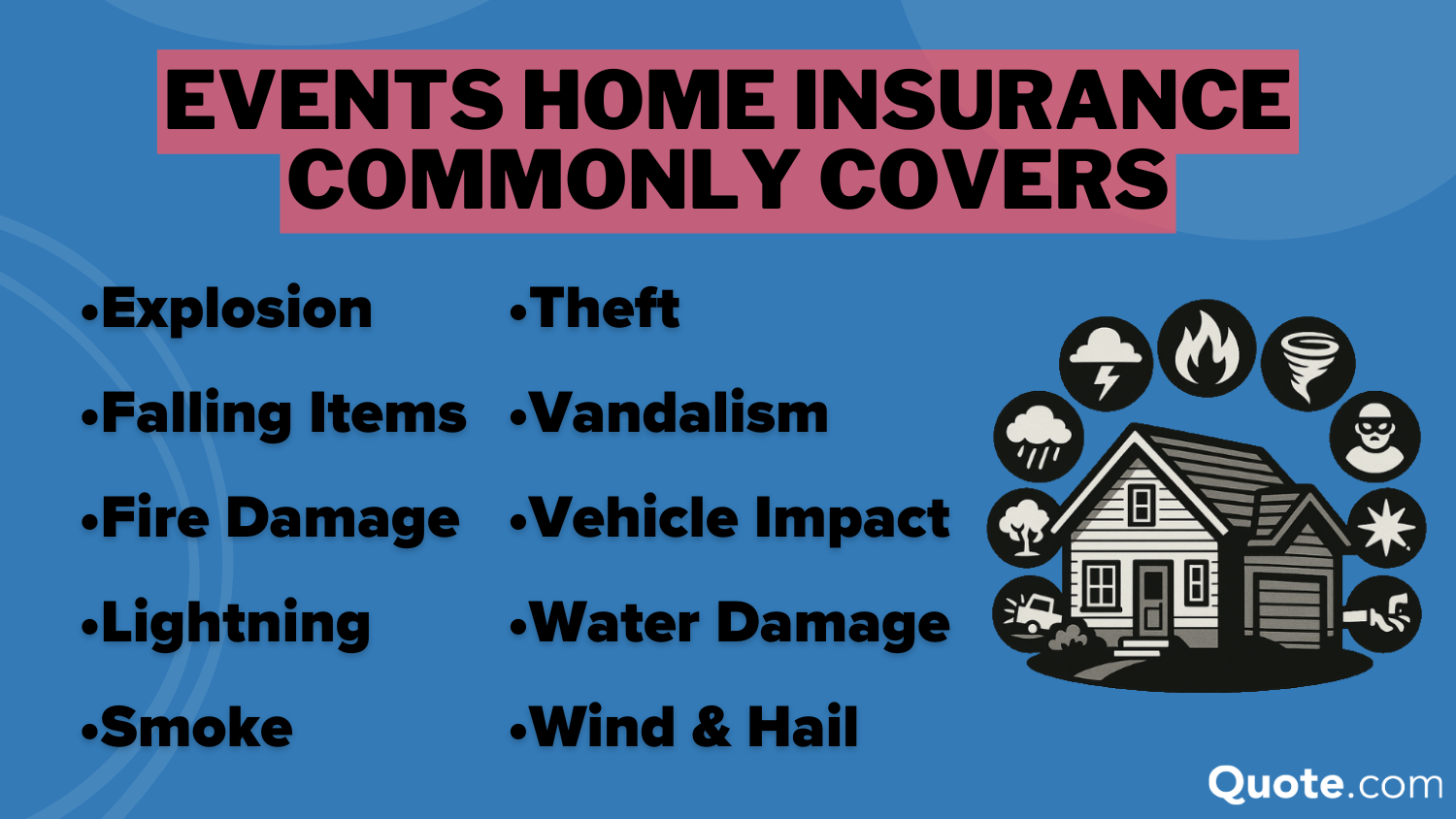
Homeowners insurance coverage is available in several forms, commonly referred to as policy types. These policies protect against the most common events that might damage your house.
The most widely purchased option is the HO-3 policy, but there are other types of policies for certain structures and perils:
- HO-1 (Basic Form): HO-1 is the most limited homeowners insurance policy and covers the home and belongings only against a small list of named perils, such as fire and theft.
- HO-2 (Broad Form): HO-2 provides broader protection by covering more named perils, including falling objects, water damage from plumbing, and electrical issues.
- HO-3 (Special Form): HO-3 is the most common homeowners insurance policy and covers all perils except those specifically excluded.
- HO-5 (Comprehensive Form): HO-5 offers better protection by providing open-peril coverage and is often available for newer or lower-risk homes.
- HO-8 (Modified Coverage Form): HO-8 is intended for older or historic homes and typically covers repairs using actual cash value rather than full replacement cost.
Other policy types include HO-4 for renters insurance, HO-6 for condo insurance, and HO-7 for mobile or manufactured homes.
Understanding the differences between policy forms helps first-time buyers choose coverage that aligns with their property’s needs and ownership situation.
Free Home Insurance Comparison
Compare Quotes From Top Companies and Save
How to Buy Home Insurance for the First Time
Learning how to buy home insurance for the first time can feel overwhelming, but the process can be completed in five easy steps.
Starting the process early can help prevent last-minute stress before closing on a home. Simply follow the steps below:
- Determine Your Coverage Needs: Estimate how much dwelling, personal property, liability, and additional living expense coverage you need based on your home.
- Gather Home Information: Prepare details about the property, including its age, square footage, roof type, safety features, and any recent upgrades.
- Compare Quotes: Request quotes from several insurance companies and compare coverage limits, deductibles, endorsements, discounts, and premiums.
- Review Your Policy Details: Carefully read exclusions, coverage limits, and optional add-ons to choose a policy that fits both your budget and protection needs.
- Purchase the Policy: Finalize your policy before closing and submit proof of insurance to your mortgage lender if required.
After selecting an insurer and policy, buyers can finalize coverage and provide proof of insurance to their mortgage lender. Most lenders require proof of coverage before closing and may collect insurance premiums through an escrow account.
Once the policy is active, homeowners should review their coverage annually to ensure it continues to meet their needs as their home, belongings, and financial situation change.
Understanding Home Insurance Requirements for First-Time Buyers
While the protection is undeniably valuable, is home insurance required? Under state law, the answer is no. No state requires that homeowners purchase a policy.
However, that may not be the case for your mortgage lender. Most lenders require that you maintain home insurance throughout the life of your loan.
Lenders want assurance that the property securing the mortgage is protected against significant losses that could affect its value.
When you consider what home insurance actually covers, it’s easy to understand why lenders require this coverage until your home is paid off.
Beyond lender requirements, first-time buyers should evaluate their personal insurance needs and compare costs online to determine which coverage fits their mortgage and budget.
Adequate liability protection, personal property coverage, and optional endorsements for risks such as water backup or identity theft can provide valuable financial protection beyond the minimum required by a lender.
Best Home Insurance Companies for First-Time Buyers
The best home insurance company for a first-time buyer depends on individual priorities such as affordability, customer service, coverage options, and available discounts.
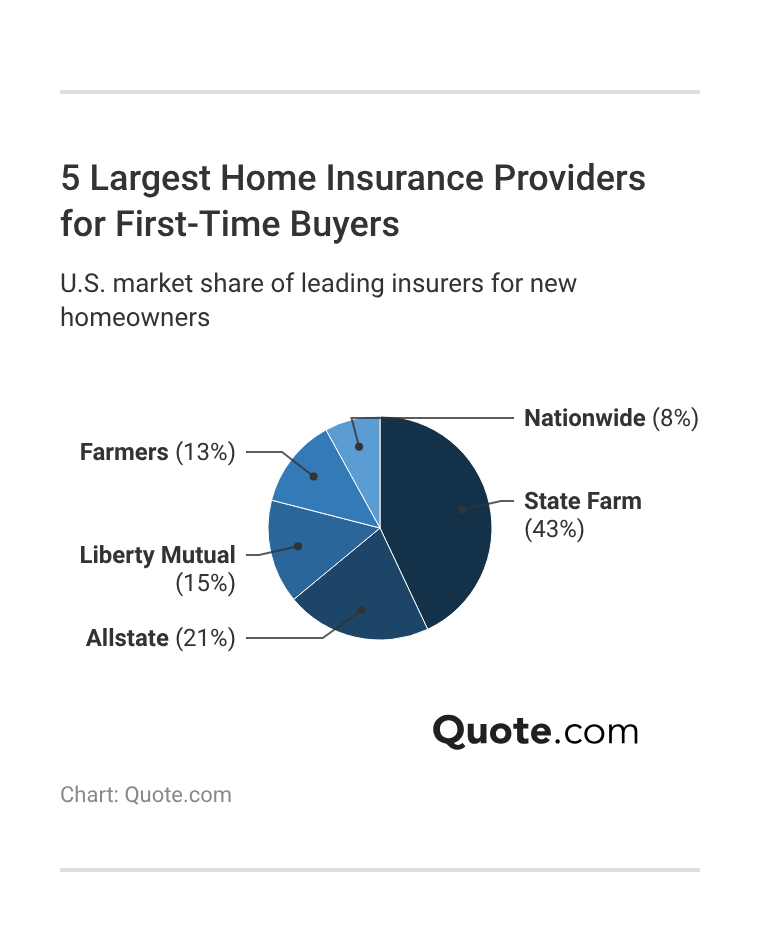
Some of the largest home insurance companies offer strong financial stability, responsive claims handling, and customizable policies.
Many first-time buyers appreciate insurers that offer bundling opportunities, digital policy management tools, and educational resources that simplify the insurance-buying process.
Keep reading to see our picks for the top 10 homeowners insurance companies when you’re a first-time homebuyer.
#1 – Amica: Top Pick Overall
Pros
- Comprehensive Coverage Choices: First-time buyers can customize Amica policies with options such as dwelling replacement coverage and water backup coverage.
- Dividend Policy Option: Eligible policyholders can receive a portion of their premiums back through Amica’s dividend policies, which may lower long-term insurance costs.
- Exceptional Customer Service: Amica has strong customer satisfaction ratings, which is especially valuable for first-time homeowners navigating their first insurance policy.
Cons
- Higher-Than-Average Premiums: Amica’s excellent service and coverage options can come with higher rates than some competitors.
- Limited Local Agents: Buyers who prefer face-to-face service may find fewer local offices compared to agent-focused insurers.
#2 – Chubb: Best for Luxury Homes
Pros
- Cash Settlement Option: Eligible homeowners may choose a cash settlement from Chubb instead of rebuilding after certain total losses.
- Extended Replacement Cost Coverage: Chubb policies may help cover rebuilding costs that exceed the home’s insured value after a covered loss.
- High-Value Home Expertise: Chubb is an excellent choice for first-time buyers looking for the best home insurance coverage for high-value properties.
Cons
- Higher Premiums: Chubb’s premium coverage generally costs more than standard homeowners insurance policies.
- Limited Availability: Some of Chubb’s coverage options are geared toward higher-value properties.
#3 – Erie Insurance: Best for Regional Service
Pros
- Competitive Rates: Erie Insurance often offers affordable premiums that can help first-time buyers stay within their homeownership budget.
- Guaranteed Replacement Cost: Eligible homeowners may receive enhanced rebuilding protection if construction costs rise unexpectedly.
- Rate Stability: Erie is known for relatively stable pricing, which can help new homeowners avoid large premium increases.
Cons
- Fewer Digital Tools: Erie’s online experience may not be as robust as some national competitors.
- Limited Geographic Availability: Erie offers its services in just 12 states.
#4 – State Farm: Best for Local Agents
Pros
- Large Local Agent Network: First-time buyers can receive personalized assistance from one of the nation’s largest agent networks.
- Reliable Financial Strength: State Farm’s strong financial position provides confidence that claims can be paid following major disasters.
- Strong Bundling Opportunities: Combining home and auto insurance can generate meaningful savings.
Cons
- Claims Satisfaction Varies: Experiences with State Farm claims may differ depending on local operations.
- Limited Customization: High-end coverage options from State Farm may not be as extensive as those offered by other carriers.
#5 – American Family: Best for New Homes
Pros
- Equipment Breakdown Coverage: American Family’s protection for home systems and appliances can appeal to new homeowners concerned about repair costs.
- Educational Resources: American Family offers tools and guidance that can help first-time buyers better understand their coverage.
- Generous Discounts: First-time homeowners may qualify for new-home, smart-home, loyalty, and bundling discounts, making AmFam a great choice for new homes.
Cons
- Higher Rates: American Family may be a great choice for new homeowners, but its average home insurance rates are a bit high.
- Limited Availability: While it offers some of the best homeowners insurance, American Family is available in only 19 states.
#6 – Nationwide: Best for Coverage Options
Pros
- Brand-New Belongings Coverage: Get Nationwide’s optional replacement-cost coverage to get help replacing damaged items with new equivalents.
- Strong Bundling Discounts: Combining home and auto insurance with Nationwide can reduce overall insurance expenses.
- User-Friendly Digital Experience: Nationwide’s online tools make it easier for new homeowners to manage policies.
Cons
- Coverage Options Vary: While Nationwide sells insurance in every state, endorsement availability depends on where you live.
- Limited Deductible Choices: First-time homebuyers may have limited deductible options with Nationwide when they live in a high-risk area.
#7 – Allstate: Best for Bundling Savings
Pros
- Claim RateGuard Feature: Eligible Allstate policyholders may avoid a rate increase after a claim with this home insurance add-on.
- Extensive agent network: Allstate maintains a large network of local agents who can help first-time buyers understand their options.
- Wide Range of Discounts: First-time buyers may qualify for new home, bundling, welcome, and protective device discounts from Allstate.
Cons
- Expensive Quotes: Allstate has great insurance options, but first-time homebuyers will most likely pay higher rates with this provider.
- Mixed Customer Satisfaction: Some drivers love the Allstate experience, while others report dissatisfaction.
#8 – Farmers: Best for Customizable Policies
Pros
- Customizable Coverage: New homeowners can tailor policies to fit their needs and budget when they shop with Farmers.
- Declining Deductible Option: Some Farmers policies reward claim-free years by reducing your home insurance deductible over time.
- Educational Support: Farmers provides resources that help first-time buyers understand insurance basics.
Cons
- Coverage Availability Varies: Certain Farmers features may not be available everywhere, so check with a representative if you’re not sure.
- Restrictive Discount Eligibility: Some Farmers savings opportunities have specific qualification requirements that new homeowners can’t meet.
#9 – Liberty Mutual: Best for Flexible Pricing
Pros
- Inflation Protection: With the right Liberty Mutual policy, your coverage can automatically adjust as rebuilding costs increase.
- Flexible Coverage: Homeowners can customize Liberty Mutual policies with several endorsements tailored to their needs.
- Convenient Online Tools: Liberty Mutual’s digital quote and policy management features simplify the buying process.
Cons
- Expensive Add-Ons: Enhanced protection for your Liberty Mutual policy may significantly increase your premiums.
- Inconsistent Ratings: While Liberty Mutual is a strong company, customer satisfaction levels vary.
#10 – Travelers: Best for Affordable Coverage
Pros
- Affordable Rates: Travelers earns its spot as one of the best homeowners insurance companies with its affordable average rates.
- Green Home Coverage: Environmentally conscious first-time buyers may appreciate sustainable rebuilding features.
- New Home Discounts: First-time buyers with a newer home often qualify for meaningful savings with Travelers.
Cons
- Claim Delays: Some Travelers customers report that their claims took much longer than expected to resolve.
- Discount Availability: While Travelers offers several discounts for new homebuyers, they may not be available in your location.
Get the Best First-Time Buyer Home Insurance
After reading our first-time homeowner’s guide to home insurance coverage, you should be ready to find the perfect policy to protect your new house.
The best home insurance policy is one that provides enough protection without paying for coverage you do not need.
When you compare homeowners insurance quotes, you can find the best discounts and coverage options to meet all your needs. First-time homeowners can feel more confident moving into their new home with the right coverage in place.
Now that you know how to shop for home insurance, your next step should be comparing quotes. When you’re ready, enter your ZIP code into our free comparison tool to get started.
Frequently Asked Questions
What is the best home insurance for first-time buyers?
According to our research, Amica, Chubb, and Erie Insurance top our list of the top 10 home insurance companies. These companies offer affordable rates, excellent coverage options, and generous discounts.
What is the cheapest insurance for first-time buyers?
USAA, Geico, and Nationwide offer cheap home insurance for first-time buyers, with rates starting at just $70 per month. However, these may not be the cheapest homeowners insurance companies for you. Make sure to compare your options before you sign up for a policy.
How much does home insurance cost?
Home insurance costs vary depending on location, home characteristics, coverage levels, deductible, and insurer pricing. Getting personalized quotes is the most accurate way to estimate your premium. Enter your ZIP code into our free comparison tool to find coverage for as low as $76 per month.
What insurance do you need as a first-time buyer?
First-time homeowners most likely need an HO-3 policy to protect the most common types of perils, including fire and theft. You may want to add flood or earthquake coverage if you live in a high-risk state.
What is the first step when buying homeowners insurance?
The first step is determining how much coverage you need by estimating your home’s rebuilding cost and the value of your belongings. This helps ensure you compare quotes using appropriate coverage limits.
Read More: How much homeowners insurance do you need?
Can you bundle car and home insurance?
Yes, many insurance companies allow homeowners to bundle auto and home insurance under one provider. Finding the best auto and home insurance bundles can help you save a significant amount on both policies.
Should first-time homebuyers purchase flood insurance?
Flood insurance is worth considering because standard homeowners insurance typically does not cover flood damage. Buyers in high-risk flood zones may be required by their lender to carry separate flood coverage.
Take a look at your flood insurance options by entering your ZIP code into our free comparison tool.
Is home insurance required by law?
There are no home insurance requirements by state. However, mortgage lenders typically require homeowners insurance before approving and funding a home loan.
Learn More: Vacant Home Insurance Explained
What is the 80% rule for home insurance?
The 80% rule means insurers generally expect homeowners to carry dwelling coverage equal to at least 80% of the home’s replacement cost to receive full reimbursement for covered partial losses. Carrying less coverage could reduce claim payouts.
What is personal liability insurance for homeowners?
Personal liability insurance helps cover legal costs, medical bills, and damages if you or a household member is found responsible for injuring someone or damaging another person’s property. It may also help cover defense costs if a lawsuit occurs.
What’s the difference between home insurance and hazard insurance?
Related Articles
-
Jul 2026

Does Homeowners Insurance Cover Mold? 2026 Coverage & Exclusions
-
Jun 2026

Home Insurance Rates in 2026
-
May 2026
Best Home Insurance Discounts in 2026: Save on Your Policy
-
Aug 2026
Best Home Insurance in Oregon for 2026
-
Aug 2026
Best Home Insurance in Ohio for 2026
-
Jul 2026
Best Home Insurance for New Construction in 2026




Get a FREE Quote in Minutes
Insurance rates change constantly — we help you stay ahead by making it easy to compare top options and save.